
The Afghan National Museum: A Pillaged Civilizational Memory
The Afghan National Museum is a key symbol of the country’s heritage. Ravaged by war and Taliban rule, it still stands as a witness to resilience, yet Afghan women remain barred from its doors.
Baharan Laheeb
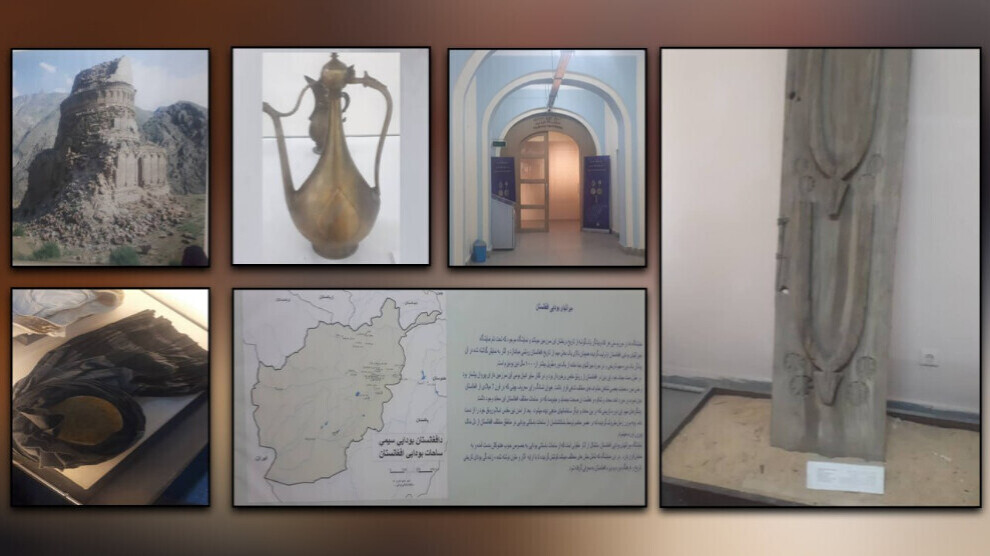
Kabul – The Afghan National Museum is known as one of the most prominent cultural and historical institutions in the country and has played a pivotal role in preserving Afghanistan's civilizational identity. The museum houses archaeological treasures reflecting a history spanning thousands of years, from the civilizations of Bactria, the Kushans, the Greeks, and the Sassanids, up to Buddhism and Islam.
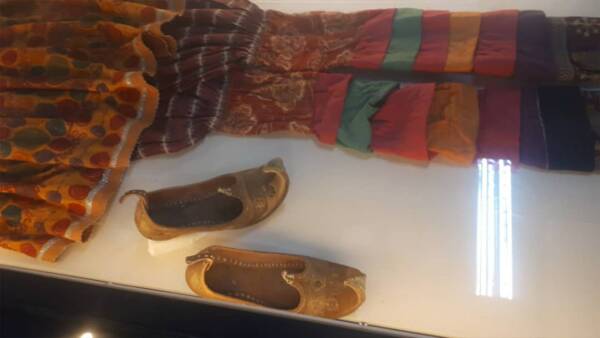
The museum was founded in 1907 during the reign of King Amanullah Khan, where artifacts were initially displayed in the Bagh-e Bala Palace before being moved to the current building in Darul Aman, Kabul. The goal of its establishment was to collect, preserve, and display archaeological discoveries from various parts of the country. During the period between 1941 and 1961, the museum became one of the most important museums in the region, with extensive excavations carried out by local and foreign archaeologists, resulting in the addition of precious artifacts such as statues, coins, pottery, jewelry, and manuscripts. Among its most notable holdings are the artifacts from "Tillya Tepe," Buddhist statues, Greco-Bactrian coins, and discoveries from "Ai-Khanum."
However, with the outbreak of civil war in 1991, the museum entered a dark phase in its history. Kabul turned into a battlefield, and the museum building was repeatedly bombed, while thousands of artifacts were looted or sold on international smuggling markets. Some armed groups, with no awareness of the value of these treasures, smashed display cases and used artifacts as a source of war funding, inflicting irreparable damage on Afghanistan's cultural heritage.
Parts of the building were also destroyed, many artifacts were lost under rubble or damaged, and all records and scientific archives were completely lost, marking one of the most tragic chapters in the history of Afghan culture.
After the Taliban movement seized power in 1997, it was hoped that the National Museum would be spared further destruction. However, the first era of their rule was catastrophic for it. They dealt with artistic and historical artifacts from an extremist perspective, labeling them as "idols" and considering them "haram" (forbidden), believing that preserving them contradicted their beliefs.
In 1999 and 2000, the Taliban issued orders for the widespread destruction of non-Islamic statues and artifacts. They deliberately destroyed dozens of artifacts inside the museum, while its staff were dismissed or faced serious threats, forcing many experts to leave the country. Scientific activities came to a complete halt. Coinciding with the destruction of the Buddha statues in Bamiyan, the Afghan National Museum was also a victim of that crime, as part of the country's historical memory was intentionally erased.
With the fall of the first Taliban regime in 2001, efforts began to revive the museum. The new government cooperated with international institutions to rebuild the structure and recover some of the looted artifacts. Although some pieces were returned thanks to the efforts of UNESCO and foreign countries, a large part of the museum's treasures was lost forever.
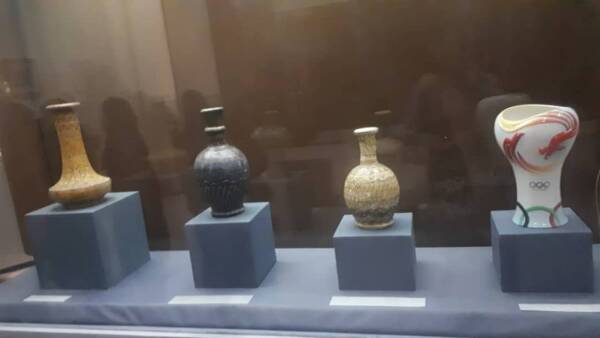
Today, the Afghan National Museum stands as a witness to pain, resistance, and hope; an institution that, despite the destruction, strives to remain the guardian of the country's history and civilization. Its story shows that war and extremism not only kill people but also erase the cultural and historical memory of nations. Protecting this museum is, in essence, protecting the national identity of the Afghan people—an identity that has resisted looting and destruction and still needs the awareness and support of present and future generations.
And as is the case with most historical sites closed to Afghan women, the museum is also on that list. Ironically, non-Afghan women are allowed to enter as tourists and visitors, while Afghan women are deprived of this natural right.