
Sudan Faces a Worsening Humanitarian Catastrophe Amid Escalating Bombardment and Displacement
The conflict in Sudan intensifies as famine, disease, and poverty spread, while calls grow for safe aid corridors and millions hope for an end.
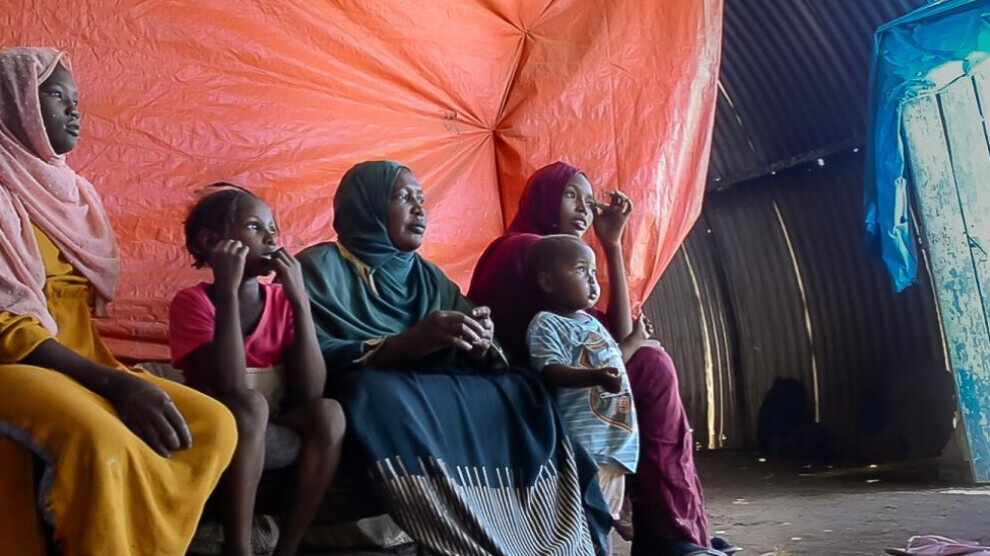
News Center — The humanitarian situation in Sudan is deteriorating dangerously as fighting expands between the Sudanese army and the Rapid Support Forces. Airstrikes using drones continue across the states of Kordofan, Darfur, and Blue Nile, triggering massive waves of displacement and prompting UN warnings of a total collapse threatening millions of civilians.
The United Nations Office for the Coordination of Humanitarian Affairs (OCHA) reported yesterday, Thursday, February 12, that more than 115,000 people have been displaced from Kordofan since last October due to escalating attacks. Airstrikes targeted public and humanitarian facilities, including a World Food Programme warehouse in Kadugli and a primary school in Dilling. A strike in the city of Al-Rahad also killed two children and injured 13 others inside a mosque.
Humanitarian organizations confirmed that displaced people face risks of killing, arrest, and extortion while attempting to flee, with some roads turning into armed ambush points. Severe shortages of food and water persist. International estimates indicate that around 13 million people have been displaced internally or across borders since the outbreak of the conflict in April 2023.
The World Health Organization also warned of attacks on health facilities in South Kordofan, increasing pressure on an already fragile health system. Millions suffer from shortages of food, medicine, and clean water. In displacement camps, fires have left hundreds of families homeless, while aid efforts remain insufficient to meet basic needs.
International Calls to Halt Escalation
The Quintet Committee on Sudan — comprising the United Nations, the African Union, the Arab League, the European Union, and IGAD — called for a humanitarian truce and an immediate cessation of hostilities, stressing the need to protect civilians and create conditions for inclusive political dialogue.
In Addis Ababa, the African Union Peace and Security Council refrained from lifting Sudan’s suspension from the Union, despite efforts by Egypt and Algeria to support such a move. The Council expressed deep concern over the ongoing conflict and worsening famine, particularly in El Fasher. It condemned violations against civilians and held the Rapid Support Forces responsible for killings, displacement, and ethnically targeted attacks