
Security and Ideological Challenges After Jihadists Take Control of ISIS Prisons
The extremist ideology embodied by ISIS may spread again in the region, as this ideology is not limited to the group’s physical presence but also includes the ideas promoted by these organizations.
ROCHELLE JUNIOR
As-Suwayda — After jihadists from Hayat Tahrir al-Sham took control of several areas in northeastern Syria, including prisons that were previously under the supervision of the Syrian Democratic Forces (SDF), new concerns have emerged regarding the security situation in the region.
These prisons housed large numbers of ISIS militants and their families and were under international monitoring by the SDF, which is supported by the international community. With the release of many ISIS detainees from these prisons by Hayat Tahrir al-Sham jihadists, fears are growing about the impact of this development on regional security, particularly for several communities in Syria and Iraq, as well as neighboring countries such as Turkey, Jordan, and Lebanon.
“ISIS Is a Continuing Threat”
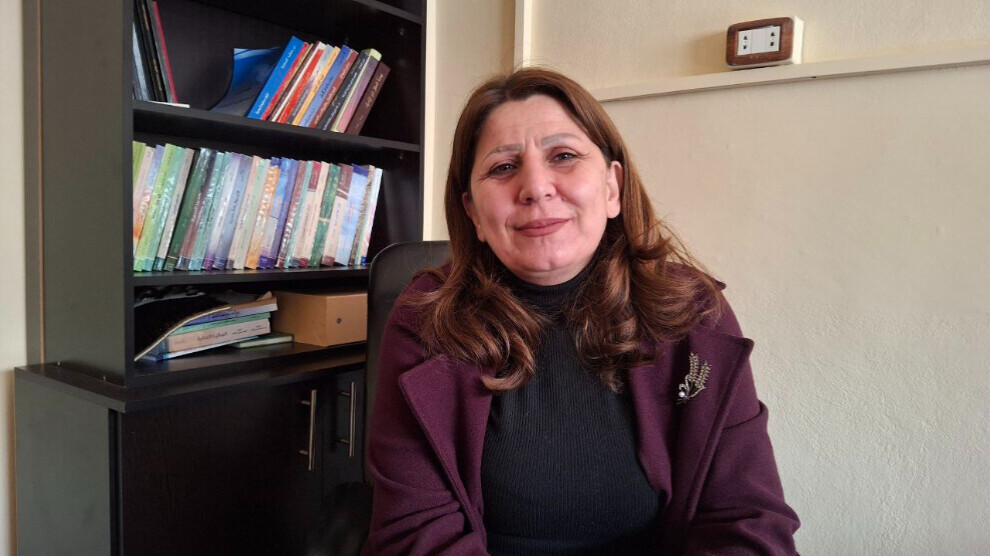
Lawyer Rudeina Al-Khatib from the city of As-Suwayda in southern Syria stated that “ISIS represents an independent entity in the region, having declared itself a caliphate in 2014. In 2015, the United Nations recognized it as a terrorist organization through a Security Council resolution, and in 2017 the Council issued another resolution under Chapter VII calling on states to repatriate their foreign nationals who joined the organization in camps, prosecute them, and reintegrate them into their original societies. Despite this resolution, many states failed to implement it properly, leading to the accumulation of legal and humanitarian problems related to the fate of these individuals.”
Camps and Prisons Between Legal Handling and International Negligence
Camps such as Al-Hol and Roj include thousands of families and fighters of various nationalities, including women and children who were part of the terrorist organization ISIS. Al-Khatib believes that “although these camps were under SDF supervision, the legal handling of the residents’ situations was largely absent. Despite international efforts to open a legal pathway for repatriating these individuals to their home countries and prosecuting them, many states revoked their citizenship, rendering them stateless and further complicating the situation.”
Security Repercussions
She noted that in recent days, with the escalation of conflict in Syria, Hayat Tahrir al-Sham has taken control of some prisons that were previously monitored by the SDF. The group released many ISIS detainees, raising serious concerns about the security repercussions for the region.
Reports indicate that mass prison escapes have resulted in the re-recruitment of some detainees by extremist organizations, while others were transferred to Iraq.
With Hayat Tahrir al-Sham’s control over these prisons, the situation appears even more complex, Al-Khatib emphasized, as the region is witnessing an active return of extremist ideology that may reorganize its ranks and intensify terrorist activities. “The presence of an environment supportive of takfiri ideology in areas previously controlled by ISIS reinforces fears of the return of terrorist operations in Syria and Iraq, and even in neighboring countries.”
Trump’s Statements Are Unrealistic
Al-Khatib referred to a previous statement by former U.S. President Donald Trump regarding support for the SDF, in which he said: “We supported the SDF to help us fight ISIS, but ISIS no longer poses a threat today.” She considered these statements to raise questions about the United States’ stance on recent developments in the region. Although ISIS has lost its physical presence in some areas, ISIS ideology still poses a real threat, especially with the rise of extremism in the camps, where children are raised in an extremist environment.
Fear of the Spread of Extremist Ideology
One of the greatest fears is that the extremist ideology embodied by ISIS may spread again in the region. “This ideology is not limited to the organization’s existence but also includes the ideas promoted by these groups. Children who grow up in an extremist environment may easily join terrorist organizations in the future, posing a long-term threat to regional and international security.”
Al-Khatib concluded by emphasizing that ISIS is more than just a material entity: “They represent an idea and a principle in dealing with life. These takfiri ideas not only destroy societies but also fragment the region into new groupings dominated by fear and extremism. In addition, the sectarian political environment in Syria and Iraq, along with tensions between sects and religions, may contribute to the spread of these ideas in the region