
Morocco mothers of Rif detainees: Years of waiting and renewed demands for their son’s return
İn Morocco, demands by families of Rif protest detainees for the release of their sons continue after years of detention, amid new solidarity rights movements.
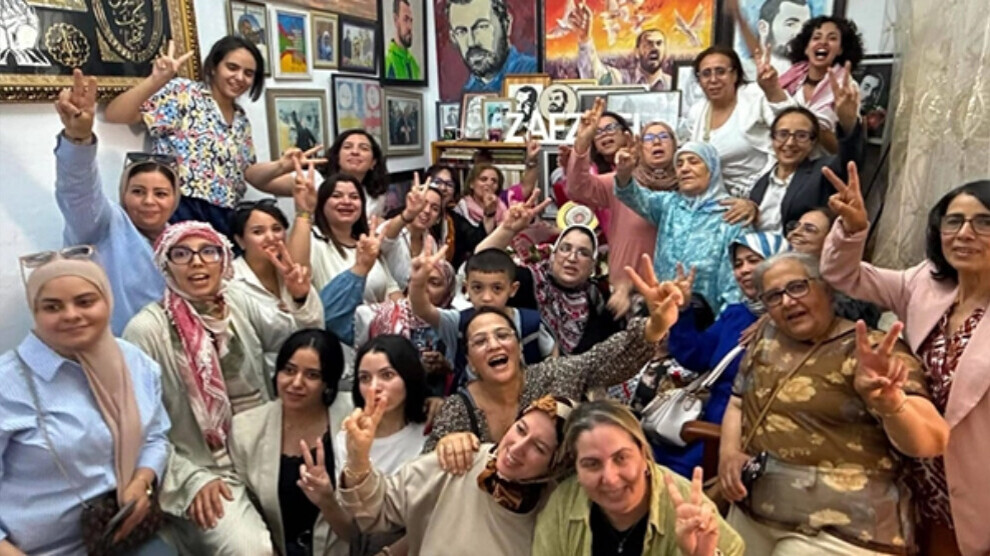
Morocco – Years after the arrests that followed the Moroccan Rif protests, mothers of several detainees continue to demand the return of their sons to their homes, refusing to let the long waiting turn into a permanent reality.
In a new expression of solidarity with them, the city of Al Hoceima in northern Morocco received, yesterday, Saturday, June 6, a women's caravan comprising human rights activists and civil society activists from various Moroccan cities.
The initiative came to support the families of Rif protest detainees, especially the mothers who have endured psychological and social burdens over the past years accompanying the absence of their sons.
The participants believe that this visit represents a message that the families are not alone in facing the effects of detention, and that their demands still resonate with activists and human rights defenders from different regions of Morocco.
During meetings that brought together the participants with the families of the detainees, the suffering of the mothers emerged as one of the most prominent human aspects of this issue. For many of them, detention was not a passing event but a continuous experience of waiting, anticipation, traveling for visits, and following up on developments related to their sons.
In a speech delivered by lawyer Souad Barahma, she affirmed that the caravan came to express solidarity with the mothers and families and to convey a message that they are not alone in this suffering. She said that the mothers are raising a simple and clear demand: to see their sons by their side once again, adding that they say: "Enough of suffering. We want our sons with us. We want them to live among us."
She considered that the continued exclusion of detainees from various possibilities of release or pardon increases the suffering of families, affirming that the mothers are still waiting for the return of their sons to the arms of their families after years of absence.
The participants in the caravan say that the women of the Rif played pivotal roles since the protests began in 2016, not only through their participation in the movement but also by continuing to defend the detainees after arrests and court rulings. Over time, many mothers, wives, and sisters turned into prominent voices advocating for the cause and demanding justice.
The human rights activists believe that the feminist solidarity embodied by the caravan goes beyond the symbolic dimension, reflecting a women's support network that has formed around the mothers' suffering, striving to keep the issue present in public debate and prevent it from being buried or forgotten over the years.
The Rif protests date back to 2016, when the region witnessed widespread social protests demanding improved economic conditions and public services. Those protests were followed by arrests and trials that targeted a number of activists, while families and human rights bodies continue to demand the release of those still in detention.
For the mothers who gathered in Al Hoceima during this initiative, the issue is not merely a legal or political file but rather the waiting for the day when their sons return to their homes, and the years of absence and suffering that have left their mark on entire families come to an end.