
Displaced Residents of Kri Sipi in Kobani Between Hope of Return and Reality of Siege
Tragic Conditions Faced by Displaced People in Kobani Amid Ongoing Tight Siege Imposed by the Syrian Interim Government
SILVA AL-IBRAHIM
Kobani – Displaced women from Kri Sipi/Tel Abyad living in Kobani, who have been forced to flee multiple times over the past 14 years, are demanding a safe return to their city, with their dignity and rights preserved.
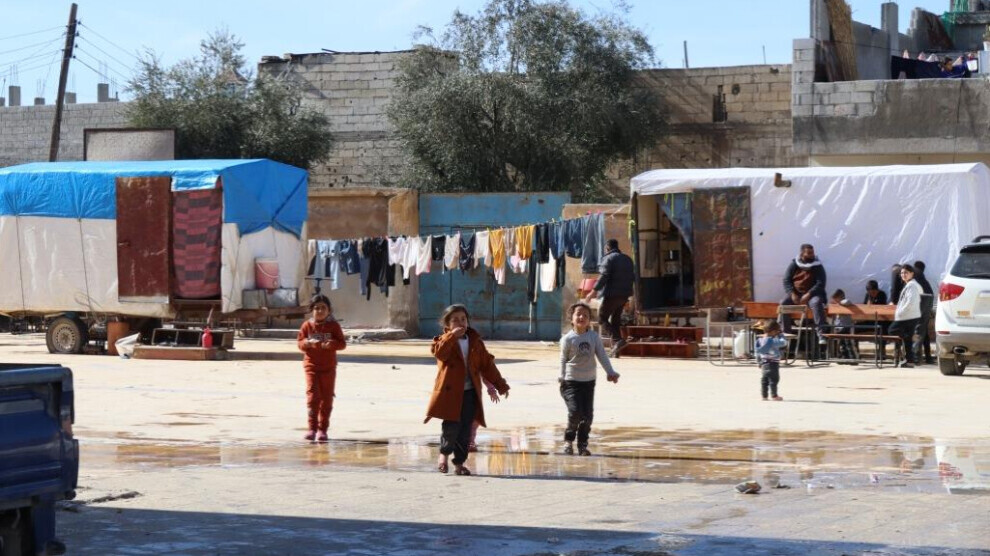
Tel Abyad/Kri Sipi was subjected to attacks in 2014 and again in 2019 by Turkish occupation forces and their mercenaries. Since then, its residents have experienced successive waves of displacement under tragic conditions. Their most recent displacement has brought them to the city of Kobani, which is currently under a tight siege.
Currently, most of the displaced are living in schools. Our agency met several women during a visit to one of the schools in the city. Their main demand was a safe return to their hometown.
“We are tired of displacement”
Fatima Shukri Othman, who has been displaced more than three times, said:
“During the Turkish occupation of Kri Sipi in 2019, we fled to Raqqa, then we went to Tal Semen Camp. Recent attacks by Hay’at Tahrir al-Sham jihadists in northern and eastern Syria forced us to flee again, this time to Kobani.” She pointed out that, “Each time we are displaced, we leave behind our homes to be destroyed and looted, even the tents that sheltered us were stolen.”
She did not carry anything from her tent except a photo of her son, who lost his life defending his land from ISIS and the Turkish occupation, along with her hope of returning to her city. “I didn’t even bring our personal documents, which prevented us from receiving aid from organizations, because they could not verify that we were displaced. Violent attacks forced us to leave without taking anything with us,” she added, noting the lack of water, electricity, and heating supplies, which worsened their suffering. “We are living in schools without even the basic necessities of life.”
However, she did not appeal to humanitarian or relief organizations for food aid but demanded a safe return to her city. “We are tired of displacement. We spent our lives moving from one place to another. We want a decent life on our own land.”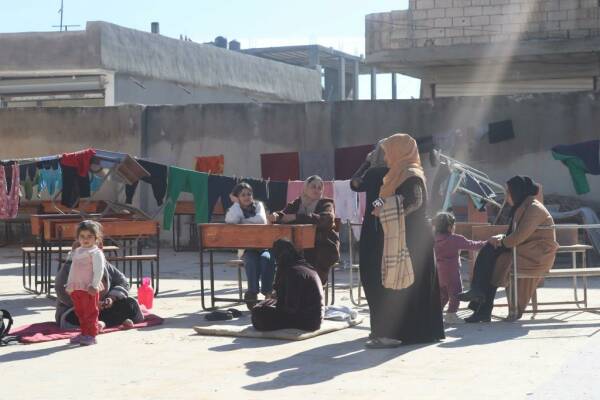
“We want to live with our identity, culture, and language”
Delishan Ibrahim Muhiddin, who has been displaced five times over 14 years, said with a choked voice and tears:
“We spent our lives between tents and displacement routes. Every time we build a home and start a new life, we are forced, under the pressure of attacks, to leave everything behind.”
She added, “We face a daily struggle for survival under the current conditions inside the schools, without access to basic life necessities,” and could not hold back her tears. “After all these sacrifices and the hardships we endured, we want our rights to live a decent life with our identity, culture, and language. We refuse to live as slaves after all this suffering. No one has any favor over us; we have paid the price for 14 years, and our rights are the result of our struggle, not charity given by anyone.”
She emphasized, “We want a return in which our dignity and rights are preserved, not a humiliating return, because we deserve that our sacrifices culminate in a victory worthy of us.”
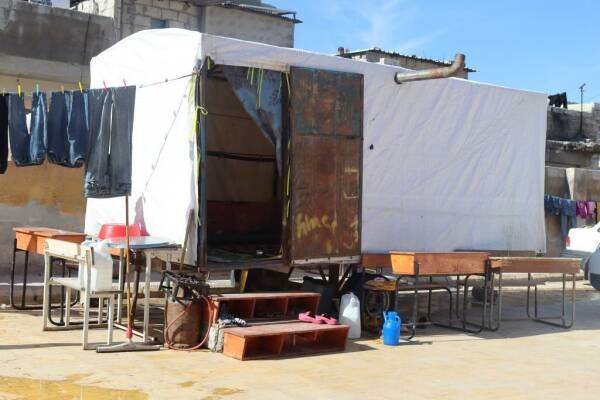
Meanwhile, Khadija Korhesi said: “We fled with our lives from oppression and mercenary attacks. Since leaving our city, we have not tasted peace.” Like her peers, she has been displaced multiple times during the war. “In the absence of electricity, water, and running out of gas, we live a tragic reality imposed by the war and siege,” she demanded a way to “end this tragedy and return to our homes through peaceful means, while ensuring our rights