
650,000 Refugees in South Sudan at Risk of Losing Food Aid
More than 650,000 refugees in South Sudan face the risk of comlete deprivation of remaining food rations by September,threatening to push thousands fleeing toward the raging conflict in Sudan in search of food.
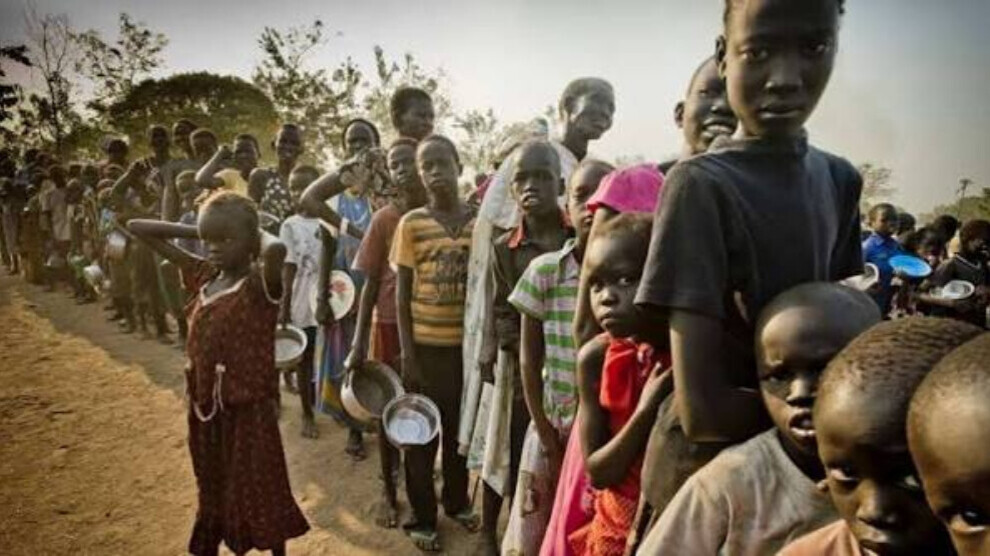
News Center_The humanitarian catastrophe in displacement camps in South Sudan is escalating,as famine threatens the lives of hunderds of thoudands amid a severe shortage of aid deteriorating security conditions.
The United Nations has warned that more than 650,000 refugees and asylum seekers in South Sudan are at risk of losing food aid within weeks due to funding shortfalls,which may force some to return to conflict-ridden Sudan in search of assistance.
The World Food Programme and the UN High commissioner for Refugees reported that South Sudan is facing one of the worst hunger crises in the world,with more than 7.8million people_over half the country's population_suffering from acute food insecurity,and 2.2 million children suffering from acute malnutrition.
According to the UN,South Sudan receives approximately 3,000 refugees and returnees weekly from neighboring Sudan,Whose 2023 conflict has created one of the world's largest displacement crises amid mass killings,rape,and starvation.
The World Food Programme and UNHCR noted that the final distributions of food aid to the most vulnerable refugees in South Sudan_240,000 refugees out of the 650,000 who perviousy received food support across the country_wil take place in September unless nes funding is urgently secured.
These represent the last refugee familites still receiving food assistance,though rations have already been halved after the WFP was forced to gradually refuce support due to funding shortages.
These developments place hundreds of thousands of the displaced between confronting the specter of famine inside South Sudan's crisis-overwhelmed camps, or risking reverse return to the flames of conflict. With the continued flow of those fleeing, urgent international action and humanitarian funding remain the only way to prevent a dual humanitarian catastrophe whose sparks would transcend the borders of both countries.