
1000 Days of tragedy: Sudan between the memory of conflict and the will for peace
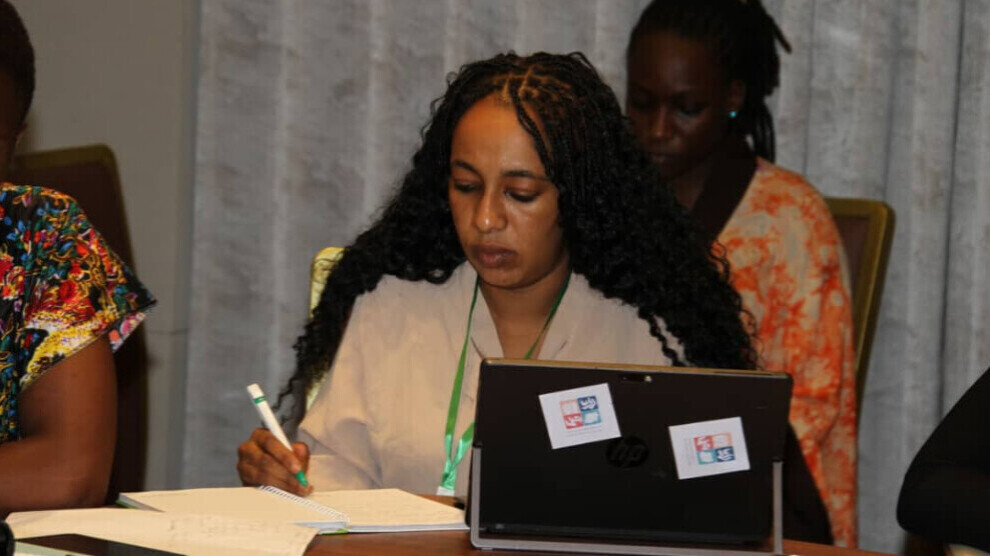
An article by Mariam Hamed, Executive Director of the "Kayan" organization
The conflict in Sudan, which erupted on the morning of April 15, 2023, has now reached a thousand days of relentless destruction, with no clear end in sight or any reduction in its atrocities and violations against civilians. A thousand days have passed, weighing heavily on the Sudanese people, bringing with them death, displacement, hunger, and the complete collapse of the foundations of life, in one of the worst humanitarian crises in the country's modern history. War has become a daily reality that devours people's lives, with no serious political will on the horizon to stop the bloodshed or prioritize human life.
Nevertheless, our responsibility as Sudanese compels us not to let the days pass without a clear stance and a collective determination to stop this accursed war by all possible peaceful societal means, beginning with a cessation of hostilities, and then ensuring the delivery of aid to civilians trapped under the crossfire.
To emerge from this ordeal, Sudan must undergo a serious and comprehensive review that goes beyond just the historical trajectory of the policies that led to the war, but includes a redefinition of politics itself.
What are its goals?
Whom does it serve?
And how is it implemented on the ground?
The impact of 1,000 days of war on Sudanese women! While the war has affected everyone, women have paid the heaviest price. A thousand days of accumulated suffering, during which women faced displacement, food insecurity, lack of healthcare, and the burden of supporting their families amidst a complete collapse of services. In conflict zones, women suffered from food and water scarcity, the absence of healthcare, and the daily consequences of war in an unsafe environment.
In asylum countries such as Egypt, Chad, Uganda, and Libya, stories of suffering were repeated. Women and children faced harsh conditions, some crossing deserts in search of survival, while others lost their lives fleeing the war. The scale of the humanitarian catastrophe, which is worsening as the war continues, is reflected by children suffering from malnutrition, both inside Sudan and in refugee camps.
The continuation of the conflict only means an increase in suffering, deepening the crises, and increasing the burdens placed on women, who bear the responsibility for survival, protection, and care in the darkest of circumstances.
From Memory to Action: Towards a Just Peace
Any discussion about Sudan's future cannot be serious without prioritizing the issues of the most vulnerable groups, especially women, children, people with disabilities, and the sick, particularly those with chronic illnesses. True peace cannot be built while the pain is being ignored, nor on reproducing the same narratives that have failed to save the country.
We need a national memory that learns from the past, not to glorify suffering, but to prevent its recurrence. We need a new discourse that transcends the logic of action and reaction, and stems from our shared humanity and the belief that war is not inevitable, and that peace is a choice we must create and defend.
The peace we aspire to is a just, tolerant, and sustainable peace—a peace that places women at the heart of its creation, not on its margins. Women are not only victims of war, but also peacemakers, custodians of memory, and capable of building a different future.
After a thousand days of tragedy, the question remains open to us all: Will we be content with merely recounting the pain, or will we have the courage to work together, embrace mutual acceptance, and build a nation worthy of the Sudanese people? Sudan deserves peace. And the women of Sudan deserve a life without war, a life of safety and dignity.