
Middle East conflict worsens global hunger crisis and UN warnings of humanitarian catastrophe
World Food Programmer warns escalating Middle East conflict is worsening global hunger crisis, with rising fuel and food prices, disrupted shipping routes, while Somalia, Afghanistan face acute food insecurity risks.
News Center- Amid escalating regional tensions and the widening scope of conflict in the Middle East, the World Food Programmer had affirmed that the continuation of geopolitical disruptions places the world before a worsening food crisis that may expand in the coming months.
The UN World Food Programmer warned today, Friday, June 5, that the widening scope of conflict in the Middle East exacerbates levels of hunger in the region and the world, with an unprecedented rise in fuel and transport costs, and a decline in the ability of relief agencies to deliver aid due to funding shortages.
It explained that the US-Israeli strikes on Iran in late February led to the outbreak of a regional conflict extending from the Gulf to Lebanon, causing the disruption of vital shipping routes, including the Strait of Hormuz, and forcing ships to change their courses. This disruption directly affected global energy flows and supply chains, sharply raising transport costs.
In March, the WFP had predicted that the number of people facing acute food insecurity would reach 45 million if oil prices remained at $100 per barrel until June. With prices remaining above this level since early March, the programme affirms that this scenario is already unfolding.
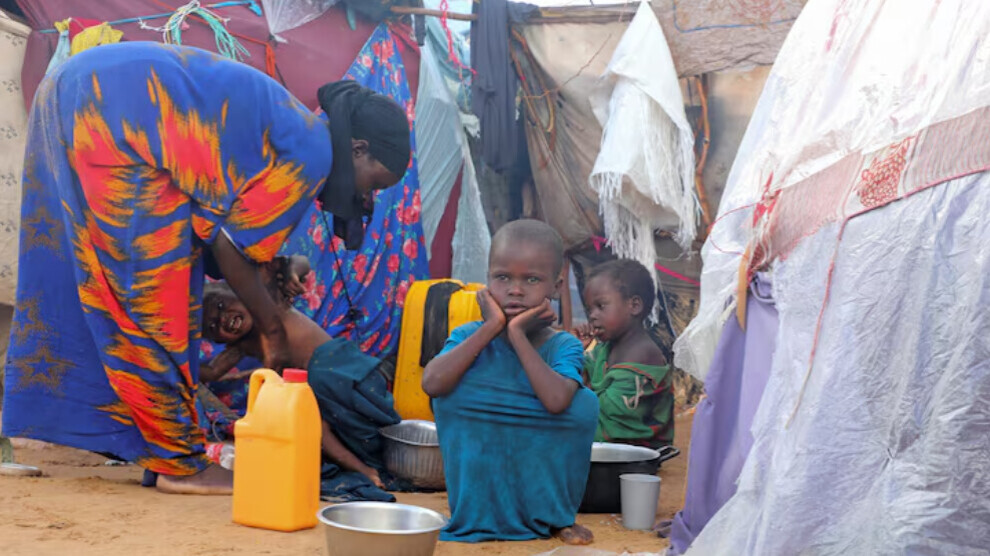
Countries such as Afghanistan, Somalia, and Sri Lanka are experiencing increasing pressures as a result of rising fuel and food prices, loss of income sources, and trade disruption. The WFP expects that in Somalia, 6.5 million people – about one‑third of the population – will face severe hunger during 2026, while 17.4 million people in Afghanistan may be affected by the crisis.
It also warns that the continuation of disruptions could push 2.5 million Somalis and 2.3 million Afghans to the brink of acute food insecurity, as both countries rely heavily on energy and food imports.
These developments come at a time when relief agencies face acute funding shortages. The WFP expects that the number of beneficiaries of its aid globally will decrease by about 1.5 million people during 2026, and the decline could reach 9 million if the crisis continues for an additional six months.