
War Paralyzes Global Relief and Pushes 45 Million Toward Hunger.
War in the Middle East disrupts global aid, halting vital food and medicine shimpents to millions, as hunger crises worsen in Afghanistan, Sudan, Yemen, and Somalia.
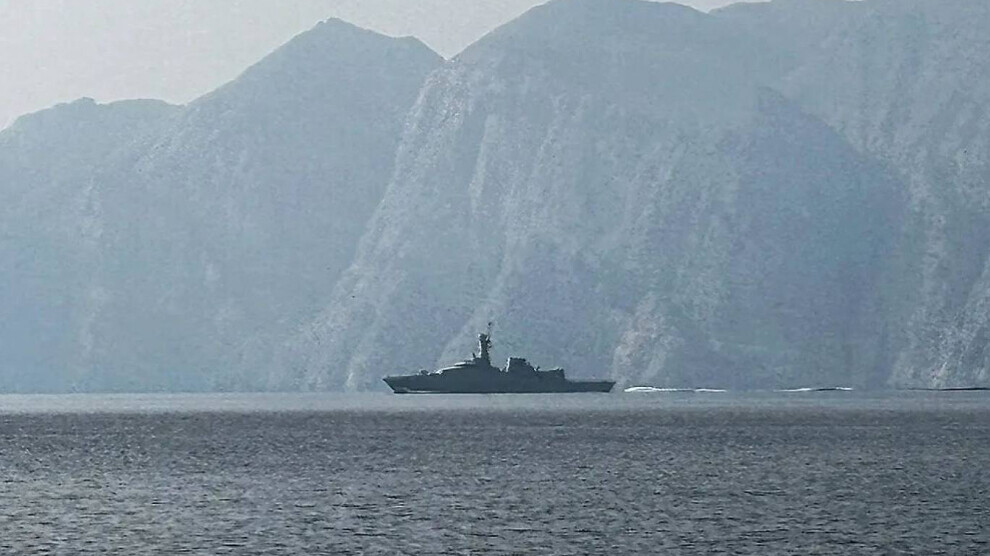
News Center – The recent closure of several vital maritime passages has exacerbated the humanitarian aid crisis worldwide, as shipping movements were disrupted and supplies destined for the most needy areas were slowed.
As the war in the Middle East enters its second month, its repercussions have extended to the global humanitarian aid sector, upon which hundreds of millions of the most vulnerable people depend. The disruption of supply chains has hindered the arrival of thousands of tons of food aid. The World Food Programme was unable to deliver 10,000 tons of aid designated for children in Afghanistan, and the World Health Organization also faced difficulties sending a shipment of medicine to Gaza.
International organizations rely heavily on Dubai as a major logistics hub; however, Iranian strikes targeting infrastructure in the UAE, along with the closure of the Strait of Hormuz, have paralyzed shipping movements. As a result, 70,000 tons of food supplies have been stranded on ships, forcing relief agencies to reroute via longer and more costly paths, such as going around the Cape of Good Hope.
The World Food Programme has warned that the continuation of the war could expose an additional 45 million people to the risk of acute hunger. In Afghanistan, thousands of tons of therapeutic food are piling up in warehouses in Dubai and Pakistan, while over 2,000 nutrition clinics are beginning to run out of supplies.
Other regions such as Sudan, Yemen, Lebanon, and Somalia are also being affected by rising transportation costs and supply shortages, threatening to worsen hunger and malnutrition crises, especially as critical agricultural seasons approach and fertilizer supplies from the Gulf diminish.
Humanitarian organizations warn that the global relief system is facing an "unprecedented storm" of compounding crises, at a time when its capacity to respond to growing needs is declining.