
Weak representation and the absence of legislative will hinder the enactment of women’s protection laws in Egypt.
Despite growing discourse on women’s status in Egypt,key laws affecting their lives remain struck in parliament.Hope persists the new session will finally approve these long-awaited legislations.
Asmaa Fathi
Cairo — Topping the list of stalled laws in the Egyptian Parliament awaiting resolution is the unified draft law against violence against women, along with amendments to the Personal Status Law. These are issues that affect broad segments of women and families but have remained for years trapped between parliamentary proposals and incomplete discussions.
Observers of legislative affairs believe one of the influential factors in the slow approval of these laws relates to the weak representation of women within Parliament, which may limit the ability of female MPs to push forward files that directly affect women within the legislative body.
Laws Awaiting Debate under the Dome of Parliament
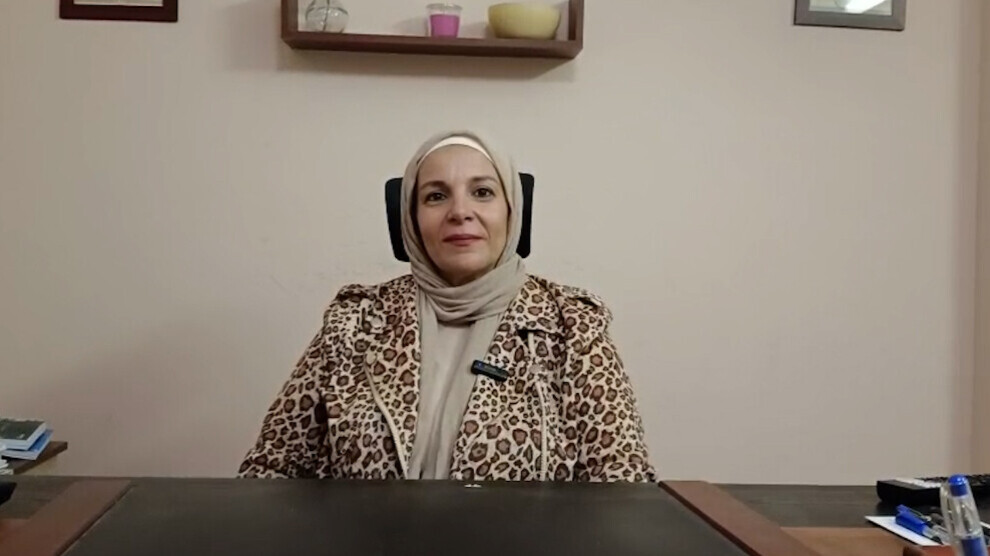
Lawyer before the Court of Cassation, Zainab Abu Talib, states that Parliament has an important opportunity to reopen old legislative files that affect women's lives, pointing out that these issues are not only about women but impact the structure of the family and society as a whole.
For several years, human rights organizations and legal experts have put forward legislative proposals aimed at enhancing the protection of women within the family and society. However, many of these proposals have not yet reached the stage of full parliamentary debate.
Zainab Abu Talib points out that the most prominent legislation proposed for years is the unified draft law against violence against women, a law that has been submitted more than once but has not yet reached the final debate stage within Parliament.
She explains that the law often receives a number of initial approvals but remains in need of collecting additional signatures from MPs to be included on the legislative agenda.
She adds that the Personal Status Law, in turn, represents one of the important files, as a draft amendment was submitted some time ago, but it has not yet been widely discussed, either societally or parlamentarily, despite its direct impact on the lives of millions of families.
An Old Law Creating Contemporary Problems
The issue of guardianship over minors' assets is one of the issues sparking wide debate among legal professionals, especially given the continued application of old legal texts dating back to the beginning of the last century.
Among the most controversial issues is the matter of guardianship over minors' assets, a case reflecting legislative complexities extending for many decades.
According to the current law, guardianship over raising children and their daily affairs transfers to the mother after the father's death, while the management of the minors' assets goes to the paternal grandfather, unless a legal impediment exists.
Zainab Abu Talib sees that this situation creates significant practical problems, especially in light of social changes, as the mother is often more capable of managing and preserving her children's assets, whereas the grandfather might be elderly or unable to follow up on this responsibility.
She points out that the law regulating this matter dates back nearly a century and has not seen substantial amendments despite the major social transformations society has witnessed.
Domestic Violence and Existing Legislative Gaps
Domestic violence represents one of the most prominent legal and social challenges related to protecting women, especially with the existence of legislative texts that allow the use of the so-called "right of discipline" as a mitigating circumstance in some cases.
Regarding cases of violence against women, Zainab Abu Talib believes that one of the fundamental legal problems lies in the continued application of legislative texts permitting the use of the so-called "right of discipline" as a mitigating circumstance.
She explains that these texts might be invoked in cases of battery and violence within the family, whether between spouses or between parents and children, which could lessen the punishment in some instances. She adds that this legal loophole is sometimes used widely to justify violent practices that may amount to torture or grievous harm, necessitating a reconsideration of these legislative texts.
Zainab Abu Talib argues that what is required is not just canceling this mitigating circumstance, but rather reformulating the laws so that domestic violence crimes become an aggravating circumstance for the penalty, given that they occur within a framework supposed to be based on protection and care.
Women's Representation in Parliament and Its Impact on Legislation
The path of legislation related to women is largely linked to the extent of their representation within Parliament, as observers believe that increasing the number of female MPs could contribute to pushing these files to the forefront of legislative debate.
However, the current reality, according to Zainab Abu Talib, indicates that weak female representation may limit the ability of women MPs to pass certain laws or gather the necessary signatures to bring them up for discussion. She notes that female MPs might face difficulties in collecting the required signatures to propose some laws, especially if these laws do not receive broad support within the assembly.
She adds that increasing women's representation in Parliament could help enhance the chances of passing legislation related to women's issues, especially if accompanied by broader societal support for these files.
Media and Societal Awareness... A Pressure Force to Move Legislation
The process of developing legislation is not limited to parliamentary work alone; media and societal awareness play an important role in driving public debate on legal and social issues.
Often, media spotlight on a specific issue creates societal pressure that prompts relevant institutions to act.
Zainab Abu Talib believes that the media has a significant role in stimulating public debate on legislative issues, pointing out that highlighting certain files can push relevant institutions to take reformative steps.
She explains that addressing social issues in dramatic works or media coverage may sometimes contribute to accelerating procedures or reconsidering certain legal practices. She adds that increasing societal awareness of women's issues and legal rights can create positive pressure on legislative institutions to move towards legal reforms more responsive to society's needs.
Amidst these challenges, the future of legislation concerning women remains linked to a set of interrelated factors, including political will, parliamentary representation, and the level of societal awareness regarding issues related to family and social rights.
While these laws await their turn on the legislative agenda, legal experts believe that opening a public debate about them could be an essential step towards updating the legal system in line with social transformations and enhancing the protection of women within the family and society.