
Megan Bodette: A New Syria Cannot Be Built Without Recognizing Pluralism
According to Megan Bodette, Rojava's upcoming phase will test Syria's recognition of pluralism, with integration success depending on comprehensive justice and women's genuine participation.
SHORKEL SHEIKHO
Qamishlo — Since the launch of the Rojava revolution in the context of the transformations the region witnessed with the beginnings of the Arab Spring uprisings, the political and social experience in Rojava has entered a critical phase imposed by the rapid developments in Syria, particularly the arrival of the jihadists of Hay'at Tahrir al-Sham to power, and the field and political changes that followed the attacks on areas of northern and eastern Syria.
With the commencement of the integration process between the Syrian Democratic Forces (SDF) and the interim Syrian government, fundamental questions arise regarding the future of the gains of this experience, the role of women in the next phase, the status of Kurdish national and cultural rights, as well as the prospects for building a political model based on pluralism and partnership.
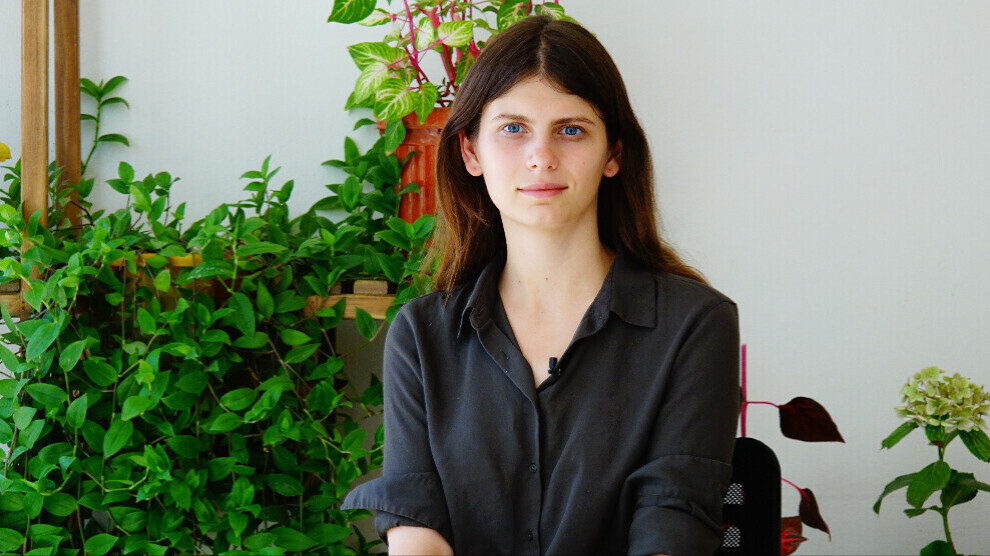
In this context, our agency conducted an interview with Megan Bodette, Director of Research at the Kurdish Peace Institute, to discuss the current reality of the Rojava revolution, the challenges of the transitional phase, the future of women's participation, and the path of negotiations and integration, as well as what is required to preserve gains and enhance stability in Syria.
The Rojava revolution is entering a new phase of particular importance for women. As a researcher following its trajectory, how do you assess the revolution's reality today? What are its most prominent strengths and challenges, and what needs to be reviewed?
There is a possibility that some gains of the women's revolution in Rojava may not receive official recognition within the integration path, most notably the system of co-presidency, equal participation between women and men, women's self-administration, and the Women's Protection Units (YPJ).
Despite the Syrian government's announcement of its rejection of these gains, the experience of the Kurdish women's freedom movement confirms that women are capable of preserving their achievements and continuing their struggle even in the absence of official recognition. This is evident in positions rejecting the integration of the YPJ into the Ministry of Defense, as well as the exclusion of some experienced and competent women from leadership positions in favor of less experienced men.
Conversely, the transformations achieved cannot be ignored; women have reached important administrative and political positions, such as the administration of the Qamishlo region and the co-presidency of the Kobani municipality—a step unprecedented in modern Syrian history for Kurdish women.
However, the essence of the issue is not solely related to women's representation in positions, but to ensuring recognition of their rights and full participation in political, legal, security, and social life. Through my meetings with women's organizations in Rojava, the importance of continuing to work to protect these rights and enhance women's presence has emerged.
I also believe it is necessary for Kurdish women, alongside the Autonomous Administration and Kurdish diplomatic institutions in Europe and America, to make women's issues a central focus in their relations and diplomatic movements, because the future of these gains is linked to the ability to establish women's rights as part of any forthcoming political process.
In Middle Eastern countries, women are often marginalized during peace phases after decades of struggle, and Syria is no exception. What are the reasons for their absence from negotiating tables, and what are the most prominent risks facing women?
This is not only a Syrian problem but a global issue; studies and experiences have proven that women's participation in diplomatic peace negotiations enhances the chances of success and sustainability of agreements. Therefore, excluding women from political and diplomatic processes not only diminishes their rights but also affects the effectiveness of the peace paths themselves.
The mindset that excludes women from decision-making positions remains present in many societies, marginalizing their expertise and political roles. Hence, confronting this approach is an essential part of women's struggle and efforts to build more inclusive peace.
In Rojava, despite women's participation in negotiations with Damascus and international powers, many demands related to freedom and peace have not been fully realized. However, women's participation in this process remains a crucial factor; the stronger their presence in negotiation and decision-making paths, the greater the chances of reaching more just and stable solutions.
With the continuation of violations against women in Syria, including cases of abduction and forced detention, how do you assess these conditions? And can armed groups and those involved in these crimes be held accountable?
When examining the structure of the current transitional government, we find that some figures and armed groups accused of widespread violations during the war years, including crimes against women, Kurds, Yazidis, and Christians, still hold influential positions. Moreover, some current military leaders are subject to international sanctions on charges of war crimes.
This government emerged under a heavy legacy of violations, and therefore, some figures' attempts to present a more moderate image of themselves may be a positive step, but it is not sufficient on its own. Restoring trust domestically and internationally requires more than a change in rhetoric; it requires accountability for those involved in crimes, and preventing them from continuing to hold leadership positions within the army or state institutions.
Women's sense of security in Syria is directly linked to the seriousness of the accountability path. The absence of accountability will make Syrian women, from all backgrounds, unable to trust stability or feel that they are living in a safe environment.
Furthermore, women's representation in state institutions or appointing a woman to a ministerial position is not sufficient in itself, if it is not accompanied by a genuine change in political mentality and ensuring women's participation in various fields. Recognition of women's rights must be part of building the new state, not merely a formal step.
Among the fundamental challenges is that some armed groups linked to Turkey, which have been accused of committing violations against women and populations, continue to retain leadership roles. This raises serious questions about the ability of any transitional justice process to address all crimes without exception.
Although there are mechanisms for transitional justice in Syria, there are criticisms from Syrian and Kurdish civil organizations that the focus remains primarily on the crimes of the previous regime, while violations by other armed groups, including ISIS and Turkey-linked factions, do not receive sufficient attention.
If the Syrian government wishes to launch a genuine transitional justice path, it must ensure the inclusion of all victims and accountability for all perpetrators, while benefiting from the support of the international community, the United Nations, and civil society organizations. Justice that targets one party and ignores the crimes of others will not be genuine justice; it will be understood as a political or retaliatory tool.
What is the importance of recognizing Kurdish as an official language in Syria's multi-national and multi-ethnic society? What are the most prominent challenges hindering this, and where has the dialogue on this issue reached?
The right to language is a fundamental and legitimate right, as international agreements affirm the right of peoples to preserve their languages and cultural identities. From this perspective, the struggle for recognition of the Kurdish language has been one of the fundamental demands of the Kurdish people in Rojava, especially after decades of prohibition and restriction policies that the Kurdish language faced in various parts of Kurdistan, including during the Ba'ath rule in Syria.
After years of struggle, the Kurdish language today is present in various areas of life in Rojava, from education, universities, and academic work to political, administrative, and security institutions. Thus, it has become a fundamental language in the public life of the region's residents, as is the case in many multilingual societies worldwide.
Therefore, recognition of the Kurdish language by the Syrian state should not be merely a symbolic step, but recognition of an existing reality and a language used by an essential part of Syria's population. Moreover, adopting a multilingual system does not mean marginalizing Arabic, but allows all components to preserve their languages and coexist within a diverse cultural framework.
The linguistic reality in areas such as Qamishlo is a clear example of this diversity; Syriacs, Armenians, Arabs, and Kurds interact with one another, and many speak more than one language. This diversity represents a cultural wealth that should be protected, and it is among the principles on which the Autonomous Administration system and the social contract in the region are based.
Recognition of the Kurdish language is not only about language; it also reflects recognition of the cultural and political identity of the region's inhabitants.
To date, there is no clear legal framework guaranteeing official recognition of the Kurdish language and its status in education and public life. In countries with multiple peoples and languages, these rights are regulated through laws that ensure the protection and continuity of different languages.
Hence, issuing a clear and stable law recognizing Kurdish as an official language, and ensuring its use in education, administration, and public life alongside other languages, would be an important step toward protecting the rights of all components and enhancing stability and social cohesion in Syria.
Through your follow-up of the course of events in Rojava, how do you assess the current integration process? What opportunities are available for Kurds to preserve their gains and enhance their presence? And how should they move internationally?
The integration path in Rojava is passing through a phase that combines positive indicators and significant challenges. On the positive side, there is currently a state of relative stability, and the risks of war and ethnic cleansing that threatened the region at the beginning of the year have receded.
Residents remain attached to their lands, with the continued return of some displaced persons to areas such as Afrin, and the expected return of displaced persons to Serê Kaniyê. Kurdish participation in administrative institutions also continues, from Kobani to the Jazira, alongside military integration steps represented in the formation of brigades comprising fighters from the Syrian Democratic Forces (SDF) and the People's Protection Units (YPG).
However, on the other hand, deep political and intellectual challenges remain. The gap between the Syrian government's vision and the Autonomous Administration's vision has not yet been resolved, particularly regarding the form of the state and the nature of the governance system. Furthermore, the continued influence of extremist currents and chauvinistic legacy poses a challenge to building a system that recognizes pluralism.
Nevertheless, there are shared interests that can be built upon, foremost of which is achieving peace and stability in Syria. Recognition of linguistic and cultural pluralism does not weaken the state; rather, it can enhance its strength. Women's participation in military and political institutions also represents a positive factor in building a more balanced relationship between society and state institutions.
If the transitional government can adopt the principles of pluralism, equality, and recognition of the rights of all components, and integrate them within the state system, this would be a gain not only for Kurds but for Syria as a whole, and for regional stability as well.
At the international level, Kurdish diplomatic institutions and political parties abroad need to strengthen their movements to protect gains. This includes increased communication and political pressure in the United States and Europe, emphasizing that the success of the integration process is linked to respect for democracy, human rights, and pluralism.
The war years have proven that the central state model based on denying diversity has led to further conflict and instability. If Syria seeks to build a different future, it must move beyond these policies and recognize the rights of all its peoples.
In this context, the role of society remains important in protecting gains and defending rights. Demanding recognition of the Kurdish language and ensuring women's participation is part of this path. The continued societal pressure can help prevent regression on these rights.