
Between Gains and the Reality of Exclusion… Calls of Enhance Women’s Representation in Upcoming Elections
Moroccan activists urge practical steps to boost women’s parliamentary representation, affirming upcoming elections as a chance for parity and equal political participation.
RAJA KHEIRAT
Morocco_ Despite the progress Moroccan women have achieved in political participation over recent decades, their representation within parliament still does not exceed 24.3 percent, reflecting the persistence of the gap between legal and constitutional gains on the one hand and political reality on the other.
With the approach of the upcoming legislative and communal elections scheduled for September, demands from the women's movement are escalating for practical steps to ensure a stronger presence for women in elected institutions and decision-making positions.
Women's rights activists affirm that Moroccan women possess the competence to manage public affairs and defend social, developmental, and human rights issues, which necessitates translating this presence into fairer and more equitable political representation.
Enhancing Women's Presence in Decision-Making Centers
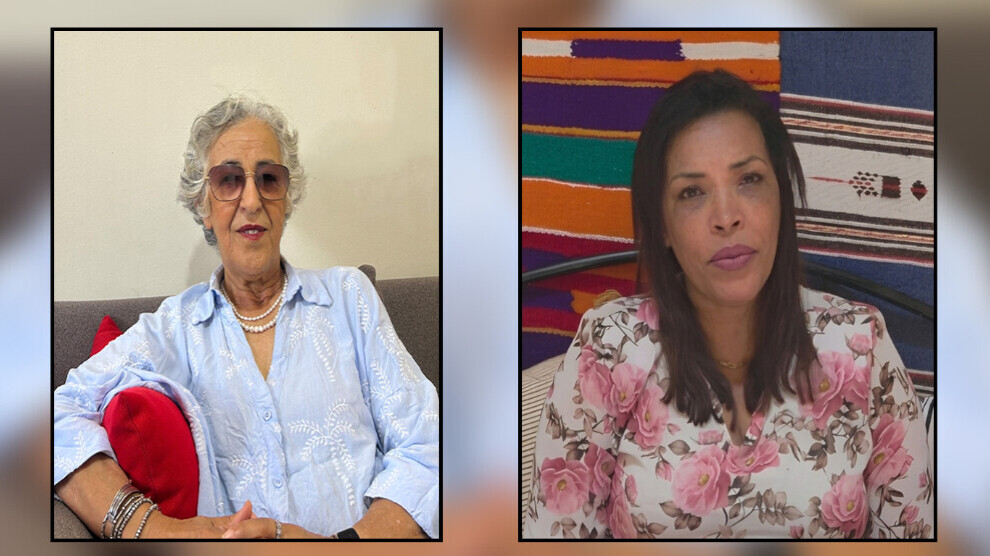
In this context, human rights activist Saadia Al-Bahi stated that Morocco is currently witnessing intensive political activity in preparation for the upcoming elections. However, available indicators so far reveal the continued dominance of men on electoral lists, with men's names topping most announced candidacies across various districts.
She explained that this reality raises many questions regarding the extent to which constitutional provisions, electoral laws, and international agreements ratified by Morocco are being respected, especially in light of the transformations Moroccan society has undergone and the progress women have achieved in various economic, administrative, and political fields.
She added: "Women continue to face multiple obstacles that limit their access to positions of responsibility, including the marginalization and exclusion of women's competencies from high-opportunity electoral districts, while being pushed toward what are known as 'death districts' where chances of winning parliamentary seats are lower."
She affirmed that "the women's movement and democratic and human rights forces are today raising fundamental questions about the extent of political parties' commitment to applying the principles of equality and equal opportunities," criticizing some parties' reliance on favoritism and the selection of women connected through personal or family ties to centers of influence, rather than giving opportunities to female competencies who have accumulated important field and political experiences.
Saadia Al-Bahi questioned the fate of women who have played active roles in civil society and various institutions, affirming that their continued exclusion contradicts the principles of democracy, social justice, and equality enshrined in the constitution.
She also pointed out that the women's movement, which struggled for the adoption of the quota system and positive discrimination, is waging a new battle to achieve actual parity, noting that the constitutionally mandated Authority for Parity and Combating All Forms of Discrimination has not yet seen the light of day, raising questions about the seriousness of activating mechanisms to protect women's rights and guarantee their political participation.
She stressed that women play a pivotal role in building society and bearing economic and social burdens within families, which requires enabling them to contribute effectively to shaping public policies and formulating major decisions on an equal footing with men.
In conclusion, she called for opening a serious national debate on ways to enhance women's political participation and to put an end to manifestations of exclusion, marginalization, and political violence that limit their access to decision-making positions.
Upcoming Elections: An Opportunity to Strengthen Parity
For her part, human rights activist and President of the "Free Hands" Association, Laila Amili, affirmed that the upcoming legislative and communal elections should constitute a fundamental milestone for consolidating democracy and activating the principle of parity, not merely an occasion to renew elected institutions.
She explained that "Morocco has made notable progress in women's representation within parliament, with the number of female parliamentarians rising from only two deputies in 1994 to 96 deputies currently. However, these gains are still far from achieving the parity stipulated in the 2011 constitution, particularly Articles 19 and 164."
She added that the women's movement had hoped to build on the gains achieved through the quota system to move to a new stage with higher women's representation in elected institutions, noting that many female parliamentarians aspire to run in the upcoming elections, but concerns remain about being directed toward low-opportunity electoral districts.
She called on political parties to give women genuine opportunities to win by nominating them in competitive electoral districts, ensuring higher representation within parliament and elected councils.
Laila Amili affirmed that women have proven their competence in managing public affairs and defending issues of development, social and environmental justice, and freedoms, considering that the real challenge today lies in the existence of genuine political will among parties and institutions to remove obstacles hindering women's access to decision-making positions.
She also noted that the quota system has contributed to raising the percentage of women's representation within elected institutions, yet their presence in leadership positions remains limited, as their representation remains weak in the presidencies of committees, offices, and elected bodies, and only one woman holds the presidency of a region out of the 12 regions in Morocco.
She concluded that the constitutional texts that enshrined the principle of parity have not yet been reflected to the required extent in political reality. She called for opening the door for young women to engage in political work, providing the necessary support to enable women to run for office, compete, and reach decision-making positions, in line with the constitution and in furtherance of the path of democracy and equality in Morocco.
She affirmed that Moroccan women have had a strong presence and possess the professional competence and integrity in managing public affairs, which makes enhancing their political representation a democratic and developmental necessity, not merely a sectoral or circumstantial demand.