
The Reality of Iraqi Women: Between Challenges and Laws
Since 2003, Iraqi women have faced severe challenges, including economic and social pressures and rising violence—making it essential to activate laws and strengthen community awareness to ensure their protection and empowerment across all sectors.
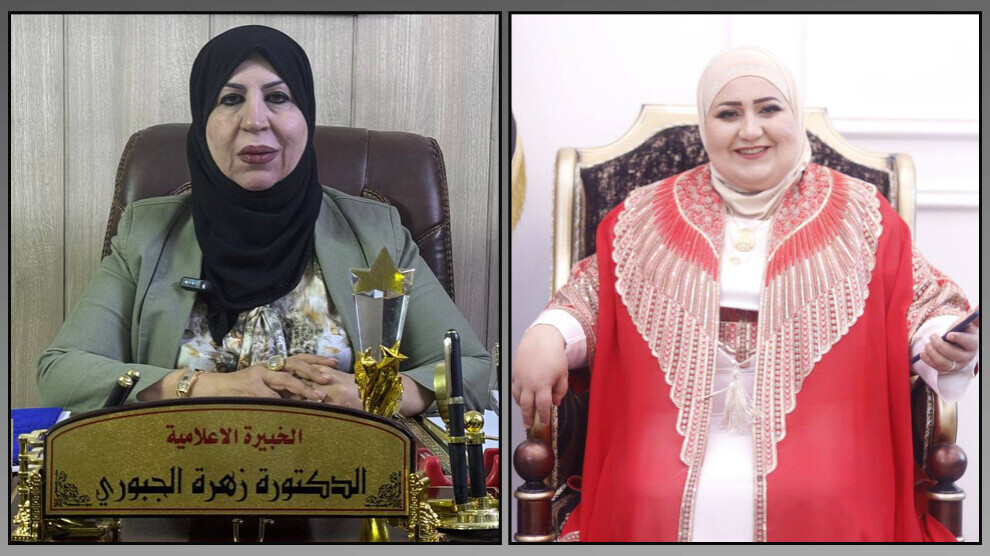
RAJAA HAMEED RASHEED
Iraq — In conjunction with the 16 Days of Activism Against Gender-Based Violence campaign, the reality of Iraqi women emerges as one of the most urgent issues, amid accumulated security, economic, and social challenges over the years. Despite the voices demanding protection and peace, there remains a pressing need for practical steps that end women’s suffering and translate laws into tangible reality.
Zahra Al-Jubouri, Director of the Media Department at the Ministry of Culture, Tourism, and Antiquities, and President of the Women Journalists Association at the Iraqi Journalists Syndicate, confirmed that women—regardless of their countries’ economic conditions—are the most affected during exceptional circumstances such as wars and ISIS.
Activating the Law
Zahra Al-Jubouri stressed the importance of activating laws related to women’s protection, noting that women's presence in the Iraqi parliament and in committees for women and childhood has not risen to the required level. She pointed out that no significant role has been observed on the ground from female parliament members in serving women, even though their duty is to be the voice defending Iraqi women's rights.
She expressed regret that these laws have not been activated nor taken the proper path to serve both women and society.
Regarding the role of civil society organizations, she explained that although some work voluntarily, others have at times turned into tools for personal gain, exploiting the vulnerability of Iraqi women instead of contributing to their empowerment and awareness.
She also emphasized the importance of genuine awareness to confront violence, stating that merely holding seminars and workshops is insufficient without real, concrete steps on the ground. She highlighted that many cases of violence and sexual assault still remain without serious action, including the cases of Dr. Ban and Dr. Sarah in Basra, where no decisive measures have been taken.
She added that neglecting these issues and allowing them to fade into oblivion contributes to the repetition of violations and crimes against women. The solution, she stated, lies in practical measures—not simply commemorating an international day or holding symbolic activities. She called for every day to be a day to combat violence against women, in recognition of their major role in Iraqi society as mothers, wives, sisters, and workers in various professions—from taxi drivers to factories, markets, and bakeries.
Social Responsibility
To strengthen the role of women in society, she stressed the need to eliminate the stereotypical and negative portrayals of women in drama and media. She indicated that this responsibility lies with the Ministry of Culture, especially the Cinema and Theater Department.
She called for producing works that highlight the successful Iraqi woman who contributes to building her community, along with promoting positive family models based on respect and affection. She also encouraged the use of advertising screens in public squares and parks to showcase women’s roles in public life.
Zahra Al-Jubouri emphasized the importance of directing awareness campaigns toward men as well, stating that the effects of violence directly impact them too, and that building relationships based on respect and support for women strengthens family and societal stability.
Challenges and Solutions
Media professional Alaa Al-Moussawi pointed out that despite the strength and significant role of Iraqi women in society, many still face difficult challenges that hinder their ambitions.
She explained that among the biggest challenges is gender-based violence, which appears in various forms such as domestic violence, early marriage, denial of education, and restrictions on economic and political participation. Some women also suffer from discriminatory social norms, weak legal protection, and low community awareness of their rights. These challenges affect not only women but also families, society, and the future of Iraq.
She believes that change is possible and begins by raising awareness of women's rights within the family, schools, and society, supporting legislation that protects women from violence, and creating a safe environment enabling them to learn, work, and participate in decision-making. She added that supporting organizations working to protect and empower women is an essential step.
Within the 16 Days of Activism campaign, Alaa Al-Moussawi called for a unified stance to reject all forms of violence, respect women's dignity, and empower them to become full partners in building a strong and just Iraq—because empowering women is empowering society as a whole.