
Sterk Organization... The Humanitarian Front Line Protecting Childhood in Times of Conflict
Women's initiatives form a humanitarian wall protecting threatened childhood during war. Evolving from emergency aid into long-teem efforts rebuilding children’s security and providing sustained support.
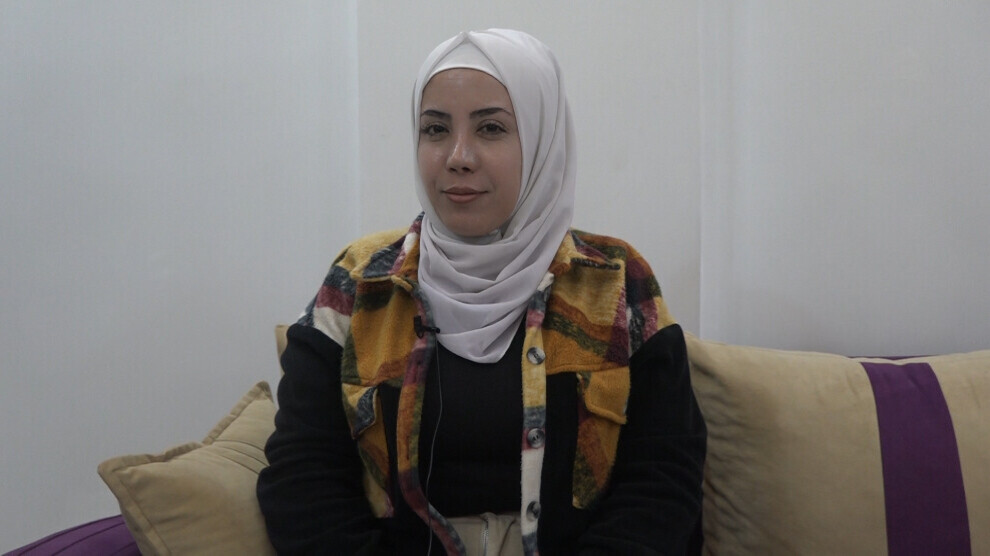
Asma Mohammed
Qamishlo — Amid the escalating effects of armed conflicts and the profound psychological and social burdens they leave on children, women's initiatives are stepping forward to form the first humanitarian line of defense against the war's impact on childhood. The role of these initiatives is no longer confined to providing emergency assistance but has expanded to include restoring children's psychological and social balance and building a nurturing environment that helps them regain their normal lives.
From this perspective, the Sterk Organization in the city of Qamishlo in Rojava operates through specialized programs led by women seeking to protect children's rights and document violations against them, alongside providing sustainable psychological and social support.
Awareness Programs and Activities
Sabah Fadil, an administrator at the Sterk Organization, confirmed that the organization's work focuses on protecting children's rights and documenting violations they are exposed to in conflict zones, in addition to issuing statements of condemnation and appealing to relevant authorities to hold those responsible for harm inflicted on children accountable. This is alongside implementing awareness programs and psychological and social activities aimed at mitigating the effects of war and advocating for improving their educational and living conditions.
She added that their intervention when a child arrives suffering from severe fear or trauma due to war is based on a fundamental principle: restoring a sense of security before any other action. The child is received in a calm and safe environment and treated gently without being forced to speak, because the first step in recovery is feeling that they are outside the danger zone.
She explained that they then communicate with the child's family to understand what they have been through and develop an appropriate support plan. This includes involving the child in psychological release activities such as drawing, playing, and group activities that allow them to express themselves safely, while working on gradually reintegrating them into educational and recreational activities to restore daily routine to their lives as an essential element of recovery.
The Needs of a Displaced Child Differ from Those of a Resident
She pointed out that their work is not limited to short-term sessions but extends to long-term follow-up that includes both the child and their family together, based on their awareness that the effects of trauma do not disappear quickly. Therefore, follow-up includes regular sessions, ongoing activities, and guidance for parents on how to deal with anxiety and stress, aiming to build the child's and family's capacity for healthy adaptation to harsh conditions.
She noted that supporting a child during bombing or displacement is incomplete without empowering the family, because parents constitute the primary source of safety. For this reason, the organization trains them to remain calm in front of their children and adopt supportive behaviors that help them overcome the effects of violence with the least possible harm. She explained that the most difficult cases are those where the child witnesses violent events directly, such as losing a family member or surviving destructive bombing, as these experiences leave deep psychological effects requiring specialized intervention and a long time. She emphasized that any intervention, no matter how simple, can make a real difference in the life of a child living under exceptional circumstances.
She clarified that the needs of a displaced child differ from those of a resident. The displaced child loses their home, friends, school, and sense of security, while the resident maintains some elements of stability despite fear. Therefore, the response is built according to each child's circumstances because understanding these nuances is the foundation of effective intervention. She noted that restoring childhood to children depends on integrated psychological and social programs, such as drawing, coloring, therapeutic play, and cooperative activities, whose goal is not just entertainment but rebuilding trust, enhancing the sense of security, and restoring the child's right to live their childhood despite the war.
In conclusion, Sabah Fadil affirmed that psychological support for children is a necessity to protect the future, as neglecting trauma may turn it into long-term disorders. She called on families, institutions, and society not to underestimate the impact of war on children. Creating a safe environment may seem like a simple step, but it is a real investment in a more stable society, as protecting a child psychologically today means protecting their future tomorrow.