
How Can We Convince the Young Women of the Revolution That Freedom of Expression Is a "Crime"?
Debate renews in Tunisia as four young female activists face investigation four years after a peaceful protest, a worrying step indicating declining freedoms and targeting of independent female voices.
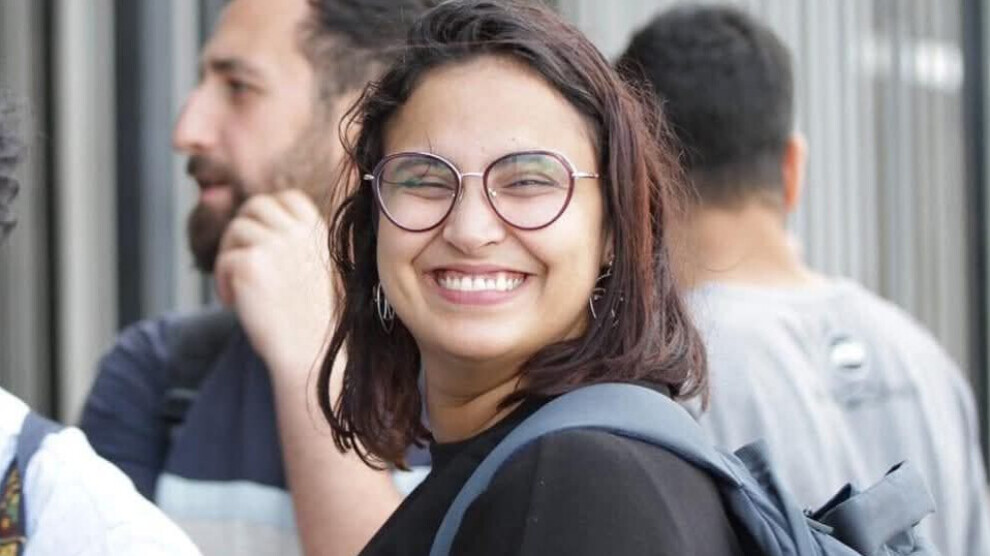
NAZIHA BOUSSAIDI
Tunis — The security harassment, prosecutions, and trials of Tunisian activists continue. Does the authority fear women's ability to tip the scales?
Rahma Al-Khashnawi appeared for investigation as part of a series of inquiries that have targeted four young female civil society activists, four years after their participation in a protest movement in the capital against the referendum on the constitution dated July 25, 2022.
The series of investigations — which included young activist Nawres Al-Zoghbi Al-Douzi on June 3, Asma Fatima Al-Mu'tamari on June 4, Iman Ben Jwaira on June 5, and Rahma Al-Khashnawi on June 9 — has sparked a wave of discontent, with solidarity vigils organised by activists in defence of society's right to dissent, criticism, and participation in public affairs without fear.
In truth, it is as difficult to convince the young women of the revolution that peaceful protest is a crime as it is to convince a small bird that has left its nest to return to it.
This quartet consists of well‑known activists belonging to a generation that opened its eyes to the freedom brought by the 2011 revolution. They have followed over the years the democratic transition process and the marches and demonstrations that the country has witnessed denouncing violations of rights and freedoms, especially those that confronted attempts to turn back the clock for women and defended their right to active political participation, not as mere decoration.
This quartet grew up on the belief that freedom is the foundation of life, and anything less is rejected and despised in Tunisian society. How can we convince them today that freedom — the most important gain of the revolution, for which blood was shed — has become a thing of the past, and that anyone who dares to express themselves is subject to prosecution, trial, and imprisonment?
How can we convince this quartet, and through them all young women and men, that protesting is a crime? Especially four years after peacefully protesting against a referendum whose figures revealed weak voter turnout: only 2.8 million voters out of more than 9.2 million registered voters, with young people not exceeding 7 percent of the total voters.
As soon as the news of their appearance for investigation was announced, many human rights figures and civil society activists expressed their dismay and astonishment at this matter, especially after all these years. They considered it a blow to free voices struggling for rights, freedoms, justice, and equality, and against anyone who is held accountable for their peaceful exercise of their right to expression.
They called for solidarity and support for the young women, because defending freedoms today is not defending specific individuals; rather, it is defending society's right to dissent, criticism, and participation in public affairs without fear.
Women's and Human Rights Associations Denounce
The Association of Democratic Women stressed in a statement that the right to expression, peaceful protest, and opinion are fundamental rights guaranteed by international human rights instruments and also ensured by national legislation. Their exercise must not become a reason for prosecution, investigation, or judicial pressure.
For its part, Lawyers Without Borders considered that reopening legal proceedings related to the exercise of the right to expression and peaceful assembly after nearly four years from the events falls within a worrying context characterised by increasing pressures and prosecutions targeting human rights defenders and civil society actors.
The Takaatuf Association for Rights and Freedoms condemned the summoning of the women rights activists and considered that these legal proceedings represent a form of restriction on freedom of expression and peaceful assembly, and an attempt to intimidate activists and human rights defenders because of their legitimate exercise of their fundamental rights.
It demanded the immediate dropping of all legal proceedings and measures related to this case, an end to targeting activists and human rights defenders, and respect for the right to expression and peaceful protest in accordance with Tunisia's constitutional and international commitments.
Because They Are Women
Human rights advocates in Tunisia believe that these prosecutions come within a context in which the governing political system after July 25 seeks to fabricate charges and cases against everyone who demands freedom and justice in the country, and it explicitly targets women. Numerous names appear: Shaima Issa, Sana Dahmani, Abir Moussi, Shatha Haj Mubarak, Saadia Mesbah, Sharifa Al-Riahi — and the list goes on.
Women who have been prosecuted, investigated, and imprisoned on multiple charges that observers of public affairs in Tunisia consider a clear threat to freedom of expression, freedom of civil and human rights work, an obstruction of women's participation in political life, and the establishment of a policy of fear, muzzling, and a return to the era of oppression and tyranny — after the people said "No" to the Ben Ali regime and worked to overthrow it, and then said "No" to the Troika governance system when it gave room to screeching voices calling for regression and the undermining of achievements for which Tunisian women have struggled since independence. Women came out in vast numbers in the "Departure" sit‑in and tipped the scales in the 2014 presidential elections when they gave their votes to the late President Beji Caid Essebsi, allowing him to defeat his opponent Moncef Marzouki by a respectable margin.
What is currently happening in Tunisia in terms of restrictions on women does not reflect the authority's awareness of the importance of women's historical role in building the nation, nor an awareness of the important status they have achieved at home and abroad — a status that makes them invincible against all attempts aimed at silencing or muzzling their voices.