
Between Courtrooms and Heavy Expenses, Alimony Rights Are Lost
women's difficulty in accessing justice raises more than one question about how their complaints are received and responded to by the competent authorities. courtrooms and heavy expenses, their rights and the rights of children are lost.
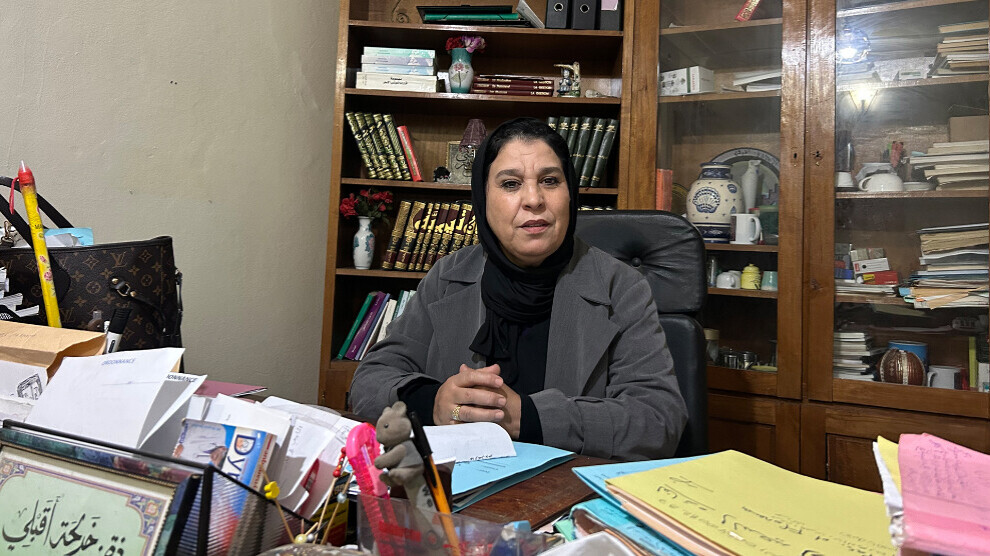
Rajaa Khairet
Morocco — Many obstacles hinder women's access to justice, including social and cultural factors, feelings of humiliation and shame, fear, and poverty. At the forefront of these factors remain economic vulnerability, legal gaps, complex procedures, and weak assistance and care services for these women.
Reality reveals the shortcomings and weaknesses in the legal, political, and institutional framework in Morocco that governs the response to women's complaints. This includes the failure to provide adequate protection for women and their children, especially in light of husbands' refusal to provide for the family.
Economic Vulnerability
S.F., a 30-year-old woman from the Setti Fatma region (70 kilometers from Marrakech), stated that she no longer wishes to pursue the case she filed for alimony after her divorce from her husband. She has acquiesced to the reality due to her tight financial situation and the heavy expenses required by the lawsuit.
This woman, who came from a distant rural area to Marrakech to meet with a lawyer she had retained to follow up on her alimony case after divorcing her husband who left her with three children and no breadwinner, is not alone in abandoning the pursuit of alimony from her husband. Due to the complexities that include legal procedures and the burdensome expenses, she is among many women who give up halfway, preferring to withdraw and remain silent rather than chase after their rights, which are lost due to the difficulty of accessing justice.
Human rights activist and lawyer with the Marrakech Bar Association, Khadija Aqabli, says, "The most vulnerable women do not have the financial ability to appoint a lawyer or cover the costs of proceedings, the least of which are transportation costs to the court, police station, or gendarmerie, or even to an association for women's assistance seeking support and aid. Many are forced to borrow money from relatives to pursue the case."
She explained that most wives state that they bear the burden of supporting the family alone after the husband has abandoned his commitments and responsibilities. The situation worsens if the children are not registered in the Civil Status Register (Family Record Book). Here, filing an alimony lawsuit becomes difficult, as the wife must first provide a medical certificate proving the birth, which weighs her down and pushes her to abandon the pursuit, seeking other alternative solutions.
She also highlighted the complexities affecting some legal procedures, such as the process of notifying the husband. Here, local authorities are resorted to, but they sometimes refuse to receive the notification paper and deliver it to the person concerned if it is not stamped with the court seal, which invalidates the entire notification process.
Faced with these complexities, the client, as Khadija Aqabli confirms, feels a kind of "aversion," preferring to waive her rights, given the patience, endurance, and expenses the process requires.
Absence of the Solidarity Fund Worsened the Situation
One affected woman speaks about how, after the earthquake that struck Al Haouz province in 2023, she was surprised to find that the support she was receiving from the Social Solidarity Fund had stopped, under the pretext that she would receive support from the Natural Disasters Fund. However, upon verification, it turned out she would not benefit from this fund because she did not meet the adopted criteria. In the end, she neither benefited from the Solidarity Fund nor found a foothold in the Disasters Fund.
Lawyer Khadija Aqabli questioned the reason for canceling the Solidarity Fund, which provided support to women and their families without prior notice, explaining, "We are heading backwards, and I personally consider it a legal setback. After bitter struggle and great effort, we managed to achieve this gain. Although the amounts disbursed by this fund to women unable to obtain alimony were modest, it at least contributed, even if just a small part, to covering family expenses. Today, however, women, especially rural women, are forced to send their children to work at an early age to meet the family's needs."
She also called for finding funding sources for the Solidarity Fund instead of completely abolishing it, explaining that over the past years, this issue has been a subject of research and discussion by human rights bodies and feminist associations, which have highlighted the possibility of seeking funding for such funds due to their importance in alleviating the burden of expenses weighing on divorced women with children.
She demanded government intervention in enforcing alimony rulings. Sometimes the husband is unable to pay alimony amounts for his children, and often, husbands prefer to serve alternative sentences in prison rather than pay alimony compensation to their children, leaving the family living in difficult circumstances. In such situations, the wife finds no solution but to resort to homes to work as a domestic worker, especially if she lacks qualifications to help her find opportunities in the job market.
Concluding her speech, lawyer Khadija Aqabli affirmed that economic vulnerability remains the primary factor hindering women's access to justice and pursuing the cases they file, whether for divorce, claiming alimony, or other demands that remain pending due to financial constraints. This calls for state intervention to provide protection and support for these women and their children.