
Moroccan Rights Activist: Legal Reforms Have Not Sufficiently Reflected in the Reality of Women’s Lives
Despite the significant legal reforms that Morocco has witnessed over the past decades, a gap still remains between legislative texts and their actual implementation on the ground.
Hanan Hart
Morocco- The discussion of women’s rights cannot be separated from the broader social context, as the struggle for equality is closely linked to the struggle for dignity, regional justice, and comprehensive development. Although indicators and statistics are important, they do not always reflect the full scale of the structural problems faced by women, particularly in rural and mountainous areas where challenges are compounded.
International Women’s Day provides an opportunity to raise fundamental questions about the extent to which legal reforms have influenced the real living conditions of women, and to renew the debate on the need to move from rhetoric to practice, and from legislation to effective public policies that guarantee real equality and strengthen women’s position as essential partners in building society.
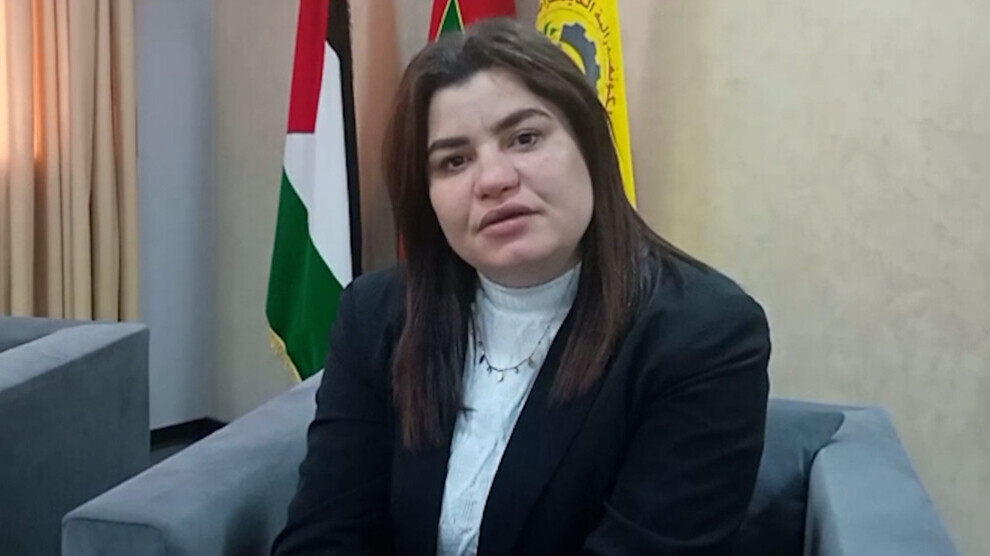
Ibtissam Tbat, a human rights activist and member of the association Young Women for Democracy, believes that the discussion of women’s conditions in Morocco should not be limited to the legal reforms achieved in recent years, but should also include evaluating the impact of these reforms on women’s daily lives.
She stated that despite the gains achieved at the legislative level, a number of demands related to improving women’s conditions remain unresolved, particularly those concerning wage equality, social rights, and ensuring equal opportunities in various fields.
She explained that there has been noticeable progress at the level of legal texts, yet a gap still persists between what the laws stipulate and what society experiences in reality. She added that indicators and statistics, including official ones, reveal the continued existence of real challenges faced by women, noting that numbers do not always fully reflect the difficulties women encounter in their daily lives.
Ibtissam Tbat emphasized that women’s issues cannot be addressed in isolation from other social issues, considering that the struggle for women’s rights is closely linked to the broader struggle for social justice, dignity, and equality.
She said that actors in trade union, human rights, and political spheres share common values that place women’s issues at the core of a societal project aimed at achieving greater fairness. She noted that women’s issues remain at the heart of the priorities of the feminist movement due to the persistence of multiple forms of discrimination, including marginalization, violence, and negative stereotypes that are still present in everyday social discourse.
Genuine Will and Concrete Practices
She stressed that achieving real equality requires a genuine will to translate the discourse advocating equality into concrete policies and practices, noting that repeating the same discourse for years without practical changes will not lead to the desired transformation.
She also called for strengthening societal awareness of women’s status and role, emphasizing that the relationship between women and men should be based on partnership in building society rather than competition or exclusion.
She highlighted the importance of strengthening coordination among various actors—from women’s organizations to human rights groups—along with expanding fieldwork to include women in different regions, especially in villages and mountainous areas where women face compounded challenges.
In the context of discussions accompanying the commemoration of International Women’s Day on March 8 each year, Ibtissam Tbat considered this occasion an opportunity to recall the history of women’s struggles around the world and the sacrifices made to achieve rights and gains.
She concluded by stating that achieving regional justice remains one of the essential conditions for improving women’s situations, noting that enabling women to have decent living conditions across all regions of the country represents an important step toward building a more equal and fair society.