
From Grandmothers' Kitchens to Markets... Heritage Food Projects Cross Tunisia's Borders
Grandmothers' recipes in the regions of Sidi Bouzid have transformed from rural kitchens into small businesses building a future for women and their families.
Ikhlas Al-Hamrouni
Tunis – Deep in the Tunisian countryside, where the land pulses with heritage and ancient customs, there are women with an unyielding will, leading their lives from their small kitchens to the country's major markets.
These women have not only preserved their grandmothers' recipes but have turned them into small projects that generate income, ensuring their independence and strengthening the family's ability to face the challenges of daily life.
Culinary Heritage as a Path of Struggle
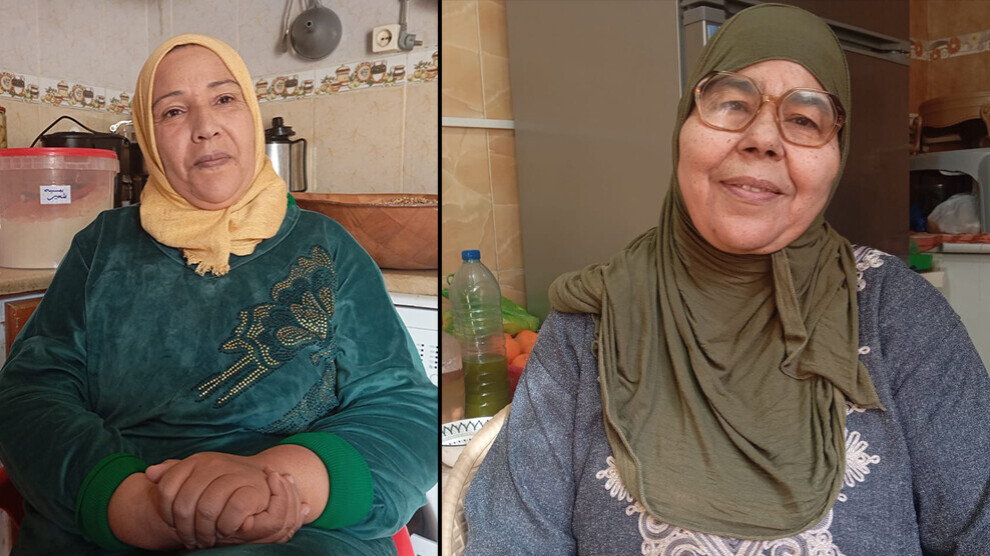
Mounira Azzi is one of the women from Sidi Bouzid, that rural region in central Tunisia rich in folklore and traditional cuisine. She preserved certain recipes from her family and made them a source of livelihood. She says, "For me, culinary heritage wasn't just a cultural legacy; over time, it became a path in life and a daily struggle."
She added that her life was initially stable, and her husband worked, until unexpected circumstances forced him to stop working, prompting her to seek alternatives to secure her family's livelihood. The beginning was modest: making small quantities of "Bkhour" (incense) and selling them at low prices. However, she considered this experience the first building block in a long journey of work and diligence. Over time, she expanded her activity to include preparing other healthy foods, simple in their ingredients but deep in flavor, prepared with natural components and cooked slowly over a low flame, following recipes passed down through generations – such as traditional pastries, various types of couscous, "El Mahmsha" (a type of pasta), and harissa.
She said, "My small project gradually began to expand, relying more on experience and perseverance than on financial resources," and "thanks to continuous effort, I got the opportunity to participate in several exhibitions within Tunisia. In fact, some of my products even surpassed the local market and reached France and Qatar. However, despite marketing abroad, it is often done under someone else's name."
She explains that this success wasn't limited to financial returns but also included securing her daughters' needs and raising them in dignified circumstances. In her view, true equality "is not only about rights, but also about taking responsibility, working hard, and standing by the family in times of hardship."
Independence is the Foundation of Work
For her part, Raja Al-Misawi said that she works with complete independence. "I am not affiliated with any association or group, and I rely entirely on myself and my kitchen, which has become a true production space."
She added that she handles all stages of production herself, which typically include cleaning ingredients, drying them, and then grinding them when necessary, before transforming them into food products identical to those she inherited from her grandmothers – from cooking various types of couscous to making spices, olives, and preserves.
Each day brings a new task; one day she works on olives, another day she prepares peppers or "Bsisa" (a roasted grain powder), which she learned from her grandmother. "I rarely leave my place, as most of my time is dedicated to production because I believe that continuous effort is the foundation of success."
She also pays great attention to marketing and communication, handling exhibition follow-ups and online contacts herself, and bears all participation and travel expenses at her own expense.
Her goal, as she affirms, is not just to sell limited products but to build a sustainable project and have a real presence in the market. Her products, such as "Rob El Hindi" (cactus pear syrup) and wheat "Bsisa," have won national medals thanks to their quality and distinction.
Raja Al-Misawi believes that "the secret to success lies in professional conscience. I work as if I were preparing food for my own children, which gives the product a special value and makes it different."
The stories of Mounira Azzi and Raja Al-Misawi are a living example of the ability of women in interior regions to transform culinary heritage into a source of livelihood, and proof that willpower, perseverance, and professional conscience can make all the difference.