
"Macorina"... When a Woman's Voice Becomes a Song of Rebellion and Freedom
From a woman's rebellion against her era's norms, "Macorina" was born—Chavela Vargas's voice and liberated performance turning it into a powerful echo of women's freedom and self-made paths.
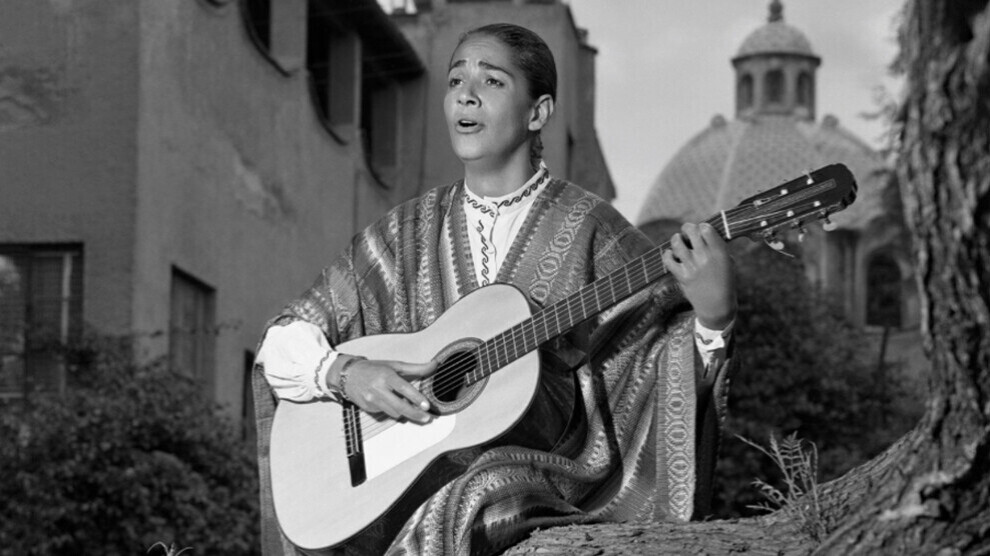
NEWS CENTER — Whenever a woman wrests for herself a space of presence and expression in the public sphere, on roads, and in the arts, and imposes her right to make decisions related to her body and life, this constitutes a new turning point at which prevailing social molds crack and the restrictions imposed on her recede. The song "Macorina," in the voice of artist Chavela Vargas, embodies this moment with all its rebellion against taboos and challenge to norms, evoking the stories of women who chose to draw their own paths, in a musical work whose echo remains present to this day.
The song draws inspiration from the story of María Calvo Nodarse, known as "La Macorina," who is considered among the first women to drive cars in Cuba, and who became famous for a lifestyle unfamiliar to the traditions prevailing in her era, and not contained by its narrow social molds. From her story, the musical work drew its spirit, to become one of the symbols indicating women's freedom, independence, and ability to challenge the restrictions imposed on them.
As for Chavela Vargas, who challenged with her presence and voice male domination and the limits imposed in the world of traditional music, she succeeded through "Macorina" in connecting the legacy of the past with the spirit of resistance and resilience in the present, presenting a work that recovers the story of women who drew their own boundaries and refused to submit to the norms and restrictions imposed on them.
It is a song worthy of listening for anyone who wishes to learn about the stories of women who carved their path by their own will, and to listen to a shared women's memory whose voices rise from various parts of the world.