
İndustrial Expansion Threatens Land and History in The Villages of Mardin
Historic Mardin villages face severe environmental degradation from expanding "Ati Baker" mining facilities, amid growing popular fears and warnings over water depletion, soil pollution, and threats to community life, culture, and future.
AKIN STERK
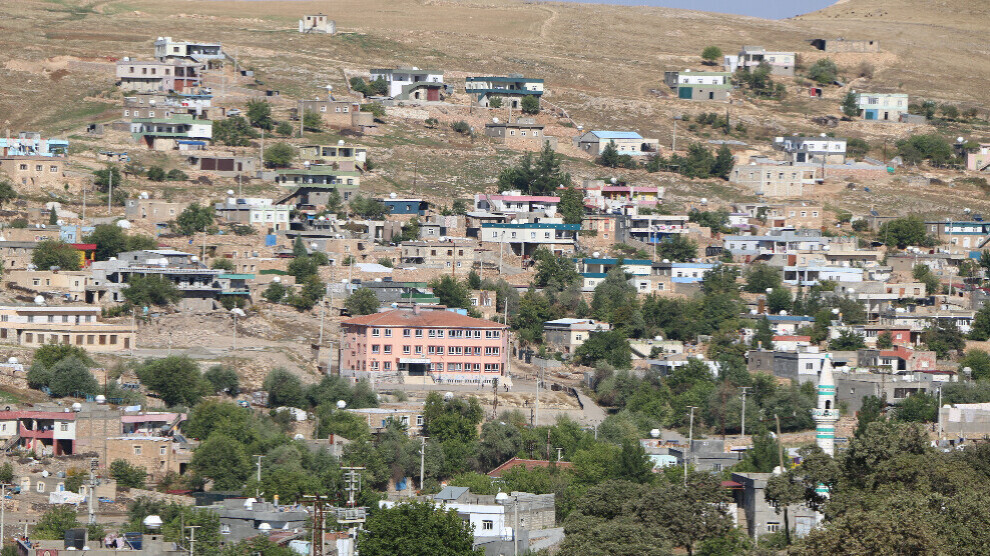
Mardin – The historic villages in the fertile lands of Mesopotamia, which have relied for centuries on agriculture and livestock raising, face severe environmental degradation due to industrial expansion. The "Ati Baker" facilities of the "Cengiz Holding" group, located in the village of "Tizni" in the Shimarkh area of Mardin, top the controversy, given the direct damages they cause that threaten nature, vital and residential areas in the region.
Environmental concerns are increasing in the region with the expansion of mining, which threatens soil, water, and natural life. The issue is no longer just industrial production, but has turned into a fateful struggle threatening agricultural lands, livestock grazing, and the future of villages. While companies expand under the slogans of investment and employment, villagers and activists fight desperately to protect their lands and vital spaces.
The history of mining in Mardin extends to the operation of phosphate deposits in 1974 through "Etibank," which was closed in 1994 due to losses, before being privatized in favor of "Cengiz Holding" in 2011. With its declaration as a "special industrial zone" in 2019, the company was granted open production powers, and its current attempts to expand the facility have reignited discussions about its environmental repercussions.
The environmental and human dimensions of this issue, based on the testimonies of residents and activists, are summarized in the following points: Deep environmental concerns, as environmental organizations and village residents express grave concern about the depletion and pollution of water resources, changes in groundwater, as well as soil and air pollution. Environmental defenders demand the necessity of conducting independent scientific research to reveal the real environmental effects of the facility, calling for the protection of the region's natural wealth in the face of industrial expansion.
The price of the alleged "development": The events in Shimarkh raise inevitable questions about the actual identity of the beneficiaries of these industrial activities carried out under the name of "development," and in return, they shed light on the groups that pay the real price with their health, their lands, and the future of their children.
The expansion of environmental impact: The environmental damage is not limited to the village of "Tizni" alone, but extends to include vast areas, as foul and heavy odors emanate from the facility and intensify with the movement of the wind to reach neighboring settlements and villages, which constitutes tangible and continuous evidence of the scale of the threat facing the vital spaces there.
"There Is a Smell Like Poison"
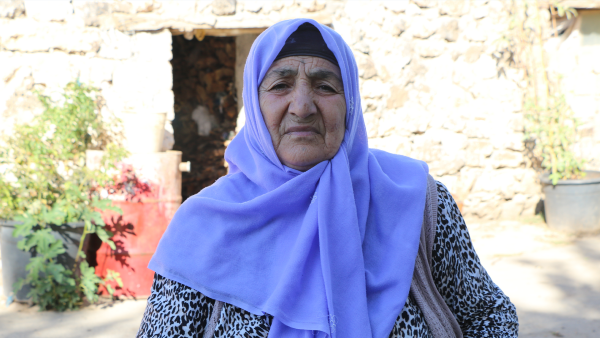
Popular rejection extends to neighboring villages, where Husna Aratc from the village of "Shimika," located two kilometers from "Tizni," expressed her anger and categorical rejection of the looting and environmental sabotage to which the region is subjected.
She confirms that since the establishment of the mining facility, life in the village has been threatened. Heavy and suffocating odors constantly emanate from the site and from the pits surrounding the village on its four sides and leak into the homes, simultaneously with the rising of huge amounts of dust as a result of the machines' work and the unloading of soil and rubble toward the residents, which has destroyed the vital spaces and made living there almost impossible.
She notes that agricultural lands, water resources, and residential areas face great danger because of the facility. "These waters have become polluted and toxic now. They built this facility right next to us, and now they want to establish another facility in Husna village. They are carrying out mining excavation works everywhere and bringing materials here. All people have been afflicted with diseases, our agricultural crops no longer grow, and our animals are harmed."
Husna Aratc complains about the officials' complete disregard for their suffering as a result of the confiscation of their lands and their transformation into a site for processing toxic materials and water. This has led to the spread of diseases, the drying of trees, and the emission of foul odors and thick dust, without any response to their repeated complaints. She adds angrily that the continuous dynamite blasting threatens her house with collapse after its walls cracked. She describes the force of the explosions as resembling earthquakes that shake the earth and destroy their homes over their heads.
"Three More New Facilities Will Be Established"
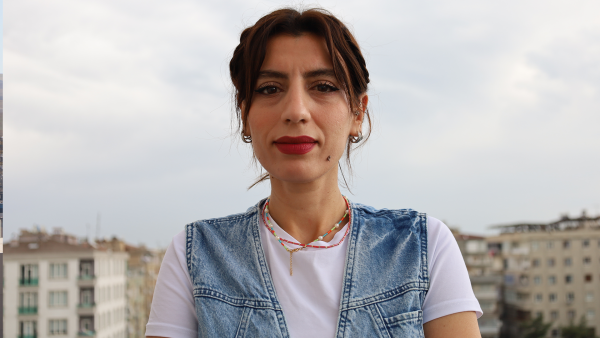
Environmental activist Derya Akyol warns of the catastrophic environmental and societal destruction that the "Ati Baker" facility and the three new planned projects in "Shimarkh" will cause, confirming that these investments threaten water resources, soil, and public health, and directly affect the culture of society, its lifestyle, and its future.
She explains that the destruction of the environment in "Shimarkh" results from a capitalist mentality that turns nature into a commodity, noting that companies' exploitation of water and soil threatens the lives of all beings. "This destruction is not limited to nature but extends to affect the livelihoods of residents, their culture, their language, and their ties to the place."
Derya Akyol refers to the assessment of the "Mardin Environmental Association" issued on 9 April 2026 regarding the current and future effects of the "Ati Baker" facility, stressing the necessity of carefully examining changes in groundwater resources and the pollution of wastewater resulting from the project.
She points to the Association's assessment, which revealed a sharp 60% decrease in the groundwater level in the well (FSK-3) during the period between 2014 and 2019, demanding that the concerned authorities conduct independent research to determine the extent of the impact of industrial consumption on this decline. She also refers to the results of wastewater pollution contained in the technical report of Bursa Technical University issued in April 2023.
Derya Akyol explained that the data available to public opinion showed that the pH level of a wastewater sample reached 3.52, a value that confirms that the sample is highly acidic, stressing the extreme importance of conducting comprehensive and independent investigations to protect water resources and determine the extent of pollution accurately.
Water Consumption
Derya Akyol reports that the three new planned facilities for the production of cobalt, zinc sulfate, and oxygen will consume massive amounts of water reaching 356 cubic meters per hour (8,544 cubic meters per day).
She warns of the risks of using highly dangerous chemicals in the new facilities, such as nitric, hydrochloric, and sulfuric acids, demanding the immediate disclosure of their storage and waste management procedures to prevent leaks. She expresses her deep concern about expanding production without an adequate assessment of the current effects, which threatens residents' access to clean water and destroys environmental life.
She notes that the environmental destruction witnessed in the region cannot be separated from historical and political conditions, as vital spaces have been damaged, people have been subjected to displacement and forced migration, and social life has changed significantly due to conflicts and security policies from the past to the present. She notes that profit-making policies and security policies are processes that feed one another.
Derya Akyol stresses that the essence of the environmental struggle lies in the necessity that the people have the right to expression and decision regarding their geography and future. She explains that the protest event organized in Kocakent on 12 April demonstrated clearly the people's reaction to the activities practiced in the region and reflected their will to protect their vital spaces.
She explained that the environmental struggle is not limited to protecting natural wealth only, but defending the people's culture, language, social memory, and future is considered among the fundamental and pivotal elements of this struggle.
In her assessment of the form of life they aspire to, Derya Akyol stressed the necessity that production be shaped in line with the needs of society instead of pursuing corporate profits. "The pillar we start from is adopting a concept of life in which nature is not drained for corporate profits, the people possess the right to speak and decide regarding their vital spaces, and production is directed to serve the needs of society. The environmental struggle here, alongside its protection of land, water, and nature, simultaneously defends the people's culture, language, collective memory, and future."