
Yazidi Women After the Genocide... Open Wounds and an Unfinished Path to Justice
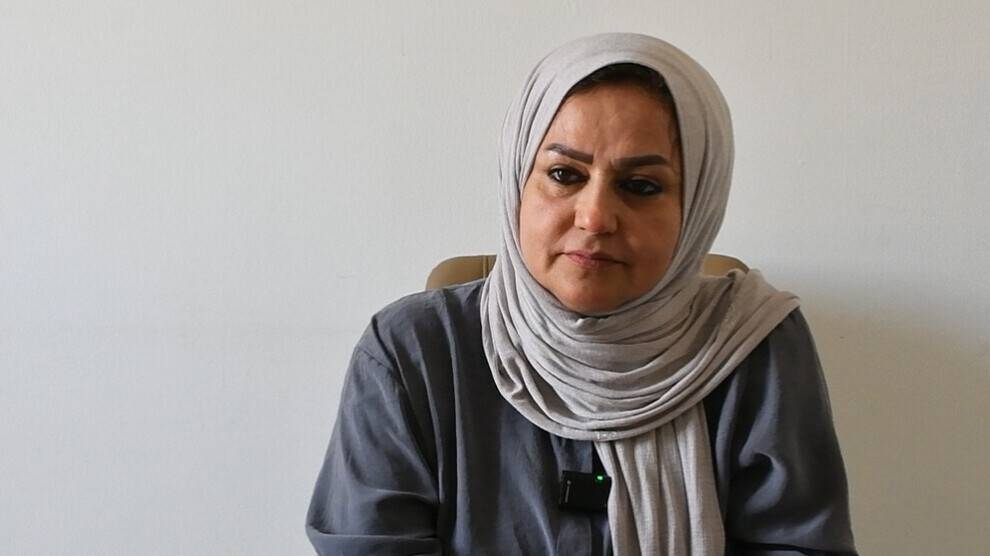
More than a decade after the genocide, Yazidi women continue facing effects of captivity and violence amid challenges hindering recovery and justice, with Hanaa Abbas, head of "Popular Rescue," affirming the path toward redress remains long.
TAMANNI AL-SARWI
Baghdad — Genocide is not measured by the number of victims alone, but by the deep scars it leaves in the lives of women whose bodies became battlegrounds, and who have carried the burdens of violence, displacement, and loss for many long years. For Yazidi women, liberation from captivity was not the end of the tragedy, but the beginning of a new battle for recovery, the restoration of dignity, and the right to a safe life — under the weight of a memory burdened by sexual violence, enslavement, and uprooting.
Twelve years after the massacres ISIS committed in Sinjar, thousands of survivors still face deep psychological, social, and economic scars, while civil society organizations affirm that the official response has not risen to the scale of a crime that systematically targeted women, nor to their actual needs for recovery, redress, and reintegration.
In this context, Hanaa Abbas, head of the "Popular Rescue" organization in Iraq, affirms that Yazidi women are still paying the price of the genocide to this day, noting that genuine recovery cannot be achieved through legislation alone, but requires a comprehensive system of justice, along with psychological, economic, and social support, to guarantee survivors the restoration of their independence, dignity, and right to a future free of fear.
She added that psychological trauma remains powerfully present, as it takes no more than a security incident or a rumor for survivors to relive the terror that accompanied their years in captivity — affirming that the effects of the genocide continue to assert themselves in their daily lives, and that recovery requires more than the mere passage of time.
Protecting Survivors: An Essential Part of the Path to Justice
Regarding justice, Hanaa Abbas stressed that holding perpetrators accountable still faces major obstacles, and that impunity continues to weigh heavily on the path toward redress for women. Some women hesitate to share the information they hold out of fear of retaliation, whether inside Iraq or after emigrating, making access to justice more complicated, and affirming that protecting survivors and empowering them to demand their rights remains an essential part of any genuine path to redress.
Hanaa Abbas affirmed that Yazidi women are still awaiting real answers about what happened in Sinjar, whether regarding the causes of the security collapse that preceded the genocide, or the parties that failed to protect them, noting that local and international investigations have not yet revealed the full truth, leaving survivors' wounds open.
She stressed the importance of issuing periodic reports monitoring the situation of Yazidi women and assessing the level of implementation of government commitments, in a way that helps develop policies responsive to their actual needs, rather than temporary solutions, noting that the destruction still affecting many villages in Sinjar, alongside the continued presence of mass graves and the unresolved fate of the missing, denies thousands of women the ability to close the chapter of loss, making psychological recovery an even more difficult task amid a long wait to learn the fate of their loved ones.
Despite the recognition by a number of countries and the UN Security Council that what the Yazidis experienced constitutes a crime of genocide, Hanaa Abbas believes this recognition has not been sufficiently reflected in the paths toward justice and reparations, affirming that political considerations and the complexity of prosecuting ISIS members of various nationalities have contributed to slowing accountability for those responsible for the crimes.
She explained that most of the survivors whose situations the organization follows were children when the genocide occurred, and are now young women carrying deep psychological scars that have affected their education, social relationships, and outlook on the future, noting that many have lost the desire to continue their education or build new lives, despite the law granting them this right, because ongoing trauma continues to prevent them from reclaiming a normal life.
She added that some survivors today are responsible for raising children born during their captivity, at a time when many families continue to live in hope of finding more than 1,700 missing people, including women and children — a humanitarian file that remains without decisive solutions.
She said the file of the abducted and missing remains one of the most complex humanitarian issues, noting that efforts continue to recover the abducted, particularly by the Kurdistan Regional Government, given its proximity to the areas where the crimes occurred, but that this file remains unresolved, with many families still unaware of the fate of their children.
Reopening the Wounds of the Past
She noted that the annual commemoration of the genocide is not merely an occasion to remember the past, but reopens women's wounds year after year, as families return to the destroyed villages and mass graves, reviving feelings of loss and trauma, while this heavy legacy is passed on to children growing up amid scenes of destruction and the absence of loved ones.
She explained that the slow pace of reconstruction in Sinjar and the affected areas, along with the failure to fulfill many government promises, prevents women from returning to a safe and stable environment, noting that children affected by the genocide remain outside the circle of adequate attention, despite carrying deep psychological and social scars.
Hanaa Abbas concluded by affirming that Yazidi women continue to wage a daily battle with the effects of trauma, and that recovery is not achieved through the passage of time alone, but requires sustained psychological support, justice that redresses survivors, and a safe environment that gives them a genuine opportunity to reclaim their lives and dignity.