
Women’s Presence Reshaping Community Work in Sweida
Women’s presence in Sweida’s neighborhood committees and local initiatives has grown, with youth taking on protection roles, driving them to manage services and solidarity.
ROSHELLE JUNIOR
As-Sweida_The Syrian city of Sweida has witnessed notable societal transformations in the aftermath of the July 2025 massacres, reflected in various aspects of public life. Among the most significant of these transformations was the increasing presence of women in local affairs, as local councils and neighborhood committees recorded unprecedented rates of female participation, exceeding half of the members in some cases.
This notable presence is attributed to many young men taking on protection duties for the city of Sweida and its surroundings, which pushed women to assume greater responsibilities within the local community and actively participate in managing service, humanitarian, and organizational affairs. This role has contributed to strengthening the concept to community partnership and solidarity among the city’s residents, affirming women’s ability to contribute to leading local initiatives and decision-making during exceptional phases.
Unprecedented Female Presence in Neighborhood Committees
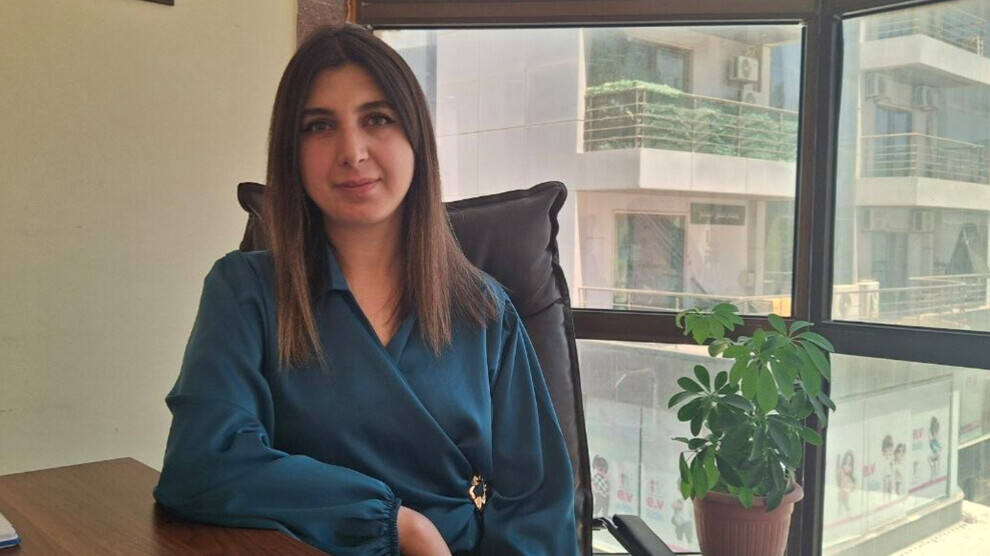
Lawyer Rim Al-Muheithawi, one of the women participating in the neighborhood committees in Sweida, affirms that the exceptional circumstances the city has gone through have imposed an active presence for women in various community fields, pointing out that this role is no longer a choice or a luxury but has become a necessity imposed by the demands of the stage.
She explains that neighborhood committees have recently undergone processes of renewal and restructuring, which allowed greater space for women's participation in field work and decision-making positions, with women's representation rising significantly compared to previous years when their presence was limited.
According to Rim Al-Muheithawi, women had previously suffered from weak representation in public affairs, whether within neighborhoods or at the broader local community level. However, the recent period has proven their ability to lead, plan, implement, and launch initiatives.
She points out that women have participated directly in managing neighborhood affairs and organizing service and relief initiatives, at a time when a large number of young men were undertaking protection duties for the city and its surroundings.
Challenges of the Beginnings and Earning Community Trust
Rim Al-Muheithawi undertook the task of administrative coordination for a local service team within her sector. She says that the team initially faced a state of caution and questions about the nature of its work and its ability to achieve tangible results. She adds that team members were under constant community scrutiny, but the results achieved on the ground helped change the prevailing view of women, gradually turning into support and welcome from residents who directly witnessed the impact of the initiatives.
The team began its organized work in mid-February, after a phase of limited individual initiatives, focusing on reaching the elderly, persons unable to move, or those without a provider.
Activities included home visits, studying humanitarian and health cases, securing basic needs of medicines and medical and nursing supplies, in addition to following up on home hospitalization cases. The team includes seven volunteer nurses who provide care for cases requiring health follow-up within their homes.
Psychological and Social Support as Part of the Response
Work was not limited to the health aspect; the team also included specialists in psychological counseling, psychology, and sociology, who worked to collect data on social and psychological cases and assess their needs.
This work helped reach people who lack the ability to communicate or ask for help, especially the elderly and the most vulnerable groups, enabling the provision of appropriate support and connecting them with entities capable of assistance.
Rim Al-Muheithawi explains that the initiative, which began simply, later received wide support from neighborhood residents, with women playing the most prominent role in this support by establishing a community fund in which neighborhood women participate.
The fund aims to secure the necessary resources for service and medical initiatives, and to contribute to covering part of the needs of humanitarian cases followed by the team, given the limited available resources.
Project to Establish a Local Medical Point
Among the projects the team is currently working on is the establishment of a medical point within the neighborhood to allow residents easier access to basic health services.
Work is also underway to prepare specialized initiatives for psychological support for students, women, and farmers—projects that are still being studied and organized in preparation for their launch in the coming period.
Rim Al-Muheithawi believes that one of the most important achievements of the past period has been the strengthening of communication and networking between neighborhood committees, local teams, and active figures within the community.
Expanded meetings have allowed for the exchange of experiences and the introduction of existing initiatives, and have also revealed efforts and projects that were not sufficiently known among different parties, helping to coordinate work and direct it toward the most urgent needs.
Community Solidarity as a Pillar of Local Work
Networking between various parties has contributed to delivering information about available services to residents, including medical and therapeutic services provided by some local entities at reduced or nearly free prices.
It has also helped activate community solidarity initiatives to support families and individuals unable to bear costs, in a model reflecting the spirit of cooperation and solidarity that has emerged in Sweida during the recent period.
Rim Al-Muheithawi concludes by affirming that women's participation in neighborhood committees and local initiatives was not merely a circumstantial response but an experience that proved women's ability to bear responsibility and contribute effectively to managing public affairs and serving the community.