
Women from Van: Rojava Events Raise Fears of Stalling the Peace and Integration Process
Women from Van, North Kurdistan, warned that recent events in Rojava—Hasakah and Kobani—along with language-rights tensions, could undermine the integration process.
MIMEHAN HALBIN ZAIDAN
Van(Wan) — The kidnapping and killing of Sipan Hizni, a fighter of the Hasakah Brigade, followed by the death of 9 detainees in the fire that broke out in Kobani prison on September 12 — with the toll later rising to 10 — and residents taking to the squares in protest at what happened, have raised questions about the ongoing integration process in Rojava and its future.
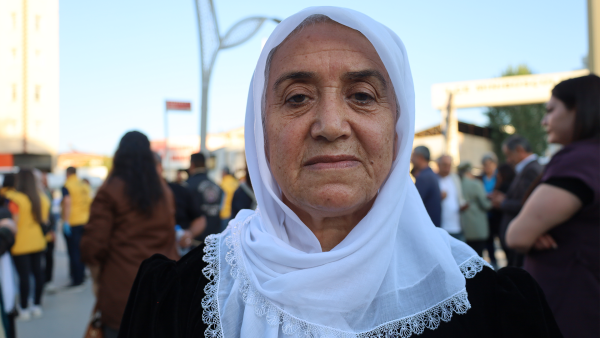
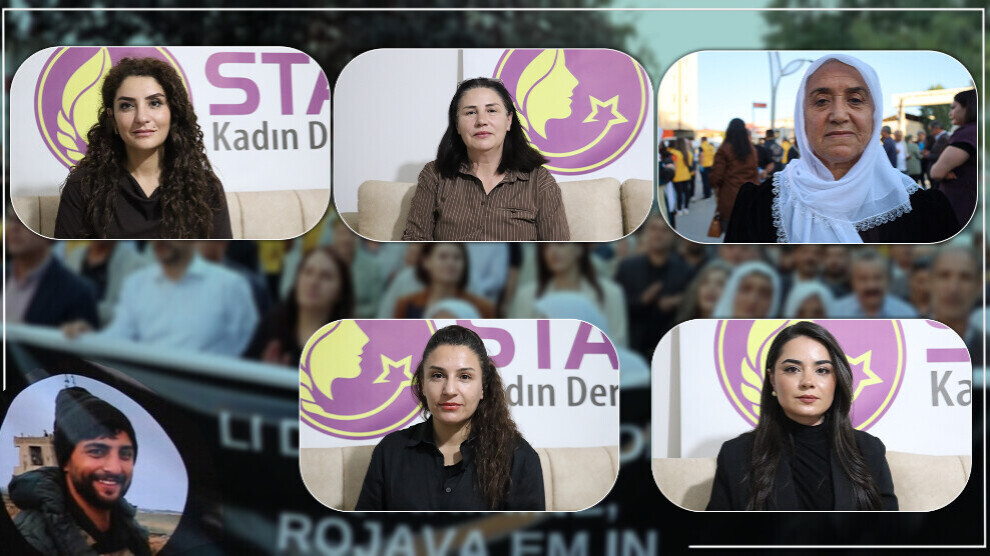
Women from Van in North Kurdistan described what is happening as "brutality," and Kêvê Işık from the Peace Mothers Council affirmed that the attacks being carried out are unacceptable, noting that Kurds everywhere will express their reaction to these attacks.
Regarding the decision to restrict education in the Kurdish language, the fires in prisons, and the attacks targeting Kurds, she said: "People are being killed in their homeland and stripped of their rights. Whoever's mother tongue is Kurdish, it is natural for them to speak in their language, and Kurds must not accept this injustice."
She condemned "the violations to which the residents are being subjected," affirming: "We stand by Rojava until the end, for Rojava is Van, Amed, Sert. Rojava is ours."
On her part, sociologist Pinar Kutoy said that the events that took place in Rojava shook society's confidence in the process. "Peace and integration are not merely the gathering of the armed forces of two powers or the signing of an agreement. They mean that society lives together, that its members trust one another, and that they stand together and live together. But such events harm faith in this process and also lead to shaking the element of trust."
The more people's rights are recognized, the more trust grows, and only in this way — as she emphasizes — can people integrate into the ongoing processes. However, "it is very natural for question marks to remain in people's minds in the face of what is happening, because the trust of the people who lived through and witnessed these events has been shaken to a great degree."
A Call for a Comprehensive Investigation
As for the head of the Star Women's Association, Shafaq Erkmən Ozanlı, she recalled the resistance that continued for years in Rojava and affirmed that "the fire that occurred inside the prison must be investigated and a comprehensive investigation conducted into it." She believes the goal is to thwart the peace process and the democratic society initiated by Leader Abdullah Öcalan, since Syria's integration is being discussed within this process. "The recent events aim, alongside provoking the process, to create an atmosphere that leads to conflict between the Arab and Kurdish peoples."
Leyla Abukan, a member of the same association, affirmed that the killing of Sipan Hizni represents a provocation targeting the integration process. "We as a people trust the integration process and believe it will succeed if we move together, with wisdom and deliberation."
"Cultural Differences and Coexistence Must Be Embraced"
Likewise, the vice president of the Star Women's Association, Ömer Cevatci, pointed out that Rojava is passing through an extremely sensitive phase, noting the importance of the stage in which there is talk of moving the years-long conflict to a phase of integration and peace. "The kidnapping and killing of Sipan Hizni, then the fire that occurred in Kobani prison and the victims it claimed, showed how sensitive the phase we are passing through is, and how fragile the integration process is."
She added: "If we are truly talking about a peace process, a democratic society, and integration, then a ground based on rights and human values must be formed. I do not believe that integration can be established on a healthy basis in a society that cannot achieve that."
She believes there is an effort to prepare the ground for a conflict between Kurds and Arabs, considering that this poses a great danger. "At the same time, this can also lead to a dangerous cycle of betrayal. Integration cannot be achieved in this way during the peace process, and integration should not be treated as merely the unification of armed forces. Rather, its concept must also be entrenched within society, and this should be achieved at the societal level by embracing cultural differences and coexistence at the same time."