
When Bullying Becomes Fatal… A Tragedy Exposing the Fragility of Society
Bullying is a phenomenon that threatens children in schools, and the family, school, and civil society represent the last lines of defense to protect them and build their self-confidence.
Ikhlass Al-Hamrouni
Tunis-Residents of the Tala area in Kasserine are still living in a state of shock and deep sorrow following the suicide of Zainab Qasmi, an eighth-grade student who excelled academically, after enduring severe bullying within her school environment.
Zainab Qasmi, who came from a low-income family in the “Boulahnash” area, used to walk daily to Sidi Suhail Preparatory School, located in the high mountains, clinging to her dream of academic excellence despite harsh living conditions. Despite her diligence and outstanding grades, her modest social background became a source of mockery by some classmates, causing her profound psychological harm that she could no longer bear.
This tragedy has generated widespread grief among mothers, educators, and civil society activists in the region, who have called for identifying the causes behind the spread of bullying in order to curb it and protect students from its devastating effects.
Structural and Social Causes Behind the Growing Phenomenon
In her analysis of bullying, Farah BelFaleh, a specialist in social education, explained that manifestations of bullying across various regions—especially interior areas—have been increasing noticeably among children. She stated that “the reasons behind this phenomenon are multiple, most notably the weakness of infrastructure and the lack of youth centers and appropriate recreational spaces in interior regions, which creates a sense of emptiness among children and pushes them toward bullying and other negative behaviors.”
She added that educational institutions in interior regions face major challenges, including poor infrastructure and a shortage of qualified educational staff, particularly when it comes to extracurricular clubs and activities for children.
BelFaleh pointed out that bullying takes various forms—verbal, physical, social, and cyberbullying—the latter having spread widely due to weak parental supervision and children being left unsupervised with electronic devices. This exposes them to violent and bullying content in electronic games and on social media platforms.
Verbal bullying is among the most prevalent forms in interior regions, where children bully their peers for unjustified reasons, exploiting minor differences between them, causing serious psychological and health damage to victims.
She further explained that unstable family environments play a pivotal role in the spread of bullying. Family instability and bullying within the household push children to seek unhealthy ways to express themselves and attract attention. Social and economic disparities between regions also exacerbate the problem, as children feel pressure when comparing their circumstances with those of peers in other areas, generating internal violence that manifests as bullying.
She stressed the need for supervisors in educational institutions to intervene and not overlook the phenomenon, emphasizing the importance of organizing continuous awareness campaigns, especially in light of the rising cases of suicide among children and adolescents due to bullying. She added, “We cannot rely solely on youth institutions to address this phenomenon, especially with young people’s reluctance to participate in them. Efforts must therefore be combined between the family, school, and civil society.”
According to her, addressing bullying requires time and sufficient funding, alongside solutions such as integrating civic education, employing psychologists, involving parents in awareness programs, and strengthening electronic monitoring of the content children are exposed to.
A Silent Danger Within Educational Institutions
For her part, Safwa Ben Kamel, the mother of a student who studied with Zainab, confirmed that bullying is a silent and deadly danger. She revealed that it had driven an outstanding ninth-grade student to attempt suicide, leaving deep anguish within her family.
She attributed the spread of bullying to a lack of community care and insufficient state structures dedicated to child welfare, highlighting the role of educational institutions in this context. She linked the issue to the absence of recreational spaces, playgrounds, and cultural activities, noting that “the lack of these necessities pushes children and young people to search for an outlet to release their energy and psychological pressures.”
She emphasized the necessity of intervention by school supervisors and the importance of organizing continuous awareness campaigns. She pointed out that daily pressures, parental obligations, and the educational system have created a significant gap—so much so that even following up on schoolwork requires families to gather at night to complete homework, while parents remain unaware of what happens inside schools or outside them during weekends or overnight stays.
She also stressed the importance of continuous development of the educational, judicial, social, and economic systems to protect children and families, especially those suffering from stressful educational environments that can exhaust children and force them to walk long distances, exposing them to violence and danger.
She concluded by stating that Tunisia faces major challenges in addressing the causes of bullying and improving educational and social environments, affirming that cooperation between social workers, psychologists, and the government could lead to temporary and lasting solutions. She emphasized strengthening social and economic systems, as social vulnerability constitutes a major factor in children’s exposure to risks.
Family and School… The Last Lines of Defense
In turn, Naima Gharssallah, a human rights activist, said: “Based on my relationship with educational institutions and as a mother closely following children, bullying is increasing at an abnormal rate. Children bully one another in ways that are difficult to comprehend, often unintentionally. We cannot blame the child entirely, as they may not fully realize what they are doing, but we must understand that this phenomenon is partly rooted in the family and surrounding environment.”
She added that the growing spread of bullying requires a firm stance starting from the family, where the primary responsibility lies in explaining to children what bullying is, its causes, and its consequences on others’ psychological well-being in a thoughtful manner.
She explained that teachers and educators must allocate sufficient time to regularly discuss and explain the phenomenon to students, whether face-to-face or via social media, as both forms have devastating effects on children’s mental health.
She also pointed to the role of smartphones in exacerbating the problem, as children may be subjected to bullying through messages or may themselves engage in bullying unknowingly, negatively affecting their mental health and potentially leading to suicidal thoughts. She confirmed that suicide cases among children are increasing, particularly in interior regions, due to exposure to multiple violations through virtual communication platforms, coupled with the absence of parental supervision and proper guidance. She emphasized the important role of extended family members in protecting children.
She concluded by stressing that “providing an organized environment for children within educational institutions offers essential protection. One effective solution is cooperation with civil society through partnerships between educational institutions and civil organizations to implement programs and activities that strengthen children’s self-confidence and protect them from risks, contributing to the building of a healthier and psychologically safer generation.”
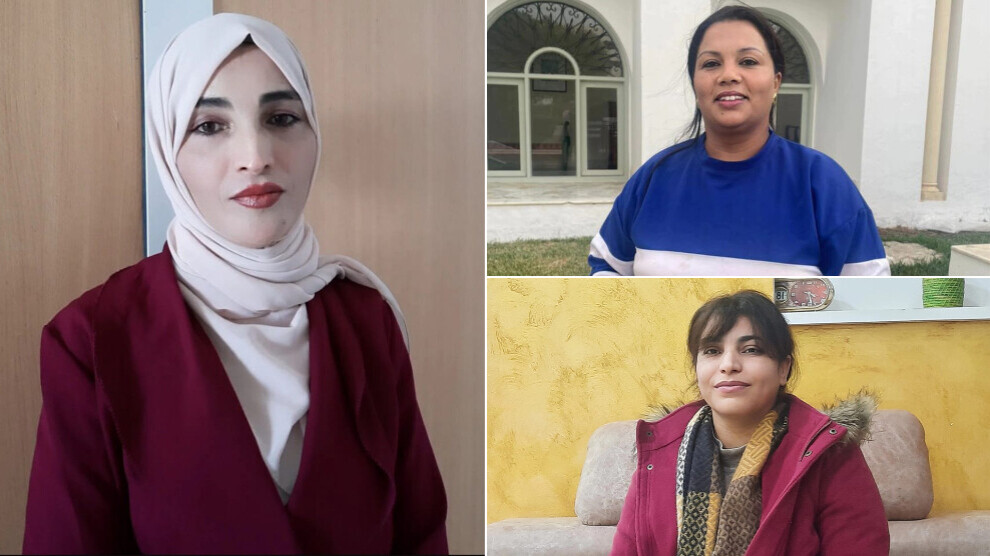
The three speakers agreed that confronting bullying requires joint efforts from families, schools, and civil society, alongside enhancing children’s psychological and social awareness and providing a safe environment that supports their growth and builds self-confidence. Protecting children is a collective responsibility that cannot be neglected under any circumstances.