
War Crimes and Sexual Violations Faced by Palestinian Female Prisoners
Palestinian female prisoners in Israeli jails are subjected to various forms of violations, from intimidation to rape and starvation, necessitating that their files be opened and seriously investigated by human rights bodies.
Rafif Islim
Gaza — Palestinian female prisoners suffer various kinds and torments of torture inside Israeli detention centers, including physical, psychological, and sexual torture, as well as being deprived of food and sleep, and preventing lawyers from visiting them. Consequently, they remain unaware of their own legal status, all amidst the inability of human rights institutions to provide them with any protection.
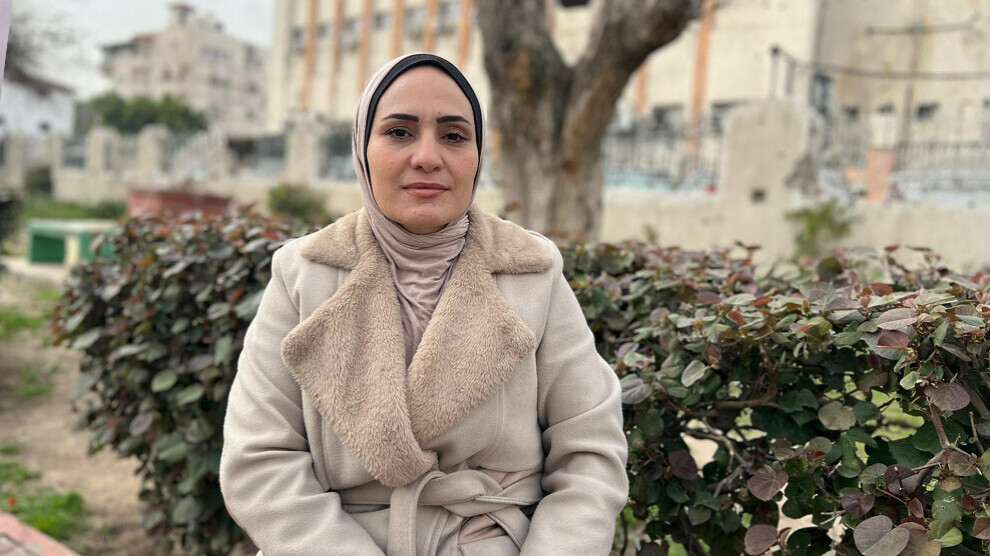
Human rights activist and international law researcher Zainab Al-Khalidi says that there are approximately 11,000 Palestinian prisoners and detainees inside Israeli prisons and detention centers after the October 7, 2023 attack, whereas previously their number was only about 6,000 detainees. "It's not just the number that has changed; the brutality of the Israeli jailer has increased in inventing new methods of torture and violating their dignity."
She explained that the renewed circumstances in the West Bank and the increase in campaigns rejecting military operations against civilians in the sector have significantly contributed to the increase in the number of detainees. "According to the Prisons Service and the Prisoners' Authority, the number of female prisoners in Israeli jails is 66, two of whom have cancer and need follow-up and treatment. Three of this number are minors under the age of 13, and their detention in this manner constitutes a war crime."
Humiliating Detention Conditions Beyond Human Standards
As she confirms, female prisoners are subjected to harsh detention conditions, including "inspection campaigns, humiliating and continuous strip searches, the use of police dogs to terrorize them, confiscation of personal belongings, and transferring them between prisons and sections within short periods so that the prisoner does not feel stable in her place, which exhausts them and weakens the chance of following up on files in sections and courts, not to mention the constant harsh treatment, physical and psychological violations, and deprivation of their basic needs such as being seen by a doctor during illness, and delaying what is known as 'al-fawra' (break time), among other things."
According to Zainab Al-Khalidi, female prisoners are also deprived of food. They are given a small amount that is barely enough for a child, or female soldiers crush the food under their feet and then force the prisoners to eat it since there is no alternative. Lawyers are also prevented from visiting them. "They are harassed by being subjected to interrogation for long hours in extremely uncomfortable sitting or standing positions."
She pointed out that the harshest of these violations that Palestinian female prisoners are subjected to inside Israeli prisons are "sexual violations," such as rape, harassment, and the use of animals, particularly dogs, for that purpose. "What is happening inside these prisons are war crimes and vary between verbal and physical harassment."
Some testimonies of female prisoners confirmed that soldiers also use weapons, such as the barrels of rifles. It happened with one of them that she was completely stripped naked for 48 hours, and several soldiers took turns raping her while she was blindfolded and handcuffed, not knowing who did that to her. This caused her to bleed, and showing her to a doctor was absolutely refused. The other prisoners helped her and provided the necessary aid.
Double Suffering for Prisoners from the Gaza Strip
Female prisoners from the Gaza Strip receive special treatment, meaning they are subjected to brutal forms of torture and cruelty, such as "gang rape and forced stripping," which puts them in an extremely difficult psychological state, causing them to refrain from eating or speaking. Then, female prisoners from the West Bank provide assistance and support to them as much as possible within what is available.
Often, the International Red Cross cannot reach the female prisoners from the Gaza Strip and provide them with support, especially legal support, because the Israeli Prisons Service refuses it. Meanwhile, the situation of prisoners from the West Bank is somewhat better, meaning that visits are permitted, including family or lawyer visits. This raises many question marks about why this harsh treatment is imposed on female prisoners from the Gaza Strip who were detained either while passing through checkpoints or during military operations.
Zainab Al-Khalidi affirmed that "the primary role of human rights centers is to document violations, take testimonies and statements from female prisoners, file cases before local and international courts to prosecute Israeli soldiers, leaders, and perpetrators of these crimes, attempt to restore their rights, follow up on files with the Red Cross, and carry out pressure and advocacy campaigns to highlight the files of female prisoners so they are not consigned to oblivion."
Zainab Al-Khalidi notes that 66 Palestinian female prisoners from the Gaza Strip were detained in a humiliating manner. "The occupation sometimes refuses to reveal their identities or the crimes they are accused of, which constitutes a war crime and a clear violation of international laws.