
Targeting of Aleppo’s Hospitals Reveals Brutal Practices of Jihadists
The districts of Sheikh Maqsoud and Ashrafieh are facing catastrophe following the violent attacks and targeted assaults on hospitals – one of the worst humanitarian crises that the city of Aleppo has experienced in recent times.
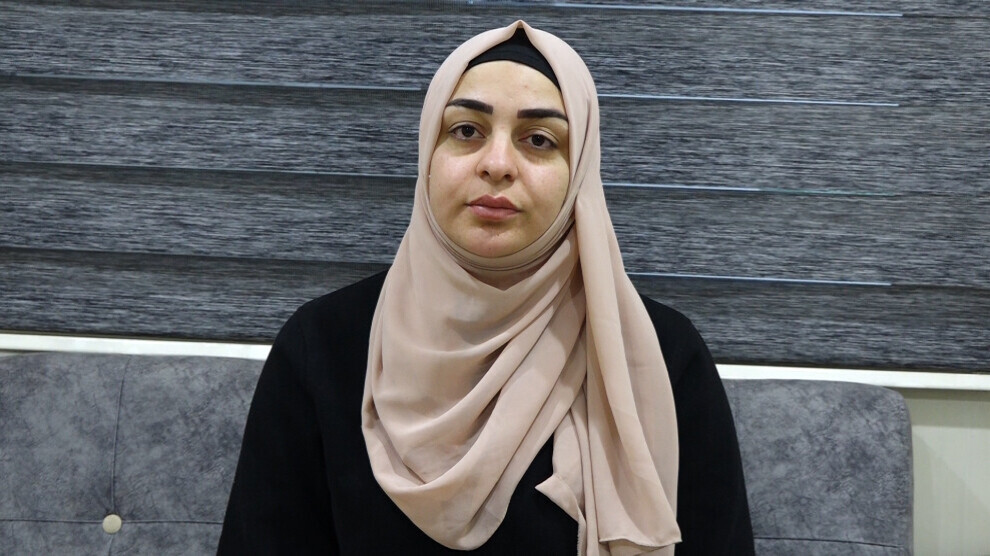
Asma Muhammed
Qamishlo – As a result of attacks by Hayat Tahrir al-Sham (HTS) militants, hospitals in Kurdish neighborhoods of Aleppo, Syria, have been put out of service, leaving thousands of civilians, mostly children, women, and the elderly, facing death after being denied their right to medical care or any humanitarian intervention.
Under crushing siege and relentless attacks, the humanitarian situation in the Sheikh Maqsoud and Ashrafieh districts has deteriorated catastrophically. The attacks by HTS militias have resulted in power outages, the disruption of generator operation, and targeted attacks on hospitals and medical facilities, leading to a near-total paralysis of the healthcare system.
The co-chair of the Kurdish Red Crescent in North and East Syria, Hadiya Abdullah, stated that what is happening goes beyond the consequences of war and constitutes a flagrant violation of the principles of international humanitarian law.
Regarding the medical and logistical resources available in the Sheikh Maqsoud and Ashrafieh neighborhoods, she confirmed that even before the offensive, they suffered from shortages due to the months-long siege, both at Kurdish Red Crescent points and within hospitals. "The scale and intensity of the attacks exceeded all expectations, especially with the direct targeting of health infrastructure and the complete power outage in the area, which led to a near-total paralysis of medical facilities. Hospitals were effectively out of service, particularly after the generators were prevented from operating, depriving the wounded and sick of even the most basic medical care at critical moments."
The humanitarian situation in the two neighborhoods reached catastrophic levels. "Children, women, and the elderly faced compounded suffering, including food shortages, a lack of medicine, and the impossibility of providing urgent medical interventions, in addition to the worsening of injuries and the unavailability of anesthesia, resuscitation, and intensive care supplies."
Tragic Scenes and Grave Violations
She pointed out that these circumstances cannot be described as merely natural consequences of armed conflict, but rather "constitute grave violations of the principles of international humanitarian law, particularly those related to the protection of civilians and medical facilities. The continuation of these violations without accountability threatens to erode global confidence in the international humanitarian system and its supposed role in protecting civilians during wars."
The Kurdish Red Crescent, as Hadiya Abdullah explained, is not demanding exceptional privileges or political concessions, but rather issuing a purely humanitarian appeal focusing on the right of civilians, wherever they may be, to access medical care and basic humanitarian services when they are exposed to danger or injury. "The tragic scenes witnessed in the neighborhood are unbearable for any human being. The protection of human life is an inherent right that cannot be subjected to military or political calculations."
Her remarks were made without any political considerations, emphasizing that the Kurdish Red Crescent, since its establishment in 2019, has continued to fulfill its humanitarian duty in times of both war and peace, providing medical and relief services to thousands of patients and wounded individuals from various ethnicities and backgrounds, without distinction, based on the principles of neutrality, independence, and humanity.
Hadiya Abdullah concluded by calling on the international community and all humanitarian and human rights organizations to break their silence regarding the violations committed against civilians. She stressed the urgent need to document these crimes, hold those responsible accountable, and ensure the transparent dissemination of the truth to the public through various media outlets. This is crucial for saving the lives of the wounded and injured as quickly as possible and for upholding justice and human dignity as inalienable values.
Those wounded during the recent battles in the Sheikh Maqsoud and Ashrafieh neighborhoods of Aleppo, Syria, while repelling attacks by the Turkish-backed Hayat Tahrir al-Sham jihadists, were transferred to the cantons of North and East Syria for treatment. They were received by thousands of people from diverse backgrounds, in scenes reflecting the spirit of solidarity of the people.