
Medicine Shortages and Rising Prices Threaten Women’s Health in Iran
Shortages of medicines and health products, rising diagnostic costs, and shrinking family finances increasingly threaten Iranian women's access to healthcare and hygiene.
ZILAN ATMANI
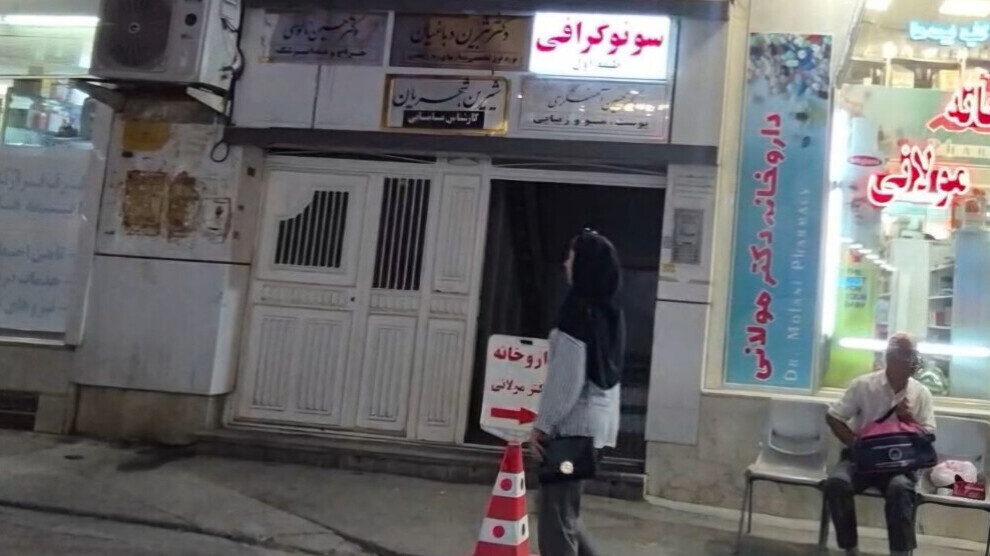
Urmia — Amid the crowding of a pharmacy, the voice of a middle‑aged woman, whose face shows signs of exhaustion, draws more attention as she says: "I left the children, the house, and household affairs a whole day ago. They sent me from Sardasht to Mahabad, and from Mahabad I came to Urmia, and now you tell me not to look for it here and to go to Tehran? What if I don't find it there either?"
This kind of conversation is heard repeatedly these days in most pharmacies in Iran and Eastern Kurdistan, particularly in cities and areas outside major centers. The number of medicine varieties and health products in Iran is decreasing day by day, while the quality of many of these products continues to decline.
This shortage comes at a time when the prices of medicines and health supplies—particularly women's hygiene supplies—have witnessed a notable rise, coinciding with the rising cost of following up on health problems facing women
Hygiene During Menstruation
Among the shelves of health supplies, women's eyes turn—before they search for the brand, type, or even the number of pieces in a package of sanitary pads—first to the prices placed on the top shelves, prices none of which are less than 100,000 tomans.
Shida H., a saleswoman in a local store, says about the change in sanitary pad prices: "The price of some brands rose from about 40,000 tomans to 165,000 tomans, and we have no imported products, because the price of a single package of sanitary pads that previously cost about 160,000 tomans is now approaching one million tomans."
The unavailability of some local brands has also become a problem for women like Sarina S., who says: "Two years ago I used anti‑allergy cotton pads, but for several months they have no longer been available, and they say obtaining raw materials has become difficult."
Some supplies, such as daily sanitary liners, are no longer present at all on store shelves, and their price has become so high that a sales manager at one pharmacy says neither the buyer nor the seller is able to provide it. In contrast, demand has increased for washable pads and old cloths used instead of sanitary pads due to the high prices of the latter—a matter that, if hygiene rules are not observed, may lead to health problems such as reproductive tract infections, skin problems, urinary burning, and others
Physical Illnesses and the Difficulty of Diagnosis and Treatment
Women's follow‑up on their physical health conditions has also become more difficult amid high prices and deteriorating living conditions. Naghmeh Z., a specialist in obstetrics and gynecology, says: "The rising cost of diagnostic services has increasingly pushed patients to search for multiple treatments, so they can avoid undergoing tests due to their high cost. The cost of a simple ultrasound of the uterus and ovaries approaches one million tomans, while the cost of a cervical smear is about three million tomans."
The shortage of some medicines, such as simple hormonal drugs or medicines related to women's cancers, "pushes patients, especially in cities and areas outside major centers, to head toward provincial centers or Tehran, and even to informal markets and neighboring countries."
According to the doctor, the number of patients undergoing emergency surgeries has also increased after they postponed their treatment due to these conditions.
Mental Health Patients... Women on the Margins Are Darker
The unavailability of psychiatric medicines constitutes a great burden on patients suffering from psychological and neurological disorders. Although some psychiatric medicines have witnessed shortages in markets at different times, alternatives were available then. Now, even alternative medicines have become very rare or subject to rationing and quotas.
Kaziva M., whose mother suffers from schizophrenia after experiencing a severe emotional shock, believes the medicine shortage was the beginning of deeper suffering within the family: "My mother must take six pills daily, but the medicine shortage led to reducing the dose she takes and making it irregular."
According to her, her mother was admitted to the hospital again last month after her psychological symptoms worsened and she harmed herself.
With the outbreak of war and the tightening of sanctions on Iran, access to treatment has become more difficult for many patients. Officials say the situation is still heading toward further deterioration, which increasingly exposes women—who already faced greater obstacles in accessing health services—to the risk of abandoning or not completing treatment, with the resulting risks threatening their health and lives.