
Kermanshah... Rising Smoking and Drug Use Among Youth Raises Concerns
Rising tobacco and drug consumption among adolescents in Kermanshah,particularly girls, has sparked growing concern over a declining age of additction, driven by poverty, social pressures, easy drug Access, and weak oversigh.
SARA POURKHAZRI
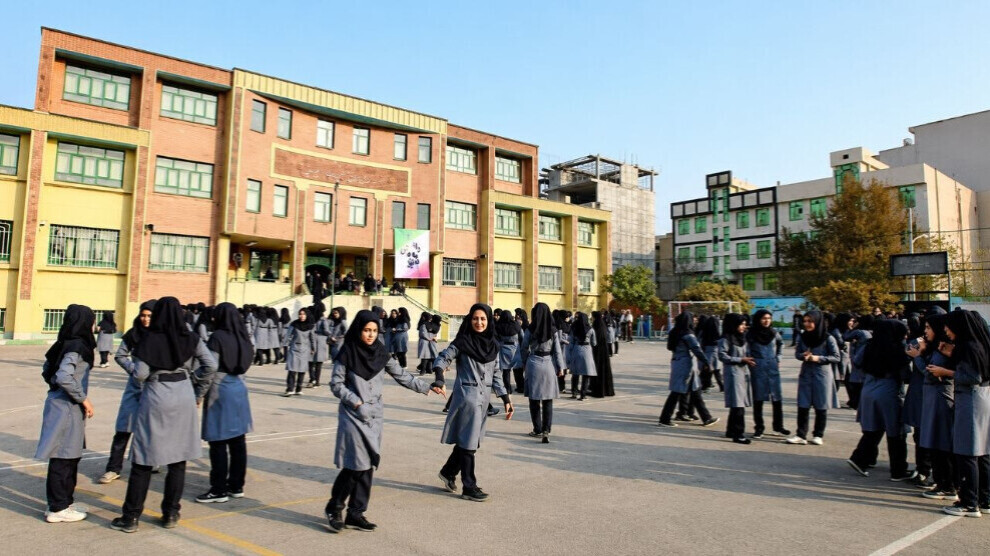
Kermanshah — Instead of holding a pen or a book, the fingers of many adolescents and young people in Kermanshah, eastern Kurdistan, now hold a cigarette, an e-cigarette, or a hookah pipe — a scene reflecting the growing consumption of tobacco and drugs among young people, particularly girls. This reality raises growing concern over a declining age of drug use in a province that has for years suffered from high rates of poverty, addiction, service shortages, marginalization, and domestic violence.
Field observations and unofficial reports point to a rising number of teenage girls turning to smoking and the use of certain drugs, although no precise official statistics exist on the scale of the phenomenon among schoolgirls. Local sources also speak of the growing spread of cigarettes and hookah use, alongside more dangerous patterns of substance use, which could serve as a gateway to addiction to more dangerous substances.
A Declining Age of Substance Use
Shahin R., an employee at Kermanshah's Mohammad Hospital, says smoking among girls under the age of 15 has seen a notable rise: "More than 60 percent of the girls between the ages of 12 and 16 who come to the hospital smoke at least 20 cigarettes a week, meaning an average of three cigarettes a day. Most of them smoke outside the home, and many grew up in families with addicts, which made smoking a normal behavior for them."
She added that the issue isn't limited to cigarettes, as a significant number of these girls also use marijuana, considering this to pose a major risk and a potential gateway to more severe forms of addiction.
Data and circulating sources indicate that more than half of drug users in Iran and East Kurdistan are between the ages of 15 and 29, reflecting growing concern over the spread of smoking and drug use among adolescents, particularly schoolchildren. This is attributed to several factors, including easy access to substances, weak oversight around schools, academic and family pressures, and the absence of effective counseling and psychological support services.
Some adolescents also turn to substance use as an escape from anxiety, out of curiosity and a desire for thrill-seeking, or in pursuit of social acceptance. For girls specifically, social pressures, restrictions on social relationships, and the desire for independence or self-affirmation contribute to this tendency, amid the absence of effective prevention programs.
This report touches on substance use among minors, a sensitive topic. If you or someone you know is affected by this personally, I'm glad to help you find appropriate support resources.
Poverty and Social Pressures
Farnaz F., a psychology student in Kermanshah, believes adolescence is the most sensitive stage in shaping individuals' tendencies, noting that the economic crisis stands as one of the most prominent problems facing the province: "A large proportion of schoolchildren in Kermanshah come from poor families, and this factor's impact cannot be ignored. At this stage of life, adolescents need to try new experiences and satisfy their need for stimulation."
She noted: "When girls face intense pressure within the family, made worse by poverty, they turn to school — but the school environment, in turn, doesn't provide them with a safe space; instead, it adds further pressure, pushing some of them toward the simplest available forms of escape, which are smoking or drug use."
Accounts of Easy Access to Drugs
Some landowners reported that marijuana cultivation, particularly poppy, still takes place in some areas, despite an official ban, and spoke of certain authorities turning a blind eye to the activity of drug distributors in the province. Local accounts suggest that some tobacco shops in Kermanshah don't limit themselves to selling cigarettes and tobacco, but are also accused of secretly selling drugs and psychoactive substances.
A Shop Owner's Testimony
Mastaneh H., who runs a shop with her husband in Kermanshah, recounts her experience: "At the start of July, our shop relocated to a new site, right next to a tobacco shop. From the very first days, we noticed large numbers of girls and boys coming and going, most of them school-age. After a short while, we began to notice that the shop wasn't just selling tobacco — it was also secretly selling drugs and psychoactive substances."
She added that she and her husband decided to report it to the police station, thinking the matter involved a drug dealer, but a police officer who came to the scene told them the shop owner was "one of their acquaintances," warning them against getting involved — which led her to believe the shop enjoyed protection allowing it to continue its activity without fear of legal consequences.
Based on this testimony, it can be said that the worsening addiction phenomenon among young people in Kermanshah is not linked solely to psychological, social, and economic factors, but also involves negligence — or even complicity — on the part of certain official bodies in confronting the spread of drugs.