
Afrin Between the Memory of War and the Road to Return
Despite harsh camp conditions and years of blockade, Afrin’s displaced kept hope alive; today, their long-awaited return is becoming reality, opening a new chapter.
Silva Ibrahim
Kobani — On the eighth anniversary of the forced displacement of the people of Afrin, which falls on March 18, residents are preparing to return to their homes after years of suffering that began with the Turkish occupation of the region in 2018. While this occasion revives memories of pain and displacement, this year it carries a new glimmer of hope for a dignified return, following years of resilience and determination to reclaim their right to return.
As the people of Afrin prepare to go back to their homes after years of displacement, the dark memory of March 18 looms once again, reviving the painful journey that began with the occupation. However, this year is different from previous ones, following the January 29, 2026 agreement, one of whose provisions stipulates the return of Afrin’s displaced residents to their homes while preserving their dignity and legal rights. This has transformed this dark memory into a “Newroz” that brings with it victory and a spring after years of pain, resistance, and great sacrifices.
Roots in the Land and Resistance Against Injustice
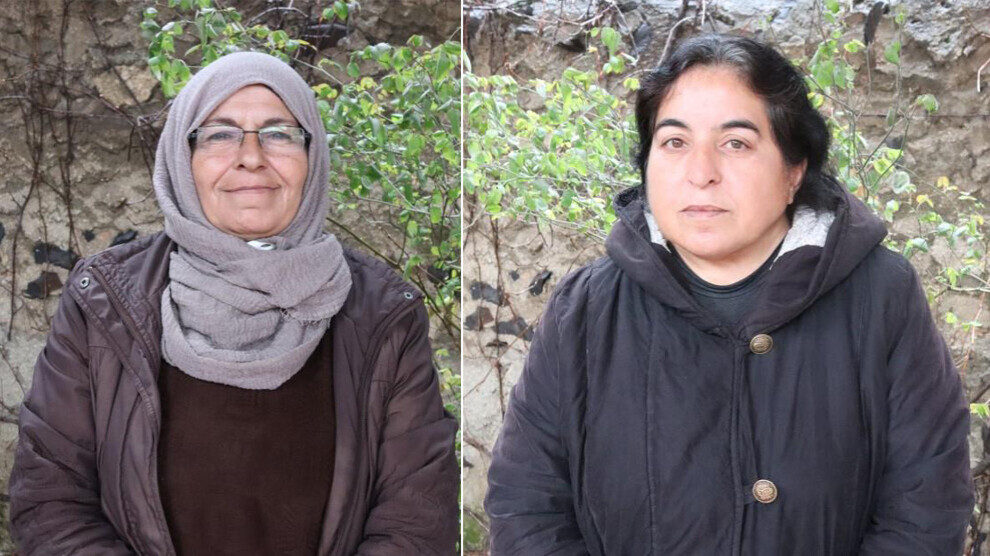
Wahida Khalil, a displaced woman from Afrin, describes her people as deeply connected to their land and culture, lovers of nature, and possessing strong environmental awareness and social organization. She notes that Afrin’s residents embrace the concept of the Democratic Nation, based on the philosophy of Abdullah Öcalan, which promotes coexistence among peoples and women’s freedom.
She recalls the events of 2018, when Afrin faced a ground assault by Turkish forces, stating that the targeting of the city was not random but a result of its pioneering social organization. Afrin was the first city to establish communes, implement the co-chair system, and form Women’s Protection Units. It was also a safe haven for displaced people from across Syria.
Khalil believes that this social model stood in contrast to the policies of dominant states that seek to weaken societies, while the Democratic Nation project aims to empower communities to govern themselves. She considers the attack on Afrin an extension of the broader conspiracy against this model, embodied in the targeting of Öcalan, asserting that the assault aimed to dismantle a system that had proven its resilience and effectiveness.
She adds that the attack involved various types of weapons and widespread violations against civilians, along with the use of special warfare tactics. She also notes that Turkish President Recep Tayyip Erdoğan attempted to claim that the city was empty, but residents took to the streets in massive numbers to refute these claims. The unity between civilians and fighters enabled resistance for 58 days, marking one of the most notable episodes of resilience in the region.
Waves of Displacement: Suffering and Resilience
Khalil also addressed the situation of Afrin’s residents after their forced displacement, explaining that they endured harsh conditions in Shahba camps under a strict blockade imposed by the Syrian government, lacking basic necessities for years.
She added that residents endured six years under these conditions, hoping to return, but were subjected to further attacks by Turkish forces and affiliated groups, forcing them to flee again toward northeastern Syria. She noted that Afrin’s residents consistently sought refuge in areas where the Democratic Nation model was implemented, as they found in it a space for dignity and freedom, but continued hostilities forced them into repeated displacement.
Khalil emphasized that the return of Afrin’s residents came after eight years of resistance, stating: “This return has revived joy in our hearts, just as Newroz brings happiness mixed with victory to the hearts of Kurds.”
The Afrin Woman: A Symbol of Resilience and Hope
Hamida Mohammad, another displaced woman from Afrin, explained that the people of Afrin endured eight years of difficult displacement, yet their women never surrendered to these harsh conditions. Instead, they resisted both on the frontlines and in protection roles, stressing that their sacrifices renewed hope among the displaced.
She also spoke about Afrin’s nature and the violations that affected its environment and historical landmarks. Afrin is considered a cradle of Hurrian civilization and includes archaeological sites such as Nabi Huri, Barsa Khatun, and Tell Andar. It is also associated with the ancient goddess Ishtar. These sites, she noted, were not spared from violations by factions affiliated with Turkish forces, just as the region’s famous olive trees were heavily cut down.
She pointed out that residents who remained in Afrin faced various forms of abuse, including kidnapping, killing, and repeated assaults, with women bearing a large share of the suffering. However, she expressed confidence that Afrin will recover and life will return, thanks to the leading role of women in rebuilding and restoring vitality to both land and community.
Returning to Afrin: A Dream Realized After Eight Years
Hamida Mohammad also spoke about the deep longing of Afrin’s children for their city, which they grew up hearing about but never saw. She described their endless curiosity, quoting them as saying: “We will walk along Afrin’s rivers in spring and take pride in its beauty and mountains,” and asking, “What will it be like to finally meet Afrin?”
She explained that this love was instilled by mothers who described Afrin with deep affection, so children grew up carrying its image in their hearts, eagerly awaiting their return.
She confirmed that the hope of return has become a reality thanks to the sacrifices of martyrs and the resilience of forces that protected the people. She added that residents are determined to rebuild their city, plant trees, and revive destroyed neighborhoods, saying: “Even if nothing remains of Afrin but its soil, we will make it bloom again as it once did.”
She emphasized that Afrin’s women, as descendants of Ishtar and Inanna and with a long history of leadership and organization, will be at the forefront of reconstruction. Their love for their city will be the driving force behind restoring life to its stones and trees.
With the launch of the first return convoys, including around 400 families who have already returned after years of forced displacement, hope is renewed that the city will gradually regain its vitality. In the coming days, more displaced families are expected to return in stages, marking a step toward restoring normal life and opening a new chapter for the people of Afrin—who carried their city in their hearts throughout years of absence and now return to write a new story of resilience and rebuilding.