
A Small Cart Turned into a Source of Livelihood and a Project to Support Women in Sulaymaniyah
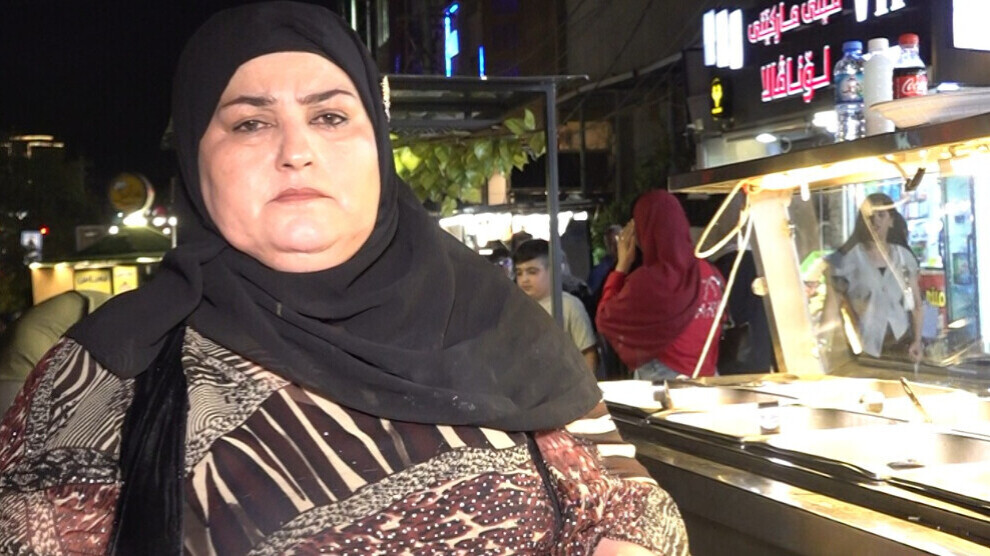
On Salem Street in Sulaymaniyah, Jeyman Raouf serves traditional dishes from a small cart that has become a lifeline for her family — a testament to how one woman turned her home cooking skills into a thriving business.
DIREN RAHIM
Sulaymaniyah — In recent years, the labor market in the Kurdistan Region has seen a steady rise in women launching small projects to secure independent incomes. Among them is Jeyman Raouf, a Sulaymaniyah native who chose to cook and sell traditional Kurdish food from a cart on Salem Street — locally known as "Sawq al-Suhula" (the Easy Market).
Every day, Jeyman welcomes customers eager to taste authentic Kurdish dishes. What started as a household skill has become her main source of income — a small venture that now supports her family and offers a model of self-reliance for other women.
From the Home Kitchen to the Public Market
A mother of three, Jeyman Raouf was always known among family and friends for her talent in preparing traditional Kurdish meals. Eventually, she decided to turn that talent into a business — moving from cooking inside her home to serving customers on one of the city's busiest streets.
She says her choice of Salem Street was no coincidence. The area is a well-known hub in Sulaymaniyah, frequented by locals and visitors alike.
"In Sulaymaniyah, especially on Sawq al-Suhula Street, this place isn't just a source of income for many business owners — it has also become a popular destination for visitors," she said. "Many people who come to the city make a point of stopping here to try the food and drinks."
She has been working from her cart on this street for years. The project, she says, has given her financial independence — and has even allowed her to help others find work.
Traditional Kurdish Dishes, Served Daily
Jeyman prepares most of the food herself, with help from her husband and children. The family works together every evening from 7:00 p.m. until midnight.
"I have been working from this cart for several years now," she explains. "My husband, my children, and I work here together. We serve traditional Kurdish dishes — including kafta Sabonkeran, yaprak (stuffed vine leaves), sawur, qar kharman, various types of rice, shifta, kafta, kibbeh, balbina, soup, and a selection of drinks."
Creating Jobs and Encouraging Women
Jeyman says her work has done more than provide for her family — it has also allowed her to create jobs for others.
"I feel happy that I have been able to offer work opportunities to several young people," she said. "They now depend on themselves. I hope that women, too, can stand on their own feet and work according to their abilities."
She credits her family's cooperation and the encouragement of her customers for keeping the project going.
"I Want to Change How People See Women's Work"
Speaking about her customers, Jeyman says the growing demand — especially from people coming from faraway places — has been a powerful motivation.
"Many people come from distant areas just to eat here," she said. "That gives me great confidence. The support of my customers and my family has been crucial to my continuity."
She acknowledges that society's views on women working have gradually shifted — but says more acceptance is still needed.
"In the past, there was an unfair perception of women's work," she said. "Through my work, I want to show that women are just as capable of owning and successfully managing their own projects."
A Call for Self-Reliance
Despite occasional criticism from some people, Jeyman remains determined to continue.
"I do face criticism sometimes," she admits, "but I keep going. I encourage women to rely on themselves and work toward their goals — because success requires persistence and willpower."