
Domestic violence against girls is an ongoing dilemma requiring urgent solutions
Killings of girls in Algerian families reveal dangerous domestic violence escalation, fragile protection, weak early intervention, urging urgent strengthening of underage girl’s protection and reporting mechanisms.
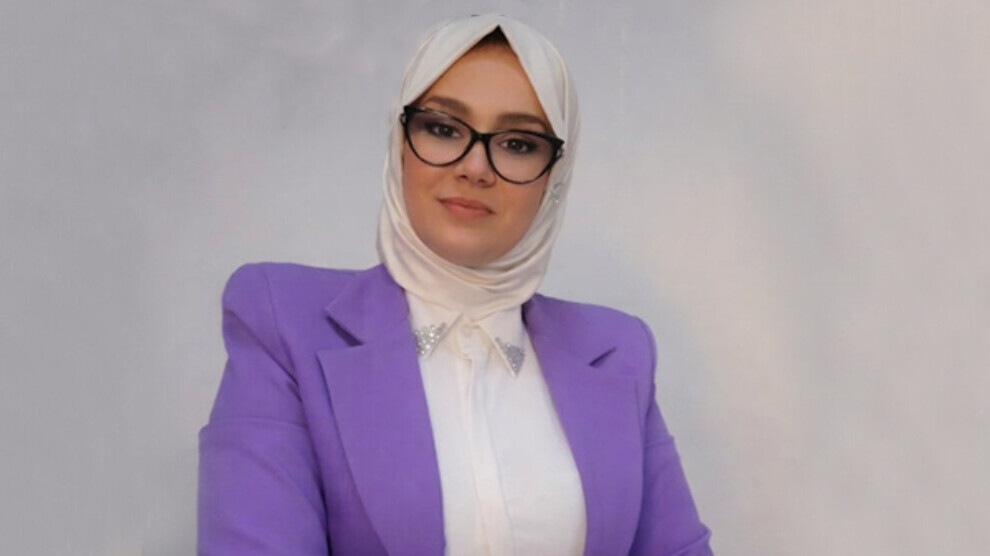
Rabia Kharis
Algeria _ April 2026 was not an ordinary month. Alerian feminist associations documented the continuation of femicide: 7 women were killed, including girls killed by their fathers, raising urgent questions. What are the causes and motives of these crimes within the family, which is supposed to establish healthy behaviors and mental health in society as a whole? What are the features and characteristics of the perpetrator and the victim, and the repercussions of the crime on the family environment?
During the period from April 2 to 8, 7 murders occurred inside Algerian families. Among the victims were two young girls. In early April, the city Batna was shaken by a family tragedy: a father in his forties killed his daughter and burned another, who is currently in intensive care.
Tragic stories
According to available information, the perpetrator invited his two daughters, who were staying at their uncle's house (they wanted to live there after their mother's death and their father's remarriage), and killed his youngest daughter, 12 years old, dismembered her, and buried her on the balcony of his home, while setting fire to the second child, 8 years old, who managed to escape to the nearest police station to report the crime.
The second family tragedy occurred in the town of Chatt. A father killed his daughter, about 17 years old, a high school student preparing for her baccalaureate exams. The crime took place inside the family home, where the father beat her severely, causing her death.
At the end of last January, the town of Sidi Akkacha in Chlef was shaken by a crime that caused a strong shock among feminist and human rights activists, who demanded urgent protection for girls at risk, immediate shelter, effective removal of the perpetrator of violence, and immediate activation of child protection mechanisms. The case involves Asma Oumima Moumna, 16 years old, who was killed by her father using a "madra" (a sharp agricultural tool). He struck her repeatedly, causing severe and serious injuries and deformities all over her body.
The tragedy of Hanan and Amima reminds us of many equally horrific family tragedies, most notably the story of the two sisters Iman Bounouifa, 26 years old, a psychology student, and her younger sister Moulay Bounouifa (18 years old), who died at the hands of their father. This heinous crime was a continuation of the first crime committed 16 years earlier, when he killed his wife, in her thirties, who was eight months pregnant. She died in front of her daughters Iman (11 years old at the time) and Moulay (3 years old). After his release from prison, the two sisters were forced to return to live under the same roof with their father, unaware that they would face the same scenario as their mother.
A phenomenon not new
The killing of girls, as happened with Hanan, Amima, Iman, and Moulay, is not merely "random incidents" or "isolated tragedies"; it clearly reveals the dangers and consequences of accumulated violence within the family space, where protection should be at its highest level.
In her analysis of the institutional factors that support the spread of this phenomenon, Soumaya Ghazouli, a family counselor and feminist activist, says: "This phenomenon is not new in society; it is an extension of many years. But there is a difference between past and present. In the past, cases of abuse, especially of underage girls, remained confined within walls due to threats, fear, or family pressures that imposed silence to preserve the family's reputation, or the absence of reporting channels."
Today, she believes that social media "has broken the silence about violence, especially domestic and gender‑based violence, giving the impression of a rise in the phenomenon." However, she says, one cannot deny the existence of certain factors that have indeed contributed to its exacerbation, such as social and economic pressures, which are major drivers of violence, in addition to weak protection and deterrence mechanisms, starting with believing the victims' statements and dealing seriously with every warning to ensure their safety. These are the same demands previously put forward by the groups "No to the Killing of Women in Algeria" and "The Institution for the Promotion of Rights," which stressed the need for urgent protection for girls at risk by ensuring immediate shelter, effective removal of the perpetrator of violence, and immediate activation of child protection mechanisms.
What is needed today?
According to statistics from the group "No to the Killing of Women in Algeria," more than 394 femicides have been recorded since 2018, with the group affirming that this number represents the minimum, and the real number of victims in the country is much higher due to the difficulty of accessing and counting the remaining cases.
Soumaya Ghazouli points to another factor no less important than the others: "the mentality of society and the masculine culture still used in some environments to control girls. One of the most prominent justifications used to legitimize violence is that the girl is the one who pushes her father and brother to practice violence against her." She recalled the most common phrase: "Hiya waash dart" (What fault did the girl commit?). Therefore, she says, "the surrounding environment plays a prominent role in feeding this phenomenon and reinforcing aggressive behaviors."
In her deep analysis of the shortcomings in the protection system, she says: "The problem is not the existence of laws but their actual application on the ground, in addition to the lack of reporting mechanisms and immediate protection."
Soumaya Ghazouli stresses the need to strengthen legal protection mechanisms through strict application of laws, speeding up reporting procedures, and caring for victims while ensuring their protection from pressures and threats, emphasizing the importance of providing safe spaces and listening cells to reduce violence and protect vulnerable groups, especially girls.