
Music in Tunisian Voices... Women Confronting Stereotypes
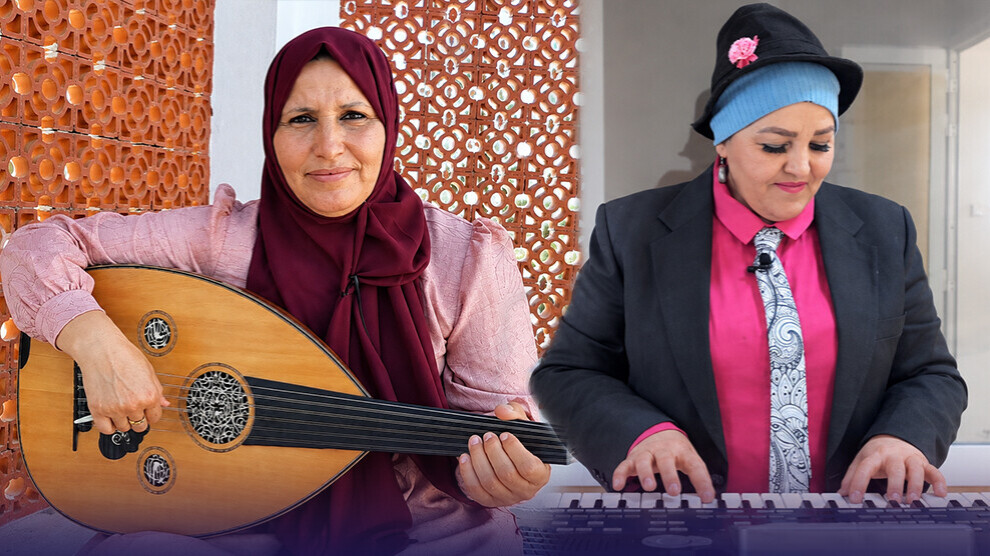
Music teacher Aisha Haji recounts her experience with art and her challenge to stereotypes, while Sanaa Al-Aati addresses the role of this art in women's daily lives.
IKHLAS AL-HAMROUNI
TUNISIA – In the face of the pressures of daily life and social restrictions, some women find in music a space for self-expression and building self-confidence, while others choose to transform their passion for it into a professional path, despite the stereotypes associated with art and women's role in society.
In Tunisia, the experience of music teacher Aisha Haji reflects this path, as she speaks about the role of music in helping her overcome shyness and confront social difficulties, while Sanaa Al-Aati, a music practitioner, addresses the presence of this art in women's daily lives, and the possibilities it offers for expressing feelings and discovering capabilities.
From Shyness to Teaching Music
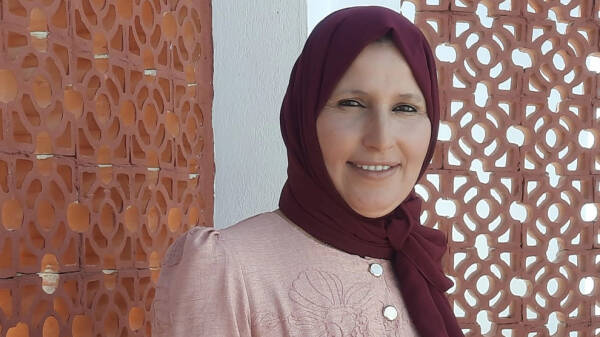
Aisha Haji began her professional career in music in 2009, when she headed to the Regional Institute of Music in Sfax and signed a work contract with it, before working in private schools and culture houses.
She says that music brought about a transformation in her personal life, after she had been extremely shy, introverted, and hesitant in making decisions. According to her experience, it helped her gain self-confidence, confront challenges, and speak before an audience.
She recalls the period of preparing for the baccalaureate exams, when she faced psychological pressures and severe headaches that pushed her to consult a doctor, noting that music had a positive impact during that phase, and helped her restore her energy and organize her priorities.
The difficulties she faced were not limited to her personal experience, as she collided with a social view that reduces music to dancing and clapping, without recognizing its artistic value. Despite the lack of acceptance she faced in her surroundings, she continued her studies until she became a music teacher.
Aisha Haji says that she is the first female music teacher in the Hassi El Ferid delegation in Sidi Bouzid governorate, noting that the number of female teachers in this field in the region does not exceed two: herself and her sister.
She believes that this social view reflects the continuation of perceptions that do not encourage women to practice some arts, confirming that music gave her a space to express herself and confront her fears, calling on women to dedicate time to music in their daily lives, whether by practicing it or listening to it.
Music in the Details of Daily Life
Unlike Aisha Haji's experience, which linked music to a professional path, Sanaa Al-Aati, an employee in public administration and a music practitioner, addresses the presence of this art in women's daily lives, considering that it can constitute an outlet in the face of daily burdens and family and social responsibilities.
She explains that the ways of interacting with music differ from one woman to another, according to what she prefers and finds suitable for her. Benefiting from it is not limited to female players or art practitioners, but also includes listening to rhythm and participating in musical activities, which allow women to express their feelings and exit the pressures of daily life. She notes the existence of music clubs that women resort to to interact with this art.

She notes that practicing music may allow a woman to discover her capabilities, especially if she had not previously found an opportunity to show or develop her talent. On the other hand, stereotypes remain among the challenges facing women in some artistic fields, especially dance and folk art, due to social judgments associated with women's practice of these arts.
She affirms women's right to choose the art that suits them, calling for dealing with arts as multiple fields whose practices should not be judged based on preconceived perceptions about women's role or image in society.
Sanaa Al-Aati concludes her interview by calling on women to enjoy life and create positive energy, saying: "Enjoy life, create positive energy, and let music be our companion every day."
Between Aisha Haji's experience, which was linked to overcoming shyness and building a professional path, and Sanaa Al-Aati's vision of music as part of daily life, the importance of music in confronting social stereotypes and providing space for women to express themselves and choose their artistic interests stands out.