
Kobani Artists Participate for the First Time in Syria's Festivals
For the first time, Kobani artistic groups participated in Aleppo and Hama festivals, presenting Kurdish music and folklore amid audience interaction, highlighting their culture and Syrian diversity.
BARJAM JODI
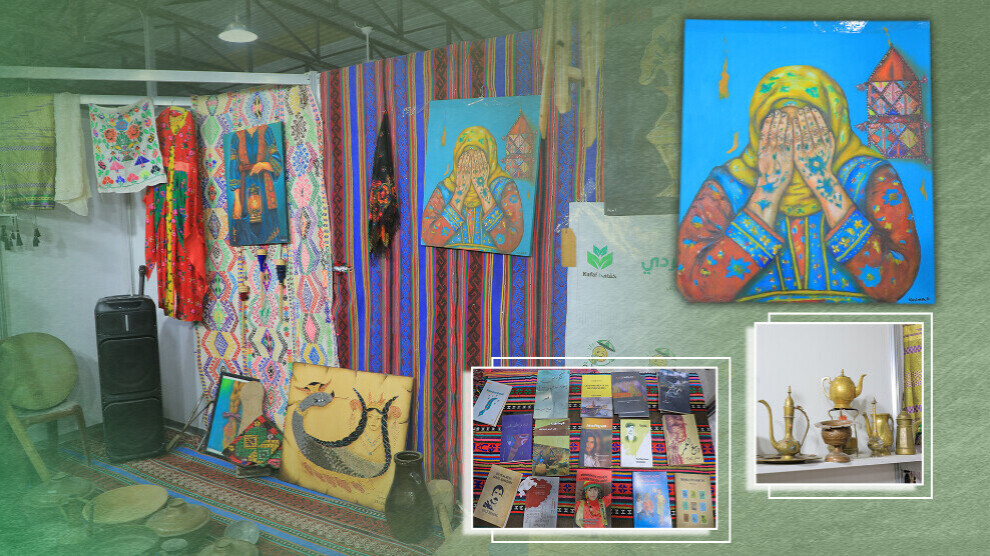
Kobani – Artistic and cultural groups from the city of Kobani in Rojava participated, for the first time, in a number of cultural and artistic festivals and exhibitions held in the cities of Aleppo and Hama during the months of August and September, organized by the Syrian Ministry of Culture.
These events witnessed the participation of a number of Kurdish artistic groups, including musical and folkloric groups from Kobani affiliated with the Hilal Zirin Movement and the Baqi Khdo Center for Culture and Art. This participation represented a new experience for the artists coming from Kobani, who presented their arts, music, and folklore before audiences in different Syrian cities.
Our agency's correspondent followed the experience of these groups and the atmosphere of their participation in the festivals, and met with a number of male and female artists to talk about their first experience, and about the audience's interaction with Kurdish culture and art.
"Our Culture Added Color to Aleppo Citadel"
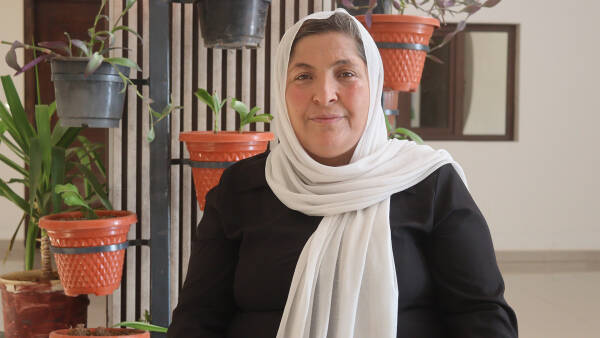
Actress Laila Ahmed, a member of the Baqi Khdo Center for Culture and Art, spoke about her participation in the Aleppo events, expressing the importance of presenting Kobani's culture and arts on such occasions.
She said that they carried Kobani's culture with them to Aleppo, through their costumes, language, and arts, noting that the interaction of the residents was remarkable, as many showed interest in learning about the meanings of the costumes, symbols, and songs presented by the Kurdish groups.
Laila Ahmed explained that the existence of multiple components and cultures in Syria makes such events an opportunity for mutual acquaintance and highlighting cultural diversity, adding that the people of Aleppo expressed to them that the Kurdish participation added a different and remarkable color to the cultural scene in the city.
"We Proved Our Existence"
Laila Ahmed explained that the participation of the Kobani group aroused great interest among those present. She said that people were constantly asking them about the meanings of the costumes they wear, the content of the songs they present, and the meanings of the symbols they use.
She added that this interest created a distinctive atmosphere in the exhibitions and festivals, where they were able to see the convergence of Syrian cultures with one another and the emergence of their diversity clearly.
Laila Ahmed said that their move from Kobani to Aleppo with their identity, language, and culture made them feel great pride, adding that they were able to leave their mark in Aleppo and present an authentic Kurdish tableau, which made them feel proud.
"Syria's Strength Is in Its Diversity"
In the same context, Laila Ahmed confirmed that Syria's diversity represents its primary source of strength, noting that building a successful future for Syria, given its richness and diversity, requires that all its components have a role and effective participation.
She said that seeing Kurds, Arabs, Turkmens, Syriacs, Armenians, and Circassians on the same stage, embracing one another, reflects the reality of Syria and its diversity. She noted that the message she wants to convey is that what will make Syria strong and advanced is its national and cultural diversity.

"Our Presence Among the People of Hama Created a Different Atmosphere"
On the other hand, singer Shirin Ararat, a member of the Hilal Zirin Movement in Kobani city, spoke specifically about her participation in the "Hama Spring" festival, noting the participation of artistic groups and dabke groups from Kobani in the Aleppo and "Hama Spring" festivals.
She explained that the people of Aleppo have been communicating with Kurds for many long years, and therefore have some knowledge of Kurdish culture and art, but the situation in Hama city was different.
Shirin Ararat said that Kurdish folklore, culture, and art appeared as new and interesting matters to the people of Hama. She noted that they showed great amazement and told them that their participation created a different atmosphere.
"Kurdish Women's Culture and Art Will Be Known Throughout Syria"
Shirin Ararat pointed out that the participation of a large number of female artists in the festival was among the remarkable aspects, as they presented their songs, music, dabke, and their own colors.
She said that this participation made them live a different feeling on stage, as it was the first time they presented their art before a new audience. She added that the participants' interaction with the songs she presented was good, and that enthusiasm was clear among them.
She confirmed that such festivals will continue in the coming period, adding: "We, as Kurdish women from all parts of Rojava, will share our color and voice with all parts of Syria, and we will introduce our culture and art."