
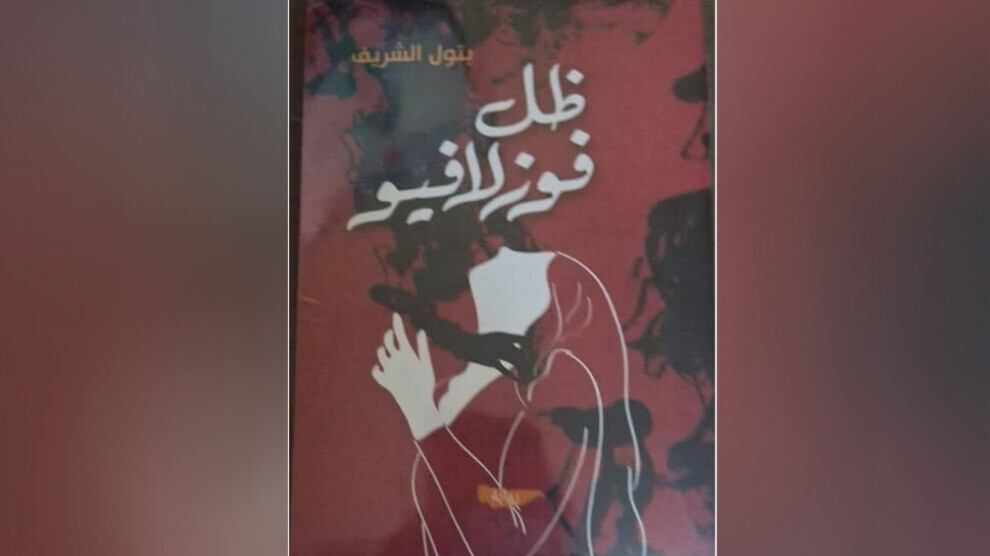
"Shadow of Fozlavio" – A novel revealing the pain of Sudanese women in a society governed by customs
Batool Al-Sharif's bold novel, inspired by Sudanese women's reality, uncovers their struggle with restrictive customs and stolen dreams, highlighting harsh social practices that besiege them between silence and deprivation.
Mirfat Abdel Qader
Sudan — "As if women were destined only to whisper, until they forgot how to scream. Perhaps even when they suffer, they swallow their screams in burning silence, so that wounds open within souls tainted by beliefs that have robbed them of life." With these words, Sudanese novelist Batool Al-Sharif begins her novel "Shadow of Fozlavio," revealing the oppression Sudanese women face that restricts their right to live a normal life, and how customs and traditions turn into a wall standing between them and their dreams, robbing them of their freedom and opportunities to be as they wish.
Regarding her novel and its main themes, writer Batool Al-Sharif explained that "Shadow of Fozlavio" is inspired by a reality she herself was part of in Sudan—a reality in which women are oppressed under the weight of customs and traditions. She said that through the novel, she sought to highlight this suffering in a literary style that touches the truth and reveals the restrictions women face that deny them their right to a full life.
The novel revolves around a conflict between three generations: the grandmother's generation (Al-Habouba), which clings strongly to customs, traditions, and social heritage; the mother's generation; and the granddaughter (Maimouna), who strives to break these restrictions and change practices that favor men and oppress women.
Rituals and beliefs that besiege women in long silence
In her novel, Batool Al-Sharif addresses one of the harshest customs in Sudanese society: female genital mutilation (FGM), considering it one of the worst practices still imposed on women. Despite the efforts of feminist associations to combat it, a large part of Sudanese society remains attached to it to this day. She pointed out that the matter may often reach the point of divorce if a husband discovers that his wife has not been circumcised, or he may insist that she undergo the procedure after marriage.
She also explained that she addressed in her novel the custom of "Zar," a practice that compels women when ill to perform special rituals instead of seeing a doctor. These rituals involve offering sacrifices or exorcisms in the hope of healing, as some women believe they are more susceptible to possession by spirits, and that if they do not satisfy these spirits with rituals, they will take revenge and they will never recover. She noted that this custom has begun to decline in recent years due to efforts to combat it and increasing awareness among women of their rights and modern medicine, but some communities, especially in rural and remote villages, still cling to it.
Batool Al-Sharif also indicated that she addressed in her novel the issue of child marriage, one of the most burdensome practices that weighs heavily on girls, denying them the right to their childhood and natural psychological and physical maturity. A girl is married off at a very young age, at a time when she does not understand the meaning of marriage nor is she prepared to bear its responsibilities, causing many of these marriages to end in divorce and family breakdown.
A reality that weighs heavily on Sudanese women
She also affirms that there are communities and regions in Sudan that still absolutely reject the education of women, as educating a girl is seen as a source of shame. If she is allowed to learn, it often does not go beyond reading, writing, and some basic religious knowledge. For this reason, she devoted ample space in her novel to the issue of education, highlighting a reality in which a large percentage of women still suffer from ignorance, sometimes only being allowed to learn to write their names.
The novel also sheds light on the issue of harassment, where Sudanese society blames the woman, and some justify the harasser's action by saying that women should stay at home and not go out to avoid being harassed. It also reflects how society treats the victim of harassment as a criminal, and those who speak out about being harassed are condemned and considered to have deviated from the norm and brought "shame and scandal" to their families by such disclosure.
Regarding the acceptance of this novel by Sudanese society, which attempts to shed light on women's stolen rights, novelist Batool Al-Sharif said she does not want to control people's opinions about the novel, but she tried to change societal perspectives on many customs that oppress women in Sudan. She expects the rejection rate to be high, but she will not despair in her attempts until women in Sudan attain their rights.