
Women's Work in Yemen... A Transformation Beyond Earning a Livelihood, reflecting a Profound Social Change
In the city of Aden, suffering has transformed into entrepreneurship, and absence into a powerful female presence in the field. The conflict has forced a traditionally insular society to accept women's work.
Fatima Rashad
Aden — The conflict in Yemen has produced a new demographic and economic reality in Aden governorate. With the absence of the breadwinner in some families, women have found themselves directly confronting the demands of survival and in its markets, which are trying to catch their breath.
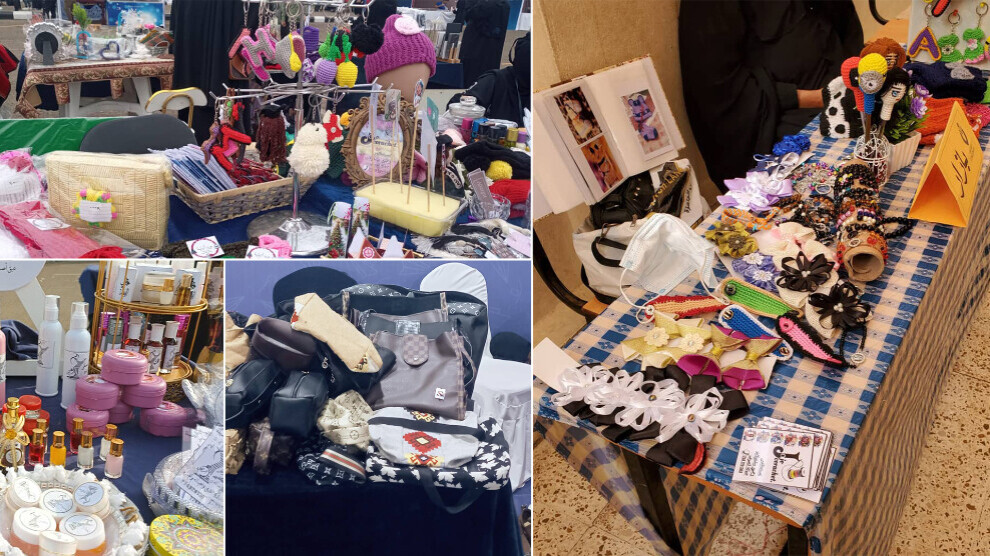
Behind every small project stands a woman who lost her support in the throes of conflict, only for her to take the initiative. The story is no longer just about making incense or sewing clothes; it is a story of a woman from Aden's resilience, who decided to face the high cost of living with the smile of the confident and the strength of the national product.
Dr. Manal Al-Dubaa, a professor of business administration, says: "Many women are heading to the labor market through small projects due to the political circumstances that have affected the economic situation, and consequently the social life, which has impacted the income and standard of living of family members. Women were thus compelled to establish their own projects to improve income and live a dignified life."
She explained: "Through women's hands, small projects have become more productive. Women have become the makers of these projects for the sake of their livelihood. They are now turning to these productive methods to secure a dignified life due to the economic conditions, exchange rate fluctuations, and the inflation that began over the past ten years, which has affected purchasing power."
Launching Projects
For her part, Dunya Koka, head of the Development Ambassadors Initiative, says: "Regarding the economy, the person most harmed is women, especially in light of the severe lack of services, electricity, and livelihood, which led women to achieve early economic recovery. This intervention greatly contributed to enabling women to overcome the idea of dependency on men and rely on themselves in the process of entering the commercial market arena."
She is joined in this view by Israa Al-Saqqaf, a business entrepreneurship trainer and consultant, who affirms that "due to the economic and currency deterioration, many women have turned to establishing their own projects and entered the labor market. Moreover, new projects have emerged from them in entrepreneurship and fields that reflect a positive image of women who own their own businesses."
She explained that entrepreneurial thinking among women in Aden governorate has spread noticeably, and a number of women have focused on it. There are many traditional and leadership projects. "This is evidence that there is an opportunity for women to be present in the commercial market, and to an even greater extent, through entrepreneurial ideas."
Despite this, she confirms that there are challenges facing project owners. "We understand the nature of our country and the deterioration in services, which has contributed to hindering many entrepreneurial and traditional projects. Additionally, the knowledge and experience of the project owner regarding her project have made her in need of training. However, hope still exists, and there are opportunities that must be seized. Most projects endure for a while but then collapse, and the secret to a project's success is to persist no matter what."
As for Mawahab Abdulrahman, she is the owner of the "Mimi for Diversity" project. She says: "I am a teacher, but I became involved in the labor market due to the economic conditions we are suffering from, as well as to help my family and because of the limited income. I started my project in 2015 and worked from a small stall at the Gulf Mall Center. The support initially came from my own personal effort. After that, there was support from organizations that helped me develop my project further, despite the deteriorating conditions in terms of currency devaluation and the economic hardships we are enduring. But I am trying to help my family overcome this crisis they are living through."
A Glimmer of Hope
Stories were born for which barriers and rubble were not an obstacle, but rather a motivation for their creation. Women have turned the ashes of crises into projects pulsating with life. Work is no longer just a means of living for women, but a declaration of a new resurrection from the heart of the rubble, transforming Aden from a city of conflict wounds into an incubator for women's dreams, driven by willpower before capital.