
“Women’s Solidarity and Self-Organization Reduce Rates of Violence and Femicide”
Women in workplaces are exposed to multiple forms of violence and abuse. Many emphasize that confronting these practices requires strengthening solidarity among women, alongside raising awareness within families and the broader social environment.
Helin Ahmed
Sulaymaniyah — The phenomenon of femicide has become one of the most dangerous social issues and a stain on the authority and patriarchal system. According to unofficial statistics, more than 53 women have been killed in the Kurdistan Region during 2025 alone.
According to data collected by our agency, on February 26, in a mysterious incident in the town of Khabat, a woman fell from the old bridge and lost her life. Eyewitnesses reported that an argument had occurred prior to the incident between the victim and a taxi passenger.
On February 3, a young woman was shot dead by her brother in the village of Tasluja in the district of Said Sadiq, in Sulaymaniyah province. The day before, a 35-year-old woman from Sulaymaniyah died after falling under mysterious circumstances into the Sirwan River in the Darbandikhan district of the same province.
On the first day of the same month, a young woman aged between 18 and 20 was transferred to the emergency hospital in Rania but had already passed away before arrival, according to doctors. A gunshot wound was found in her head.
During January alone, eight women lost their lives under mysterious circumstances or were killed. Some femicide cases are reportedly concealed and classified as accidental deaths or suicides. Cases of women being burned, or so-called “honor killings,” are also included within this framework. Violence against women in workplaces, in particular, continues to escalate steadily.
There is a pressing need for women to organize themselves to confront these violations. Activists are urged to expand dialogues and seminars beyond closed halls into cities and towns across Kurdistan to raise awareness among both women and families.
“Violence Is Practiced Against Women in Workplaces”
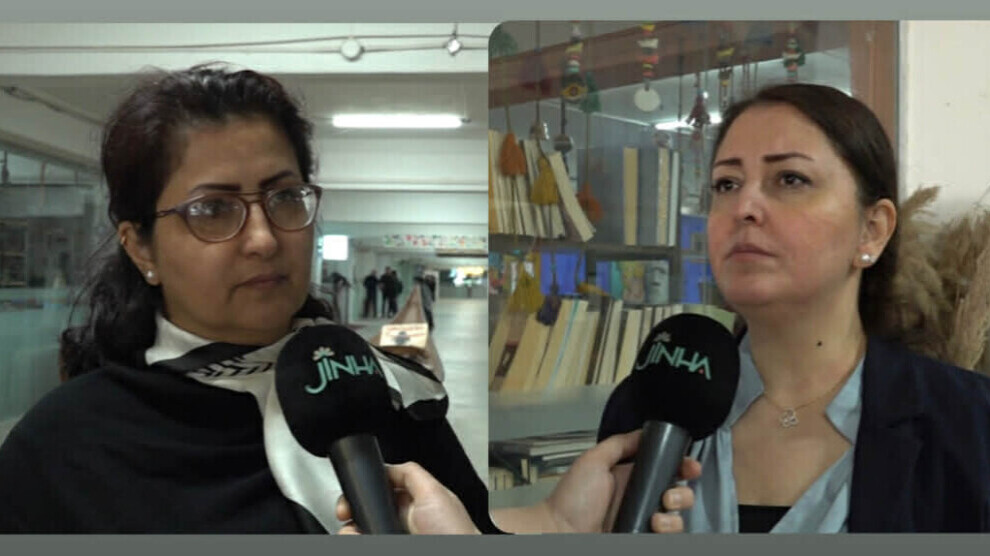
Journalist Sazyan Shahid Talab noted that violence has reached the level of murder, explaining that circulating figures indicate women’s security and lives are at risk. “Violence directed against women has gone beyond abuse to reach killing, while official statistics are not confirmed by the concerned authorities,” she said.
Based on information gathered through media outlets, femicide cases are steadily increasing and have become a factor threatening women’s social stability and security in the Kurdistan Region.
She added that violence against women takes multiple forms, including physical and psychological abuse. In workplaces, women face increasing harassment and violations daily. Violence manifests in harassment, psychological harm, and various other forms of assault, in addition to gender-based discrimination in work environments.
Many women choose silence in workplaces out of fear of losing their jobs. However, there is a need to enhance awareness so women raise their voices when exposed to any form of violence and immediately report incidents to relevant authorities, addressing them legally within workplace frameworks. She also stressed the importance of women being cautious when choosing workplaces and professional contacts.
“We Need Self-Administration to Enhance Individual Awareness”
Writer Avista Faiq stated that violence rates continue to rise and that levels of cultural awareness vary from one region to another, contributing to increasing femicide cases. Targeting women based on misguided ideas, she said, contradicts human values.
She explained that efforts such as roundtables, seminars, and meetings have been held to reduce femicide, but these activities often remain confined to closed spaces, whereas awareness must extend into families and communities.
She emphasized that Kurdish women have historically been known for courage and resilience, and that awareness and struggle must not decline at this stage. There is no justification for violence or killing, and such crimes cannot be excused under any pretext.
She pointed to the experience of women in Rojava, where women have continued the Kurdish struggle. Their heightened awareness has enabled them to demonstrate advanced levels of resistance. “In Rojava, women play an active role in administration and armed struggle in defense of themselves and their land within the framework of self-administration — a model not seen at the same level in other parts of Kurdistan,” she said.
Although women in the Kurdistan Region have participated in mountain struggles, their self-organization has not yet reached the desired level. She considered the image of the female fighter an honorable symbol for Kurds but noted that the influence of neighboring states — Turkish, Iranian, and Arab — in Kurdish areas has left negative repercussions on individuals and reinforced gender disparities between women and men.
Avista Faiq stressed the necessity of raising awareness through the education sector to build a generation more conscious of its rights. She called for moving activities beyond closed settings into families, cities, and towns across the Kurdistan Region, strengthening awareness of rights among women and families alike, and contributing to reducing violence through legal frameworks.