
Women Drive Change: Combating Violence, Promoting Equality
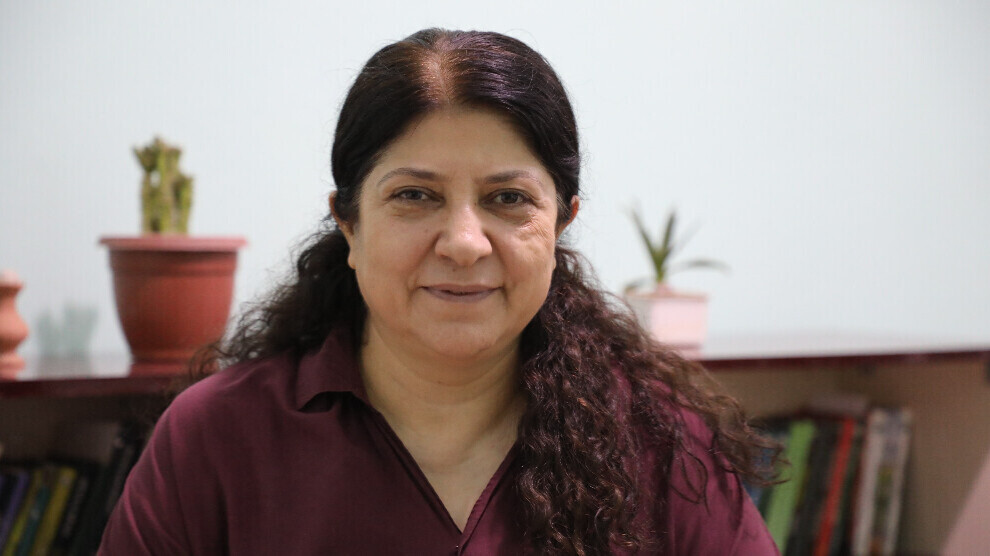
Article by STAR Conference Coordinator Alif Hamo
On November 25, the world stands in solidarity with women on a global day dedicated to combating violence against them. This day is not merely a temporal marker but a call to a long-standing history of struggle, where women throughout history have written pages of resistance and resilience against oppression and patriarchal mindsets. From the Mirabal sisters, who sacrificed their lives for freedom, to thousands of women carrying the banner of struggle, the commitment to continue the path toward a more just and equal society is renewed every year.
The United Nations’ designation of this global day in 1999 was not a momentary act but the result of a prolonged struggle across the ages. From Zenobia and Cleopatra to Joan of Arc, Al-Khansa, Huda Shaarawi, Maryam Khan, Laila Qassem, Sakina Jansiz, and Arin Mirkan, the image of women as leaders, resistors, and builders of more humane societies is evident. This historical continuum affirms that women’s freedom is not an individual matter but the foundation of freedom for society as a whole.
In North and East Syria, where the Rojava Revolution is known as the “Women’s Revolution,” this day holds even deeper meaning. November 25 is no longer a mere anniversary; it has become every day a struggle against systematic violence targeting women’s bodies, will, and rights. Women here fought against ISIS and resisted patriarchal mindsets, proving through their organization in communes and councils that resistance is not just a slogan but a daily practice reshaping society on the principles of freedom, democracy, and gender equality.
Violence against women is not an isolated event but a deeply rooted system embedded in social, political, economic, and cultural structures. Women face psychological, physical, economic, political, cultural, and digital violence, all systematically designed to exclude them from leadership roles. Yet in North and East Syria, violence has receded, and women have emerged as a force for change, organizing themselves, building institutions, and asserting their presence in decision-making centers through co-leadership and the Women’s Social Contract.
The philosophy of Abdullah Öcalan, “If women are not free, society will not be free,” is no longer just a statement but a revolutionary practice. Thanks to women’s studies (Jinology) and the organization of women’s movements, women’s struggle in North and East Syria has become a global inspiration, paving the way for building an ethical, political, and natural society based on justice and equality.
Today, as we honor the Mirabal sisters, we affirm that November 25 is not a passing day but an open call to every moment of our lives to oppose systematic violence. From North and East Syria, we send our message to the world: “No freedom without women’s freedom, no justice without gender equality.” Women’s struggle will remain at the forefront, and building a democratic society grounded in equality is the responsibility of women and their determination