
Women and Restrictions on Media
Restrictions on media increasingly threaten female journalists' freedom and their presence in the field.
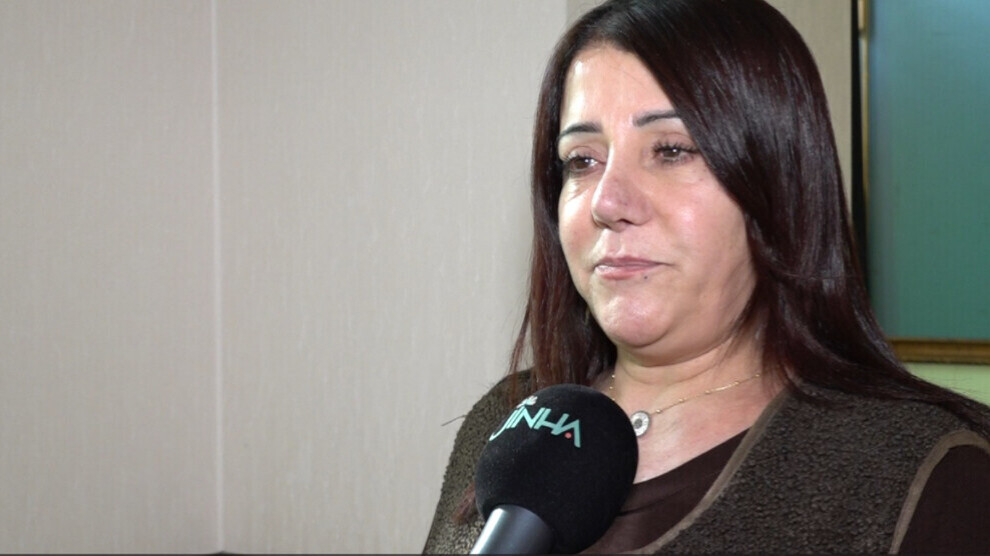
Hayfi Salah
Sulaymaniyah — Freedom of expression is the freedom that allows us all to express ourselves. It is the right to speak, to listen, and to participate in political, artistic, and social life. It also includes the "right to know," meaning the right to seek, receive, and share information through any media outlet.
Article 19 of the Universal Declaration of Human Rights of 1948 states that everyone has the right to freedom of opinion and expression. Freedom of expression is considered one of the main foundations for the functioning of the media and the democratic system, because the media cannot convey the truth without a free voice, and society is deprived of correct information in its absence.
In many places, journalists, both male and female, and media institutions face pressures, restrictions, stringent laws, or threats, which directly affects the level of freedom of expression.
If pressures and censorship represent one stage for men, they are double for women. Women working in media face two stages of pressure: first as journalists, and second as women. Electronic threats, abuses, attempts to silence them, and the lack of leadership opportunities all make women's voices less present in some media fields.
Women Face Greater Risks
At a time when freedom of expression and media independence are considered a fundamental standard for the progress of society, monitoring indicates that journalists, both male and female, still face restrictions and pressures. These pressures may be legal, financial, or political, and affect the freedom to work and transmit information. In these circumstances, women in media face greater risks, as many of them speak of threats via social media, pressure to exercise self-censorship, and problems related to security and safety.
Officials of media institutions believe that strengthening legal protection, providing psychological support, and ensuring equal opportunities can contribute to strengthening women's voices and protecting freedom of expression in general.
Specialists believe that a free media is not only protected by law but also needs a culture that accepts criticism, protection for journalists of both genders, and the existence of a fair judicial system, so that everyone's voice, especially women, can be heard without fear.
Women Who Possess Free Thought
Political activist Zara Ahmed says that freedom of expression exists in all fields, but the matter depends on the ability and will of individuals in how they express their opinions, and with what degree of courage and confidence they present their free ideas.
She added that "people are free to express themselves everywhere, but in places that belong to a specific party or a specific group, they cannot express themselves freely. For example, there are women in parliament and within political parties in the Kurdistan Region, but these women cannot put forward free opinions outside the framework of their party or contrary to the direction of their leadership. They are confined within a specific political mold, and cannot express themselves as independent women."
She explained that the women who can express themselves freely are the independents, those who possess free thought and an independent struggle. "These can always express their opinions freely, and no one can impose orders on them."
"If They Are in a Free Media, They Can Work Freely"
Zara Ahmed affirmed that the matter returns to the will of individuals and the extent of their adherence to their freedom. "Those who work in independent and free media institutions can work freely. But if the media institution is affiliated with a specific entity, they will not be able to perform their work or express their opinions freely."
If someone tries to deviate from the drawn line and express a different opinion, they may face, as she says, "obstacles, and perhaps violence, especially women and youth, or threats under the pretext that what they are doing is not considered legitimate media work." She concluded her remarks by affirming that "free and independent media works professionally, independently, and without bias."