
UN Warns of Worsening Malnutrition Among Children in North Darfur
UNICEF has warned of escalating malnutrition among children in North Darfur, Sudan, noting that a recent survey found over half of the children assessed in Um Baru locality suffer from severe malnutrition.
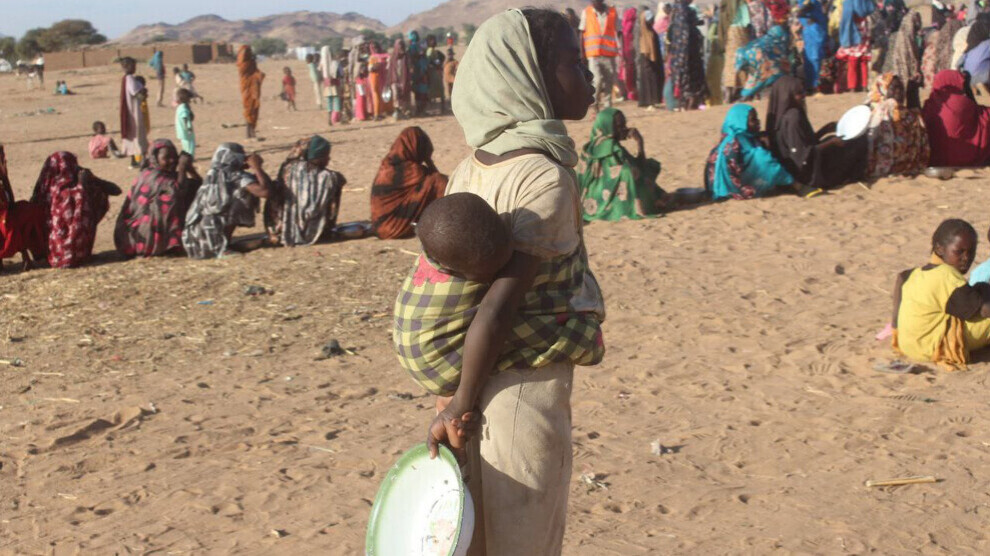
News Center — North Darfur is experiencing a critical worsening of malnutrition among children, with hundreds facing severe health deterioration due to food shortages, lack of medical care, disrupted basic services from ongoing fighting, widespread disease, weak immunity, and poor living conditions.
On Wednesday, December 31, UNICEF described the situation as unprecedented and dangerous, revealing that more than half of the children surveyed in Um Baru suffer from severe malnutrition, including life-threatening cases, amid ongoing conflict and severe restrictions on humanitarian aid access.
According to the survey conducted between December 19–23, one in six children suffers from severe and acute malnutrition—a critical condition that could be fatal within weeks without proper treatment.
The survey, which included around 500 children, found that the acute malnutrition rate reached 53 percent, with 18 percent suffering from severe acute malnutrition and 35 percent from moderate acute malnutrition. These rates are among the highest recorded in any unified nutrition survey globally and exceed the WHO emergency threshold of 15 percent by more than three times.
UNICEF Executive Director Catherine Russell emphasized that reaching such levels of severe acute malnutrition makes time a critical factor, stating that children in Um Baru "are fighting for survival and need immediate intervention." She added that each day without safe and unobstructed access to aid increases the risk of deterioration and preventable deaths. “Preliminary mortality rates have already reached emergency levels, reflecting the direct threat to children’s lives.”
The agency highlighted that many residents of the locality are recently displaced families fleeing fighting in El Fasher in late October, and many children have not been vaccinated against measles or other preventable diseases, placing them at particularly high risk.
The crisis in Sudan is exacerbated by growing insecurity, which significantly limits humanitarian access and delays life-saving assistance, while ongoing fighting disrupts efforts to expand essential humanitarian services, further endangering affected populations.
UNICEF noted that North Darfur remains the most affected region in Sudan’s malnutrition crisis, with around 85,000 children with severe acute malnutrition admitted to treatment centers in the state as of November. Despite storing life-saving supplies, including ready-to-use therapeutic foods, the scale of the crisis requires urgent comprehensive health and nutrition services.
UNICEF called on all parties to allow immediate, safe, and unhindered humanitarian access to ensure life-saving assistance reaches children and families trapped by conflict. The agency warned that without a predictable humanitarian ceasefire, aid workers cannot safely deliver food, clean water, medical care, or protection services, leaving children to bear the heaviest burden. It urged civil society and influential states to intensify diplomatic and political pressure urgently to secure and respect a humanitarian ceasefire.