
UN: Pregnant Women Face Harsh Conditions in Gaza
The UN says Gaza’s pregnant women and new mothers endure harsh conditions amid absent healthcare, food shortages, rising pregnancy loss, and unsafe environments.
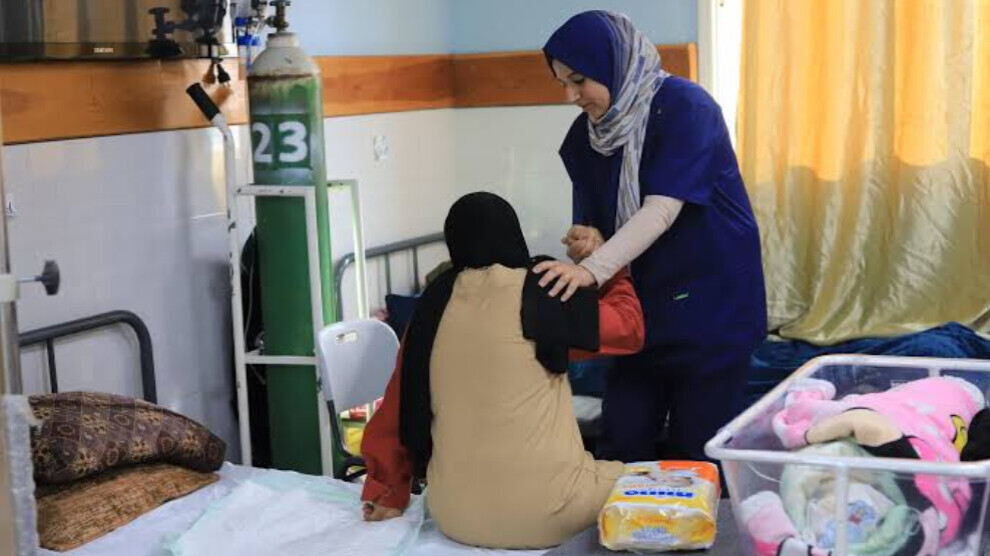
News Center — Pregnant women in Gaza lack the most basic necessities of life, amid the collapse of health services, food shortages, and deteriorating living infrastructure, which exacerbates risks to their lives and their children's lives and makes obtaining safe care extremely difficult.
The United Nations said today, Saturday, September 12, that pregnant women and new mothers in Gaza face difficult conditions at a time when healthcare, food, and the living conditions that a mother and her child need are unavailable.
It affirmed that about 180 children are born every day in Gaza, but access to healthcare during pregnancy and childbirth has become difficult for many women, noting that women after childbirth return to overcrowded tents, lacking sanitation and sufficient food, and find no safe and suitable place for themselves and their newborn children.
The organization noted that during the first six months of this year, about 4,000 cases of pregnancy loss were reported—more than three times the rate recorded during the previous six months—affirming that nearly one in three pregnancies is high‑risk, and more than half of pregnant women suffer from anemia. These conditions are also reflected in the mode of delivery: about half of all births are by cesarean section, and many occur in emergency situations.
The representative of the United Nations Population Fund in Palestine pointed out that displaced women live in a state of uncertainty and do not know whether they will be able to obtain medical assistance when they need it.
He explained that the organization continues to provide what support it can, including equipping health facilities, providing medicines, equipment, and supplies, and deploying health workers. He added that for mothers in Gaza, childbirth is not the end of a difficult journey, but the beginning of a new phase, in which the mother begins trying to care for her child amid conditions that still lack many essentials.