
UN Committee Calls on Iran to Withdraw “Countering Foreign Influence” Bill
A UN committee called on Iran to scrap the 'Countering Foreign Influence' bill, warning it may sentence journalists and activists to 30 years in prison.
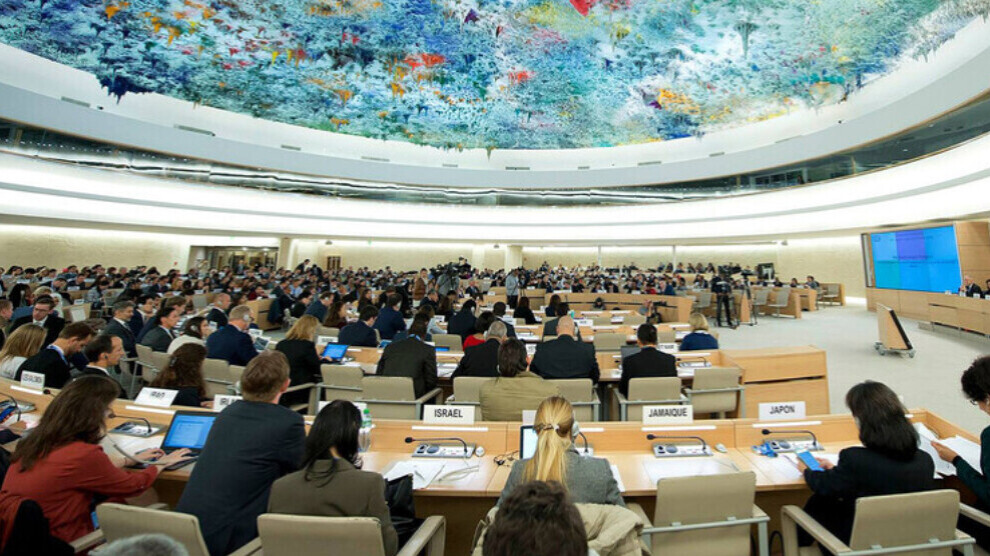
News Center_ The erosion of fundamental rights and the obstruction of international communication in Iran have become a focus of growing criticism, with warnings that new legislative academic work, amid a political climate moving toward further closure.
The UN Independent Internationl Fact-Finding Committee on the Islamic Repulic of Iran expressed concern over the “Countering Foreign Influence” bill, currently before parliament, and called on Iranian authorities to withdraw it immediately.
According to the committee, the bill could expose journalists, academics, and activists to penalties of up to 30 years in prison simply for their association with foreign individuals or entities.
The Fact‑Finding Committee warned that the plan's scope is overly broad, covering Iranians' relations with media, universities, civil society organizations, human rights defenders, and certain foreign governments. Committee Chair Sarah Hossein expressed concern over the "general criminalization" of Iranians' relations with the outside world.
Daily Activities Subject to Punishment
According to the bill's text, certain activities related to foreign individuals and entities must be registered in an electronic system and require a permit—a system in which security considerations of the Ministry of Intelligence and the Intelligence Organization of the Revolutionary Guard play a decisive role, according to the committee.
These restrictions include activities such as publishing books and articles, scientific and academic cooperation, communication with foreign media, managing newspapers and websites, participating in scientific courses and conferences, artistic festivals, and the production and display of artistic works. The regulations also cover economic, commercial, and financial activities, including money transfers and the provision of goods and services.
Viviana Cristevich, a member of the Truth and Reconciliation Committee, said that passing this law could limit Iranians' interaction with the outside world and undermine rights such as freedom of expression, access to and transmission of information, freedom of association, and the right to education, work, and cultural participation. The committee also affirmed that civil society members and victims of human rights violations have the right to cooperate with UN human rights mechanisms without fear of intimidation or retaliation.
Another committee member warned that criminalizing Iranians or residents of Iran for their association with the Fact‑Finding Committee could amount to retaliation and intimidation if passed, noting that the committee would monitor the situation and report relevant cases to the Human Rights Council.
Text of the "Countering Foreign Influence" Plan
The plan on "Countering the Influence of Foreign Intelligence Agencies, Governments, or Institutions" secured parliamentary approval in an open session, following review by the National Security and Foreign Policy Committee. However, it is still in the detailed study phase and has not yet become enforceable law. The published version of the draft law includes regulations governing forms of communication and cooperation between natural and legal persons with foreign entities, covering economic, scientific, academic, media, cultural, and artistic fields. It also provides for the establishment of an electronic system for registering, managing, and monitoring foreign communications, aimed at documenting certain forms of contact with foreign individuals and institutions.
Article 1 of the new version of the draft law states that activities and communications of natural and legal persons with foreign clients or individuals must be carried out within the framework of this law, and communications that, in the eyes of the law, violate independence, national unity, national sovereignty, weaken Iranian‑Islamic culture, or facilitate foreign influence and domination will be prohibited.
The draft provides for "strict criminal penalties" for certain acts classified within the framework of "influence." According to Article 1 of the initial version of the draft law, the penalty may reach "the first degree of imprisonment for a period of up to 30 years" in cases where such acts cause irreparable harm to security, independence, or other areas mentioned in the draft.
With continued "parliamentary review and amendment" of the draft's articles, the provisions in the published version remain subject to change, as the final wording may differ from the current text after legislative discussions are completed.