
“The New Kurdish Alliance Is the Fruit of Years of Struggle and Joint Work”
Jalawij Berawan of the Peshmerga highlighted that uniting Kurdish political forces in Eastern Kurdistan is historic, essential, and, as seen in Rojava, strengthens victory and political influence
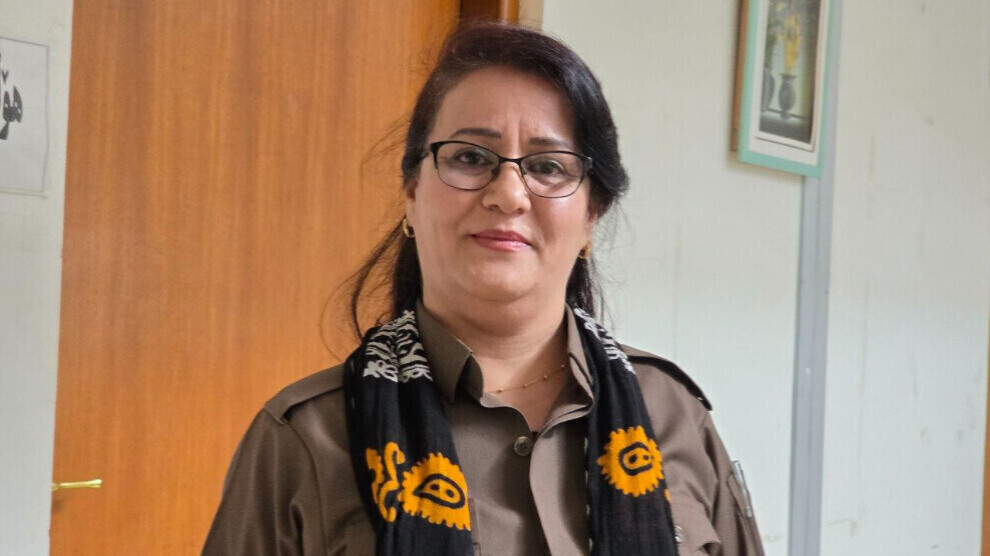
Shia Koyi
Koya_On March 2, five of the most prominent political parties in Eastern Kurdistan announced the formation of a new alliance aimed at unifying the struggle against the Iranian regime, seeking an agreement to address the fragmentation within opposition forces during this sensitive period.
The agreement among the five Kurdish political forces in Eastern Kurdistan on a common national project represents a significant development in the Kurdish political landscape. The parties involved_Kurdistan Free Life Party (PJAY), Kurdistan Free Party, Iranian Kurdistan Democratic Party, Iranian Kurdistan Struggle Organization, and the Kurdistan Worker’s Association have unified their visions within a single political framework for the first time.
This initiative will allow these parties to adopt a unified stance and vision in Eastern Kurdistan, providing an alternative in the region and Iran, so that Kurds will no longer struggle with scattered demands or lack coherent projects.
“The Fruit of Many Years of Struggle and Work”
The agreement of the five Kurdish forces in Eastern Kurdistan to form a joint political coalition has drawn comments from field leaders. Jalawij Berawan, a member of the Peshmerga forces and cadre in the Iranian Kurdistan Democratic Party, described the move as a significant turning point in Kurdish political action:
“Uniting the Kurdish ranks sends a clear message that Kurds remain steadfast in their rights despite the killings and executions they have faced.”
She emphasized that the unity of parties across the four parts of Kurdistan, especially in Eastern Kurdistan, is necessary at this stage. She described last week’s agreement between the five forces as the result of years of joint efforts
“The signing coincided with a wide-scale attack on Iran, putting Tehran in a sensitive position. The coalition remains open to other Kurdish parties and Iranian opposition groups to strengthen this political path.”
Berawan also highlighted the role of the “Women’s Revolution” in Iran, which has faced years of repression and regained momentum in Eastern Kurdistan after the killing of young Kurdish woman Jina Amini by Iranian security forces over alleged violations of compulsory hijab rules. She noted that the core issue was not the hijab itself, but Kurdish identity, stressing that the Iranian regime has consistently acted against Kurdish communities.
She underscored that the goal of Kurds in Eastern Kurdistan is to live freely and secure their rights
Women must struggle for their rights and freedom as individuals, and for the Kurdish revolution and struggle.”
“This Regime Must Go”
Berawan pointed out that the slogan “Jin Jiyan Azadî” raised at Jina Amini’s grave and later spread worldwide continues a long history of efforts to redefine Kurdish identity
“Throughout Kurdish history, many women activists have played prominent roles in the struggle. The current movement continues what Jina Amini started. This popular momentum reflects broad rejection of the Iranian regime, with some parts of the street celebrating what they see as the regime’s declining influence after the recent deaths of several officials.”
She reaffirmed the importance of Kurdish unity across all regions
“Previous experiences have shown that unity is a decisive factor in achieving gains, as seen when Kurdish forces united in Rojava,” highlighting the prominent role of women in the Kurdish movement