
Syriac Women:Intergration Requires Political and Legal Steps and Recognition of the Rights of All Components
Syriac women in Al-Hasakah city, in Rojava, stressed the necessity of protecting the cultural, linguistic, and political rights of all components, which will contribute to achieving peace in Syria.
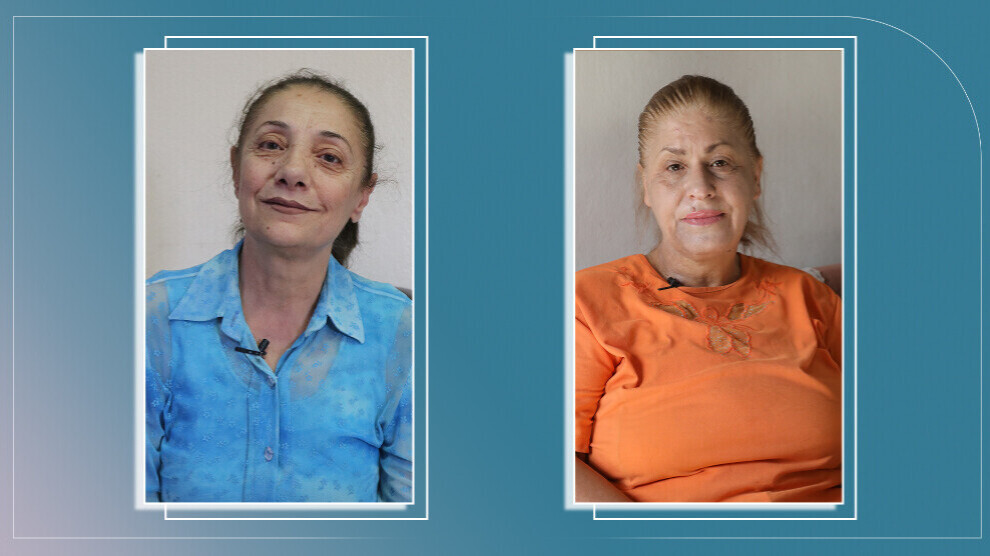
RUNAIDA Haji
AL-Hasakah_ The agreement of 29 January 2026, signed between the Syrian Democratic Forces and the interim government in Damascus, formed the basis for the integration process between the two parties, which aims to unify state institutions and bodies, enhance stability, and open the way for resolving political and rights-related problems through dialogue and participation, on the basis of citizenship and equal rights.
Many components live in Syrian cities, and their coexistence over the years has formed a mosaic reflecting the cultural and linguistic diversity and the pluralistic presence in the country.
On this matter, lawyer Rima Marshou, from the Syriac community of Hasakah city, explained that they view the integration process "positively" and hope it will become "the beginning of a safe and stable future for the region." She stressed the importance of reopening the institutions and bodies of the Syrian government, such as civil registry departments, passports and immigration, the courts, and the bar association, and the necessity of completing the integration of these institutions as soon as possible.
However, there are many challenges related to economic problems and daily life. Rima Marshou said that "the shortage of fuel and electricity and the rise in prices affect the lives of residents, and the Syrian interim government must address these problems seriously and in an organized manner. Hasakah is one of the regions rich in oil, wheat, and cotton, and it is a source of these resources. It is not right for the region to face a shortage of diesel and fuel."
"Linguistic and Cultural Rights"
She stressed the importance of protecting the linguistic and cultural rights of all components, noting that the integration process "must be built on respect for the cultures and languages of all peoples," and that "recognizing linguistic and cultural rights is a guarantee for all components."
She also proposed using Arabic, Kurdish, and Syriac in education, considering that each of these languages represents an important history and culture for the region. "No culture should cancel out another culture; rather, the basis of the process should be the sharing of cultures and a culture of unity."
Regarding the new Syrian constitution, lawyer Rima Marshou said that drafting the constitution must be through "a comprehensive process," and that every article in it must be read and discussed carefully. She stressed that "every Syrian citizen has the right to express their opinion on every article of the constitution, especially if that article does not guarantee their rights."
"Mutual Trust Is the Basis of the Integration Process"
Deputy Head of the Hasakah Council, Khatoun Issa, stressed that the integration process between the Autonomous Administration and the Syrian interim government can play an important role in protecting social peace. "Integration can be the beginning of building a new Syria in which all components participate together and their rights are safeguarded, without excluding any component from the process."
She stressed the importance of mutual trust, saying that the lack of trust between the different parties may lead to facing many obstacles. She called for protecting the rights of workers in the Autonomous Administration and state institutions, and for selecting them according to competence, experience, and work standards, without depriving any component of its rights.
Khatoun Issa stressed that integration should not be limited to cooperation between institutions, but needs political, social, and legal steps in order to build a sustainable process based on mutual trust.