
Sonita Alizadeh: A Voice of Rebellion Against Oppression Through Music
Sonita Alizadeh, a prominent women's rights activist, transformed music into a tool of resistance. Her life is a voice rising against the structural injustice faced by women.
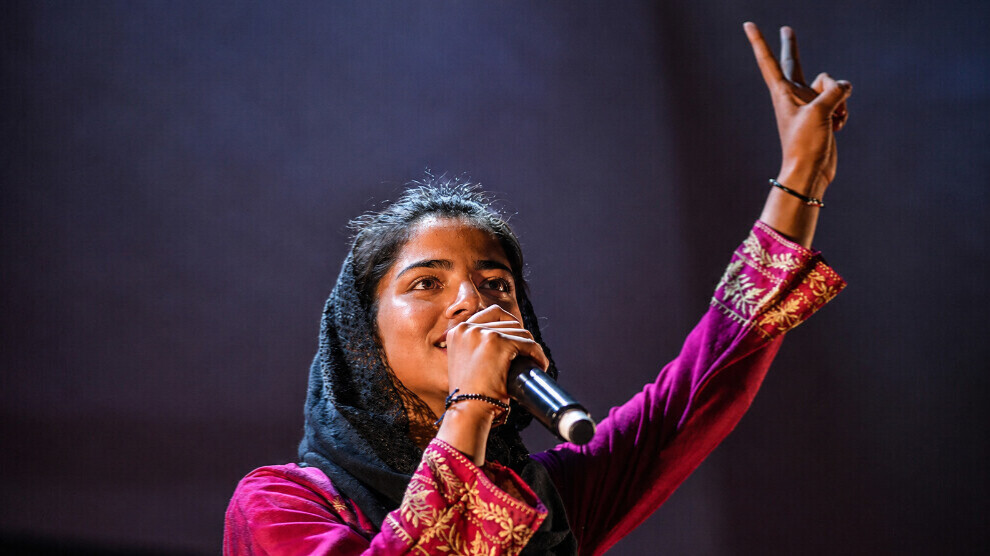
News Centre — Sonita Alizadeh was born in 1996 in Herat, Afghanistan. She spent her childhood under Taliban rule, amidst war and harsh conditions. Insecurity, poverty, and the lack of attention to basic rights were among the most important factors that made the beginnings of her life difficult.
Her family migrated to Iran hoping for a more stable life, but this new reality did not bring her the freedom she had been waiting for. Sonita, who lived in Iran as a refugee, was forced to live without official identity. Her right to education was denied, and in her teenage years she was compelled to work to help her family.
One of the most important turning points in Sonita Alizadeh's life was her forced marriage while she was still a child. At that time, she had not yet passed the age of ten. For the first time, she was faced with the reality of forced marriage, and then at sixteen she was married again. Her family was planning to sell her for a dowry. For her, this was not just an old tradition; it was at the same time a deprivation of her freedom.
During that period, music became for her a means of escape and resilience. After discovering rap music in Iran, the young woman began learning to write and perform rap. Instead of remaining silent before the injustice she was subjected to, she raised her voice. The strongest evidence of this decision was her song "Daughters for Sale." This song was not just the story of her life; it also revealed the reality of forced marriage experienced by millions of girls around the world.
The release of the song completely changed Sonita Alizadeh's life. The song quickly attracted global attention and reached a large number of viewers. This exposure was one of the most important reasons that helped her escape forced marriage.