
"Shrine of Silence"... a Syrian film documenting women's suffering and resilience in the face of oppression
The feature film "Shrine of Silence" premiered in Syria at Damascus Opera House, a humanitarian work monitoring Syrian women's suffering and war, detention, and asylum repercussions placing them in vulnerable conditions.
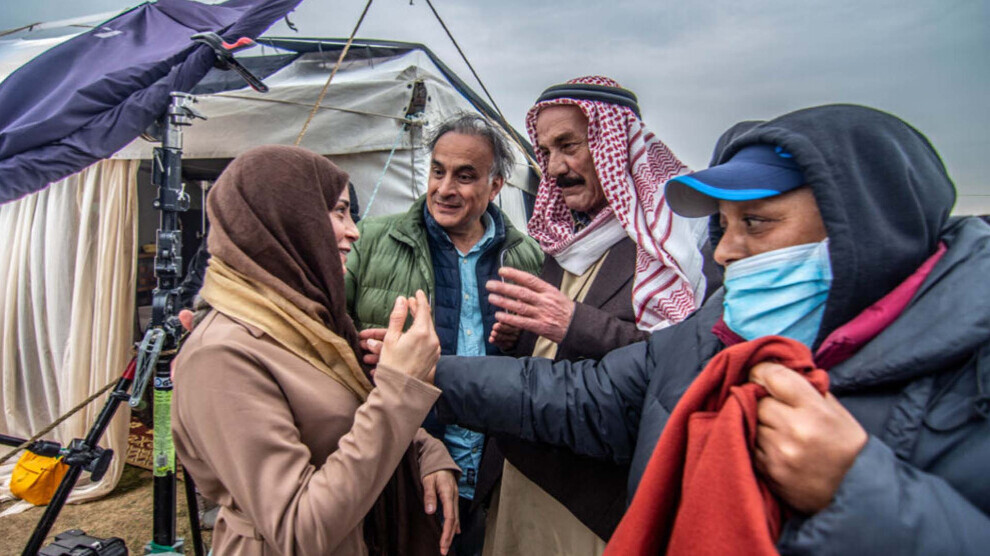
DAMASCUS — The Syrian feature film "Shrine of Silence" shed light on the suffering of women under war, detention, and exploitation, through the story of "Layla," who loses the ability to speak and is forced into a forced marriage, in a humanitarian work that sets out from Damascus to the Syrian governorates.
The Damascus Opera House theater hosted on the evening of yesterday, Monday, November 16, the first screening in Syria of the feature-length fiction film "Shrine of Silence," written and directed by Thaer Musa, in a cinematic work that places the suffering of Syrian women at the forefront of its story, shedding light on the deep psychological and social wounds left by war, detention, and asylum, and on the forms of oppression and exploitation that may pursue women even after surviving danger.
Over 103 minutes, the film presents a human story centered on the young woman Layla, whose journey begins amid harsh scenes of torture inside prisons, before events move to her being forced to flee with her mother from the hell of war, in search of safety in a country of asylum, where she faces a reality no less cruel than what she left behind.
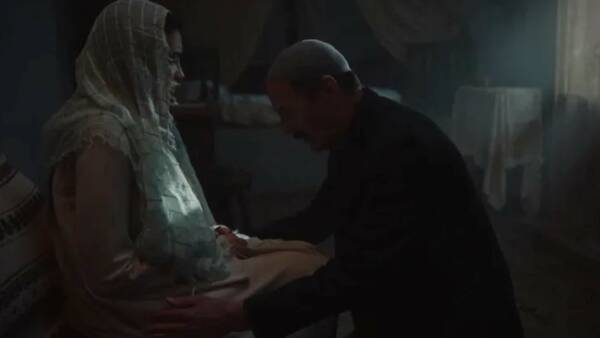
Layla's suffering worsens following the arrest of her brother, and she enters a state of psychological collapse that causes her to lose the ability to speak. Her life becomes a prisoner of fear, waiting, and hope to know his fate. Under these circumstances, she finds herself before an extremely harsh choice, as she is forced to accept marriage to an elderly man many years older than her, in exchange for a promise to save her brother, in a scene that reveals the scale of exploitation that women may be subjected to when they find themselves in conditions of vulnerability, need, and lack of options.
Silence... when a woman becomes a witness to injustice
Silence in the film goes beyond its direct meaning as the loss of the ability to speak, becoming a language that reflects Layla's psychological state, and a means of expressing rejection and protest against the injustice and the reality imposed on her. Through the protagonist's character, the work raises questions about the psychological and social pressures women face, and about their ability to retain their will in circumstances where options are besieged and fateful decisions become hostage to others.
As events escalate, Layla gains a symbolic status in her surroundings after undertaking a spiritual journey and attaching herself to one of the popular shrines, as the dramatic context weaves around her the image of a woman to whom exceptional abilities are attributed in healing the sick and helping women conceive. Through this transformation, the film addresses the presence of popular heritage and beliefs in society's life, and how they can turn into a space to which people resort in search of hope and reassurance in the face of pain.

Women facing violence and exploitation
The work affirms the importance of viewing women as rights holders with will, not merely victims of circumstances, and shedding light on their ability to persevere, recover their voice, their right to choose, and build a life that preserves their dignity and independence. Behind every woman's story that faced oppression, there is a voice that deserves to be heard, an experience that deserves to be told, and rights that should not be subject to bargaining.
The film's tour in Syria is scheduled to continue, as it will be screened in Aleppo governorate on November 20 of the current month at the Artists' Syndicate theater, and in Latakia on the 23rd of the same month at the Culture House theater.