
On March 8, KJK Calls for a Global Women’s Alliance to confront the patriarchal System
On International Women’s Day, the Kurdistan Women’s Community urged democratic women’s alliances and global struggle against patriarchy, stressing ongoing violence and the need for alternative models ensuring equality.
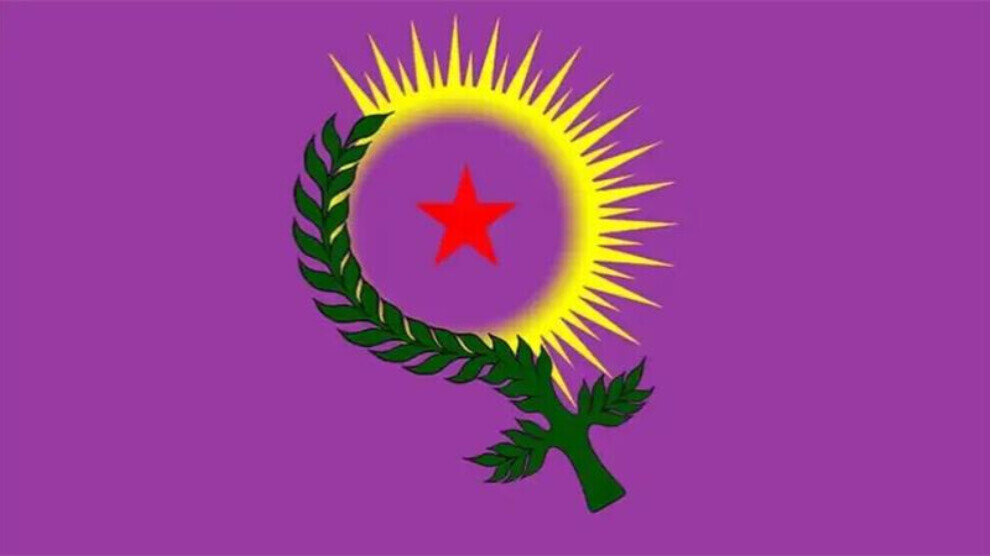
News Center — March 8 marks International Women’s Day, a global occasion when people around the world celebrate women’s struggles for freedom, equality, and justice, while highlighting the challenges they continue to face in different societies. The day also comes at a time of escalating global crises that increase women’s suffering and underscore the importance of cross-border feminist solidarity.
The Kurdistan Women’s Community (KJK) said in a statement issued on Sunday, March 8, that global crises, wars, and the rise of authoritarian tendencies have deeply affected women’s lives, stressing that the patriarchal capitalist system is built on the exploitation and subjugation of women.
The statement read: “As the Kurdistan Women’s Community, we extend our congratulations to all women of the world on International Women’s Day — a day that embodies women’s unity and their shared struggle for rights, freedom, and justice. We especially salute Kurdish women and all those who continue their struggle despite harsh conditions. We also commemorate with reverence the sacrifices of the women martyrs who gave their lives for freedom, and we honor the determination of women who, despite repression, violence, and massacres everywhere, have transformed spaces—from prisons to mountains, from streets to workplaces, fields, and homes—into arenas of resistance and the making of freedom.”
The statement noted that for more than forty years, the Kurdish women’s freedom movement has carried out a broad struggle to consolidate the idea of women’s liberation, strengthen women’s awareness and capacity for self-defense, ensure their free and equal participation in political and social life, and confront all forms of gender discrimination. It added that the movement has consistently shared its experiences and achievements with women around the world, believing that liberation can only be achieved through broad global solidarity.
According to the statement, the movement continues today with determination and enthusiasm within the global women’s liberation movement, striving to make the 21st century the era of a major feminist revolution and comprehensive women’s liberation.
Collapse of the Global System
The statement added that the world is entering 2026 amid rapid developments and a clear transition toward a fragmented multipolar international system following the collapse of the previous global order. It noted that populist leaders increasingly prioritize authoritarian interests over universal values, while hostile competition and power politics make the world less livable.
The statement argued that capitalism, patriarchy, and authoritarianism are intensifying crises and pushing the international system based on rights and rules toward the brink of collapse. It also referenced analyses suggesting that the practices of some leaders—including former U.S. President Donald Trump according to some observers—have contributed to deepening the crisis of the nation-state.
It raised a central question for women: how should this stage be understood and what stance should be taken toward it? The statement said it has become clear that the international system does not provide the protection it claims, but rather forms part of the crises affecting women. With the decline of the nation-state model, the structural crises it produced are increasingly exposed.
Time to Abandon Misconceptions
The statement pointed out that despite years of warnings from the planet, environmental destruction, genocide, and forced displacement continue in pursuit of greater wealth. It criticized governments for failing to impose sufficient restrictions on corporations or conclude necessary agreements to prevent environmental collapse.
It also argued that poverty, inequality, repression, authoritarianism, ecological crises, biodiversity loss, and the uncontrolled use of technology are all consequences of the capitalist system’s struggle to expand its spheres of influence. According to the statement, it is time to abandon the illusion that states serve the interests of peoples, asserting that the nation-state is a fundamental pillar of the capitalist system.
“The Real Perpetrator Is the System Itself”
The statement said patriarchal domination—characterized by authoritarianism, class divisions, militarism, and religious fundamentalism—has oppressed women for thousands of years. It added that recent scandals such as the Jeffrey Epstein case illustrate the involvement of powerful networks of money and authority in systematic abuses against women.
According to the statement, such cases are not isolated incidents but reflections of a patriarchal capitalist structure that reproduces violence. It argued that society is living in a decisive moment between freedom and barbarism, emphasizing that women’s freedom is not merely a theoretical demand but the foundation of all social freedoms.
“We Must Strengthen Our Own Struggle”
The Kurdistan Women’s Community stressed that women’s liberation requires a deep and radical struggle, urging women to break away from the mentality, culture, and tools of domination associated with existing power structures.
It called for developing an alternative model and building new institutions and cultures that protect women, society, nature, and life itself. The statement described the women’s movement as the longest and most widespread social movement in the world, capable of offering solutions to issues related to rights, the environment, childhood, health, and education.
The statement concluded by stressing that the rise in violence against women is closely linked to the global crisis and the patriarchal structure of capitalism. It called for linking different forms of violence—from mass rape in parts of Asia to sexual violence in the United States, femicides in Latin America, and kidnappings of women and girls in Africa and the Middle East—arguing that these phenomena are part of a global attempt to suppress the growing women’s movement.
The Kurdistan Women’s Community concluded that the patriarchal system has never faced a challenge of this magnitude before, and that conditions today may present a historic opportunity to achieve women’s freedom and launch a new feminist revolution—while also carrying significant risks.