
Sejnane Women Between Preserving Heritage and Ignored Rights… An Ancient Craft Facing Neglect
While the world celebrates International Women’s Day, Sejnane’s rural women say reality differs despite UNESCO recognition, pottery artisans still work in harsh conditions threatening their craft’s survival.
Zohour Al-Mashriqi
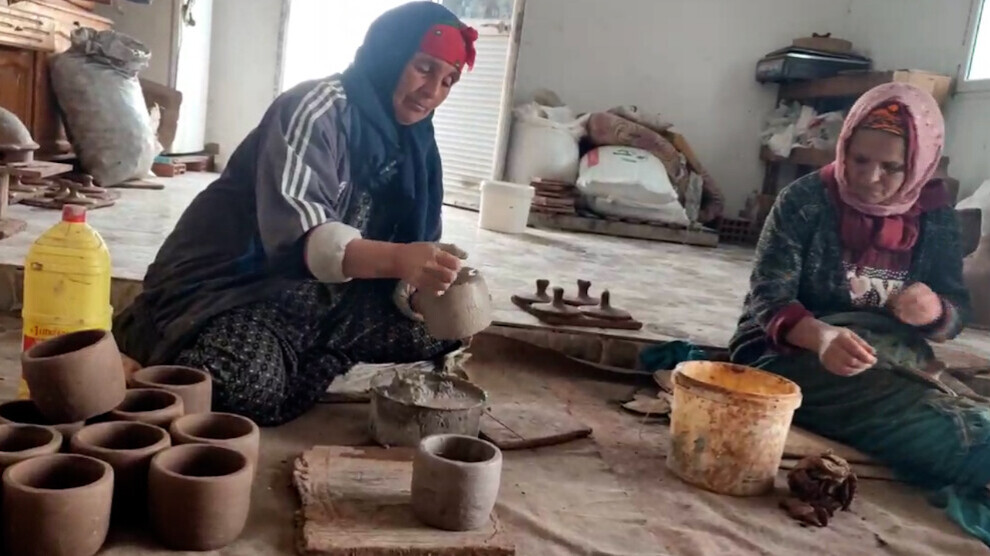
Tunisia-Although Tunisian women artisans working in pottery succeeded in bringing this ancient heritage to UNESCO’s list of Intangible Cultural Heritage, their social conditions remain difficult. Women in the rural areas of Sejnane work under harsh conditions without social security or health protection, amid weak marketing opportunities and insufficient support.
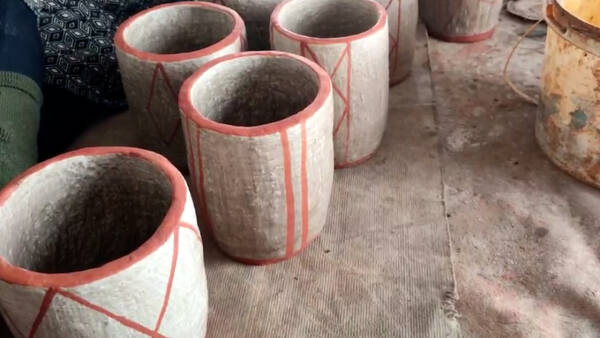
In the rural region of Sejnane in northern Tunisia, where mountains embrace the scent of history and nature preserves the memory of the place, women continue to produce clay pottery using traditional methods passed down from generation to generation. On these clay pieces they draw simple decorations and feminine faces locally known as the “Bride of Sejnane,” a symbol of heritage preserved by tired hands but now threatened with disappearance.
“We Are the Ones Who Brought This Heritage to International Recognition”
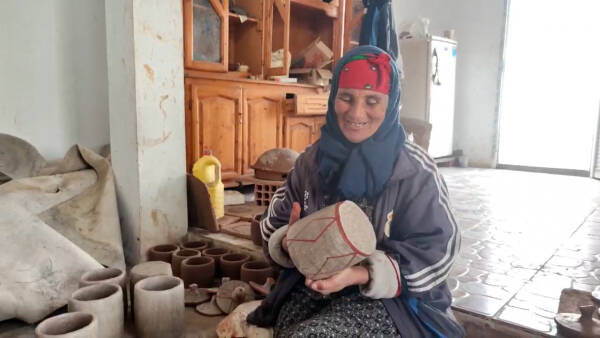
Sarah Saidan, a craftswoman living in the village of Al-Qatma in Sejnane, has been working with clay since childhood. She says with a smile while describing her relationship with the craft:
“I cannot imagine a day passing without touching clay… it is a love story that no one else can understand.”
She learned the craft from her grandmother and mother and never attended school. She adds, “Clay was my first school,” explaining that she works from her home producing pottery pieces that pass through seventeen stages before reaching their final form.
Sarah explains that the work begins with collecting clay from the mountains surrounding the village. The clay is then left to rest before being shaped by hand, a process that requires great patience and precision. She adds, “Even the clay has come to understand us.”
However, this craft, which carries a long history rooted in local memory, is not easy. Many artisans suffer health problems due to long working hours and constant bending, especially back pain and poor eyesight.
Sarah notes that the biggest problem remains weak marketing, as many artisans are forced to display their products along roadsides due to the lack of exhibitions. She says:
“Sometimes an entire month passes without selling a single piece, even though most of us live from this craft.”
She also criticizes the lack of communication with local authorities regarding exhibitions, confirming that many artisans are not informed about them or invited to participate. Moreover, exhibitions are often organized in the capital, forcing the artisans to travel from their village and rent temporary accommodation, which is expensive and difficult for women with limited resources.
She adds:
“We are the ones who brought this heritage to international recognition, and it is the government’s duty to support us and organize exhibitions that allow us to sell our products in better conditions.”
She also criticizes the requirement of obtaining the “Patente” (tax card) to participate in exhibitions, considering that this measure further worsens their economic situation amid weak sales.
She says:
“We have one exhibition a year, yet we are asked to pay the Patente. Does the government know that bringing clay from the mountains costs money, and that buying firewood and decoration tools also has a price?”
Sarah fears that if these conditions continue, younger generations will refuse to learn the craft.
“Our children see how hard we work and how difficult this job is, so we fear they will abandon it and the craft will disappear.”
She does not hide her bitterness when artisans are only mentioned during women-related occasions such as International Women’s Day.
“We work twelve months a year in heat and cold. Why does no one remember us except on one day?”
A Heritage That Tells the Story of Sejnane Women
Rabia Saidan, another clay artisan who supports her family through this profession, says she inherited not only the craft but also a history of women’s resilience in the region.
She explains:
“We learned from our grandmothers to love this craft and preserve it as it is, without machines and without any enhancements.”
She points out that artisans face major marketing difficulties, especially since many of them are illiterate and lack access to modern tools to promote their products.
She adds:
“We need someone to help us market and introduce our products.”
She confirms that working with clay is both physically and psychologically exhausting, but the women continue despite all the hardships.
“With these tired hands we brought Sejnane pottery to the Intangible Heritage list, yet we still live without social protection or clear recognition of our status as artisans.”
Despite the suffering, Rabia insists that the women will continue their work to preserve this heritage, which represents part of the region’s identity.
“This heritage tells the story of the women of Sejnane… and we will not let it disappear.”