
Salf-Care: Another Form of Struggle in Iran
Ongoing repression in Iran fuels despair and anger, threatening mental health. A psychologist warns this risks hopelessness, increasing the urgent need for self-care and stronger support networks.
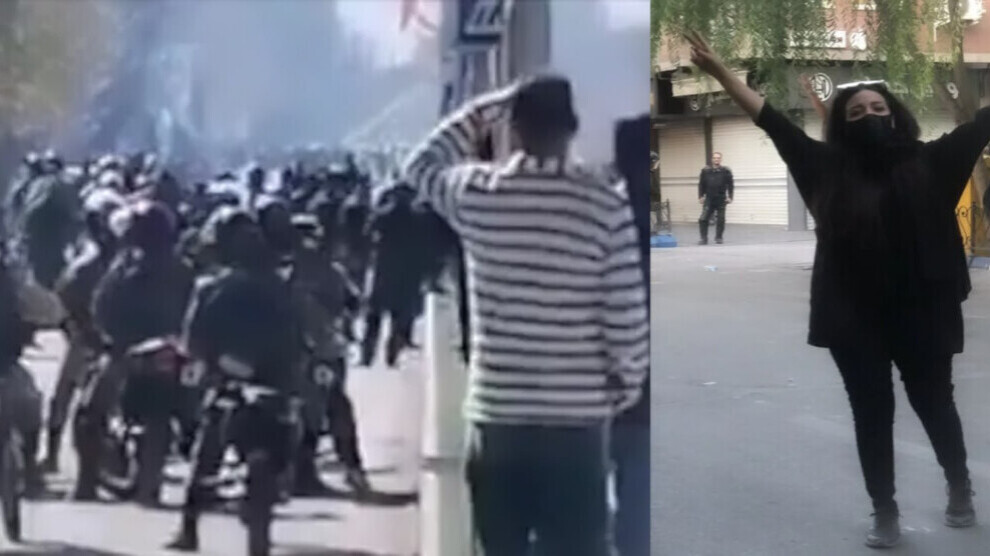
Urmia – In an environment where the system of repression aims to instill a sense of helplessness and collapse horizons of hope, self-care transcends the individual realm to become a collective responsibility, making it an integral part of the struggle against injustice.
Following the massacres that occurred in the winter of 2025 and the continuation of repression, Iranian society has been dominated by security and economic pressures, and collective grief, which has negatively impacted the psychological health of individuals. Some, under these circumstances, have felt helpless, despairing, and lost.
Regarding the reason for the increased risk of feeling deep despair during periods of political repression, clinical psychologist Elin M. says: "In such periods, one is not facing merely a personal problem, but also an atmosphere of chronic threat. When the possibility of freely expressing anger, protesting, or even mourning is limited, repressed emotions accumulate within the person. In Iran, this situation, coupled with economic pressures and a sense of helplessness, leads to a deep feeling of despair. Repressed despair and anger are among the most significant risk factors leading to the emergence of other thoughts.
"Ongoing Violence Is the Root of Current Trauma"
Regarding the most at-risk groups and the reasons behind it, she said: "Young people who see no clear vision for the future, individuals who have gone through similar traumatic experiences, those suffering from the effects of recent violence—such as families of victims and political prisoners—and people who lack a strong support network are among the most vulnerable. It can be said that ongoing violence is the root of current trauma. Sometimes this violence is so profound that we often hear from our clients that they feel guilty simply for being alive. On the other hand, humans are beings that need to anticipate events, and this tendency toward anticipation has been called into question from all sides; the situation is ambiguous for many."
She pointed out the most important self-care strategies: "Psychology cannot be a prescription for improving every situation. In such circumstances, it is incumbent upon each of us to enhance self-care and support groups. The most important strategy is to create 'small support networks' among trusted friends. Unwritten agreements to monitor each other's psychological state daily, to listen without judging repressed anger, and to establish emergency communication protocols in moments of dark thoughts form a strong barrier against the isolation that leads to despair. Because deep, despairing thoughts cause tunnel vision, as if the person will never be able to get out of this tunnel—but there is always a way out. Additionally, managing 'secondary trauma' by avoiding repeated viewing of violent images is essential to prevent exhausting the nervous system and maintaining psychological strength. Of course, this does mean avoiding news entirely."
In conclusion, it must be remembered that survival, caring for mental health, and strengthening human bonds under such circumstances is in itself the greatest form of protest. Because the ultimate goal of any repression is the physical or psychological elimination of protesters, and remaining in the arena of life will lead to the failure of this strategy.