
Human rights criticism of the new divorce law in Afghanistan
The new divorce law enacted by the Taliban movement in Afghanistan has drawn criticism from human rights organizations, which affirm that it makes it difficult for girls who were married at an early age or forcibly to end their marriafes.
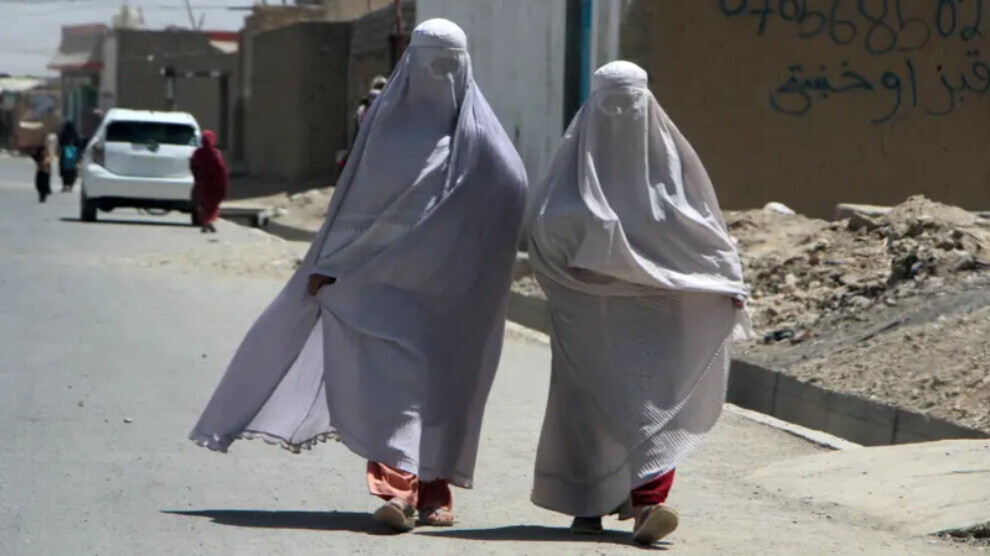
News Center – the new laws imposed by the Taliban movement on women and girls, especially those related to divorce and marriage, constitute a flagrant violation of their fundamental rights and reinforce a discriminatiory approach that exacerbates their daily suffering.
The new divorce law adopted by the Taliban in Afghanistan has faced widespread criticism from human rights organizations, which believe that the new regulation significantly restricts the ability of girls who were married at an early age or forcibly to end their marriafes, Several media platrorms, including Rukhshana Media, Gandhara, Zan Times, Kabul Now, as well as the UN Assistance Mission in Afghanistan (UNAMA), have addressed the human rights implications of this legislation.
According to reports from Rukhshana Media and local sources, the regulation, issued on May 14 under the title "Separation of Spouses through Judicial Means," states that a girl who was married by her family is not entitled to request the annulment of the marriage before reaching the age of puberty. Moreover, silence upon reaching that age is considered implicit consent to the continuation of the marriage.
Women's rights organizations believe that this regulation gives legal legitimacy to child marriage and forced marriage, in a context of a sharp decline in the rights of women and girls since the Taliban's return to power. According to one Afghan activist, the movement seeks to integrate child marriage into the official legal framework after a series of decrees that have restricted women's rights in education and work.
In a statement, Kabul Now considered that the regulation represents a "new attack" on the rights of women and girls and reinforces patterns of systematic discrimination in the country. Human rights organizations point to a notable increase in early and forced marriage rates, especially after girls were deprived of education, where unofficial estimates show that a large proportion of forcibly married women are under the age of 18.
Research conducted by the Afghanistan Human Rights Center also reveals that girls who marry at an early age face high levels of domestic violence and severe psychological problems. In this context, more than one hundred human rights and feminist organizations have called for the immediate withdrawal of the law, considering that it weakens legal protection for women and children and legitimizes practices that violate fundamental human rights.