
Rights groups demand comprehensive reform of Morocco’s anti-violence law protections.
The meeting organized by the “Rights and Justice” Association in Casablanca highlighted the gaps that Morocco’s law on combating violence against women still fails to address, seven years after its implementation.
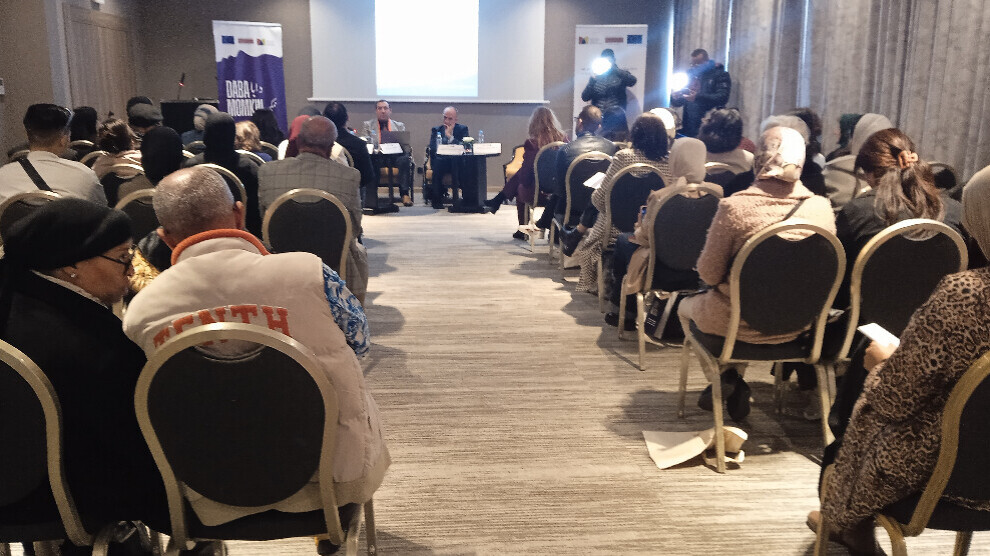
Morocco – Calls for Comprehensive Reform of the Law Combating Violence Against Women
Participants agreed that the current Moroccan law on combating violence against women does not keep pace with emerging forms of violence, such as marital rape, digital and political violence, as well as issues like unsafe abortion and child marriage. These legal gaps leave many women outside the scope of protection.
Seven years after the law’s implementation, experts and human rights defenders emphasize its limitations in addressing modern forms of violence. It does not cover marital rape, nor does it recognize political or digital violence. This lack creates protection gaps and fuels calls for revision and expansion to align with international standards for comprehensive women’s rights protection.
Yesterday, Thursday, December 4, a rights-focused meeting was organized in Casablanca by the “Rights and Justice” Association under the slogan: “For Real Change to Confront Violence Against Women and Girls, and for an Effective and Comprehensive Law that Protects Them”. The event included civil society activists and specialists in gender issues.
The meeting took place amid the 16 Days of Activism Against Gender-Based Violence campaign and ongoing national debates on evaluating Law 103.13 on combating violence against women, enacted in 2018 as Morocco’s first comprehensive legal framework in this field. Calls continue to update it to match social transformations and international standards.
During the meeting, participants highlighted several issues still not adequately addressed or criminalized by the current law. Among the main issues: unsafe abortion, where the absence of a legal text specifying exceptions forces many women to resort to clandestine abortions, endangering their lives; child marriage, considered a form of exploitation with no clear deterrence mechanisms; and inheritance denial, leaving women facing multiple obstacles in succession procedures.
Other concerns raised included harassment and stalking in public spaces, which remain uncriminalized despite their frequent occurrence, and political violence against women. Some elected women face defamation and pressure during electoral campaigns with no effective protection mechanisms, discouraging female political participation.
Participants also pointed out that public policies in recent years have not systematically addressed the needs of women survivors of violence, particularly in facilitating access to justice and social protection. The current support system remains fragile due to unclear budgets for implementing the law, weak institutional coordination, and limited ongoing gender-focused training.
Some interventions noted that the 2018 law was integrated into a criminal system dating back to the 1960s, creating multiple implementation contradictions. Economic violence remains one of the most impactful forms of abuse, with insufficient protective mechanisms.
“The Law Combating Violence Suffers from Fundamental Flaws”
Amal Al-Amin, Project Coordinator at the Rights and Justice Association, stated that the meeting aimed to present a report based on studies and field experiences assessing the reality of violence against women and the effectiveness of the current legal framework.
She emphasized that the law still suffers from fundamental flaws in both text and implementation. Marital rape and digital violence, despite increasing cases, remain outside the law’s clear definitions, resulting in inconsistent judicial handling.
Al-Amin added that the law has not kept pace with social and technological developments, which have created new forms of violence. Implementing protective measures faces obstacles due to weak institutional coordination and limited services for women victims. The association calls for a comprehensive review of Law 103.13 and a reassessment of the criminal code to align with Morocco’s international obligations on combating gender-based violence.
She noted that the Istanbul Convention provides a comprehensive international reference framework, offering clear guidelines for criminalization, prevention, and protection. It also calls for integrated public policies to reduce violence against women and girls. Reforming legislation is no longer optional but an urgent necessity to ensure women’s security and dignity, enabling them effective and fair access to justice and protection.